Introduction
Roasted sunflower seeds, Helianthus annuus, represent a significant commodity within the global snack food industry. As an export product, their quality and consistency are paramount for maintaining market share and adhering to stringent international food safety regulations. This guide details the technical aspects of producing and exporting high-quality roasted sunflower seeds, addressing critical parameters throughout the processing chain, from raw material sourcing to final packaging. The technical position within the supply chain involves agricultural production, post-harvest processing (cleaning, dehulling, drying), roasting, flavoring, quality control, packaging, and finally, international logistics. Core performance characteristics impacting export viability include moisture content, oil content, peroxide value (indicating rancidity), aflatoxin levels, foreign material content, and adherence to defined roast profiles. A key industry pain point centers around maintaining consistent quality across varied harvests and mitigating the risk of mycotoxin contamination, especially aflatoxins, which can severely restrict market access.
Material Science & Manufacturing
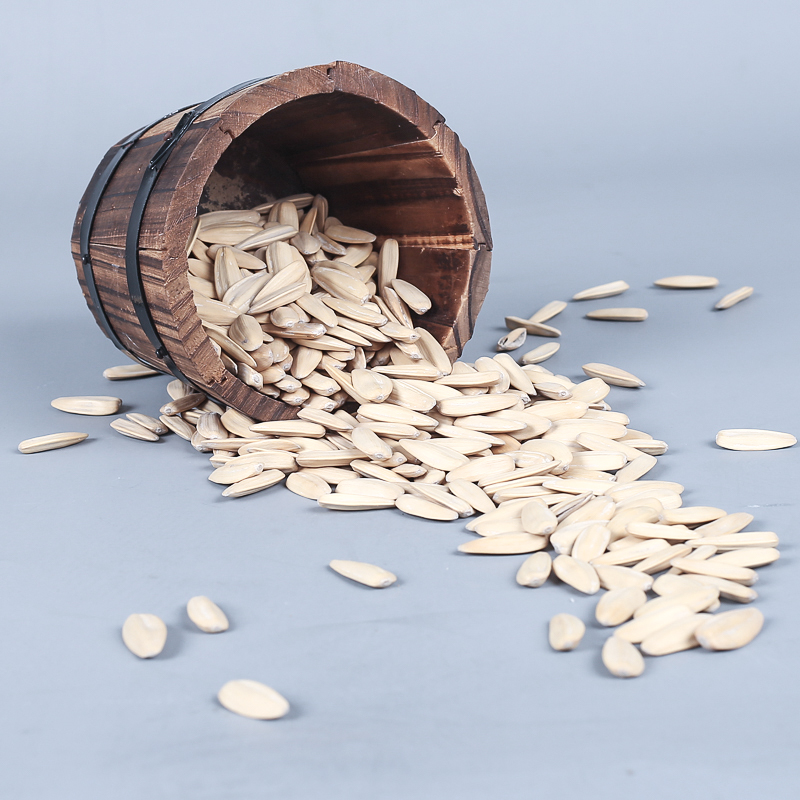
The primary raw material, sunflower seeds, consists of a hull (approximately 20-50% of the seed weight), kernel (containing approximately 50-65% oil), and embryo. Kernel oil composition comprises linoleic acid (around 60%), oleic acid (around 20-40%), and palmitic acid (around 4-8%). Moisture content of raw seeds significantly influences processability; optimal ranges are typically 8-12%. Manufacturing begins with cleaning to remove debris, followed by dehulling, a mechanical process that requires precise calibration to minimize kernel damage. Drying is crucial to reduce moisture content to 6-8% for optimal roasting. Roasting, typically conducted at temperatures between 120-160°C, induces Maillard reactions, generating desirable flavor compounds. Critical parameters include roasting time, temperature profile, and seed bed depth. Flavoring involves applying dry or liquid seasonings, requiring uniform distribution and adherence. Packaging utilizes materials that provide barrier protection against oxygen, moisture, and light to preserve product freshness and prevent rancidity. Parameter control is achieved through continuous monitoring of temperature, humidity, and roasting time, alongside regular kernel moisture and oil content analysis. The integrity of the hull (for in-shell varieties) is also a critical parameter, as cracked hulls accelerate oxidation.
Performance & Engineering
Performance is dictated by the interplay of several engineering principles. Heat transfer during roasting is governed by conduction, convection, and radiation. Optimizing airflow within the roaster ensures uniform heating and prevents localized scorching. The mechanical strength of the seed kernel is critical during dehulling and handling; excessive force leads to kernel breakage. Environmental resistance, specifically moisture and oxygen permeability of packaging, directly impacts shelf life and product quality. Compliance requirements involve adherence to food safety standards (HACCP, GMP), mycotoxin regulations (EU Regulation 1881/2006, US FDA standards), and packaging regulations (migration limits for packaging materials). Functional implementation focuses on maintaining consistent roasting profiles to achieve targeted flavor characteristics. Roast color, measured using a colorimeter (Lab values), serves as a key quality control parameter. Force analysis of the kernel during cracking (determining hull strength) is crucial for optimizing dehulling efficiency. Shelf life is extended through the use of modified atmosphere packaging (MAP) employing nitrogen flushing to reduce oxygen levels.
Technical Specifications
| Parameter | Unit | Specification (In-Shell) | Specification (Kernel) |
|---|---|---|---|
| Moisture Content | % | ≤ 8.0 | ≤ 6.0 |
| Oil Content (on dry basis) | % | - | ≥ 48.0 |
| Foreign Matter | % | ≤ 1.0 | ≤ 0.5 |
| Damaged Kernels | % | ≤ 3.0 | ≤ 2.0 |
| Aflatoxin B1 | ppb | ≤ 2.0 | ≤ 2.0 |
| Peroxide Value | meq O2/kg | ≤ 5.0 | ≤ 5.0 |
Failure Mode & Maintenance
Failure modes in roasted sunflower seeds can be categorized into several types. Rancidity develops due to lipid oxidation, resulting in off-flavors. This is accelerated by exposure to oxygen, light, and elevated temperatures. Aflatoxin contamination is a critical concern, originating from fungal growth on raw seeds during storage. Kernel cracking during processing reduces product quality and increases susceptibility to oxidation. Husk damage (for in-shell products) compromises barrier protection. Flavor degradation occurs over time due to volatile compound loss. Maintenance strategies include strict raw material sourcing procedures (screening for aflatoxins), optimized storage conditions (low temperature, low humidity), effective sealing of packaging, and regular quality control testing. Preventative maintenance of roasting equipment (temperature sensors, airflow systems) is essential for consistent roast profiles. Implementing a robust HACCP plan addresses potential hazards at each stage of the process. Regular cleaning and sanitation of processing equipment minimize microbial contamination. Periodic inspection of packaging materials for integrity (seal strength, barrier properties) is also crucial.
Industry FAQ
Q: What are the key differences between sunflower seed varieties concerning roasting performance?
A: Sunflower seed varieties differ significantly in oil content, kernel size, and hull thickness. High-oleic varieties exhibit greater oxidative stability during roasting and storage, reducing rancidity. Larger kernels generally roast more evenly. Thicker hulls require more robust dehulling equipment and may result in a higher percentage of broken kernels if not optimized.
Q: How does roasting temperature influence the formation of acrylamide in roasted sunflower seeds?
A: Acrylamide formation is temperature-dependent, peaking at around 140-160°C. Lower roasting temperatures and shorter roasting times minimize acrylamide formation, but may compromise flavor development. Careful control of roasting parameters and selection of low-acrylamide-forming varieties are essential.
Q: What packaging materials are most effective at preventing rancidity and maintaining flavor?
A: Multi-layer films incorporating aluminum foil or metallized polyester provide excellent barrier protection against oxygen and light. Modified atmosphere packaging (MAP) with nitrogen flushing further extends shelf life by displacing oxygen. The choice of packaging material depends on the target shelf life and cost considerations.
Q: What are the acceptable levels of aflatoxins in roasted sunflower seeds for export to the European Union?
A: EU Regulation 1881/2006 sets the maximum permissible level for total aflatoxins at 2.0 ppb (parts per billion). Exceeding this limit renders the product unfit for import.
Q: How can we accurately monitor and control moisture content throughout the process?
A: Regular moisture analysis using a calibrated moisture analyzer is essential. Measurements should be taken at each stage: raw seeds, after dehulling, after drying, and before packaging. Maintaining proper ventilation and temperature control during storage also helps prevent moisture regain.
Conclusion
The successful export of roasted sunflower seeds hinges on meticulous attention to detail across the entire production chain. From selecting appropriate seed varieties to optimizing roasting parameters and employing effective packaging solutions, each stage demands precise control and adherence to international quality standards. The persistent threat of mycotoxin contamination, particularly aflatoxins, necessitates robust preventative measures and continuous monitoring.
Future advancements will likely focus on improved seed breeding for enhanced oil stability and reduced acrylamide formation, the development of more sustainable packaging materials, and the implementation of real-time monitoring systems for critical parameters like moisture content and aflatoxin levels. Investing in these areas will not only enhance product quality but also strengthen market competitiveness and ensure long-term viability in the global snack food industry.
