Introduction
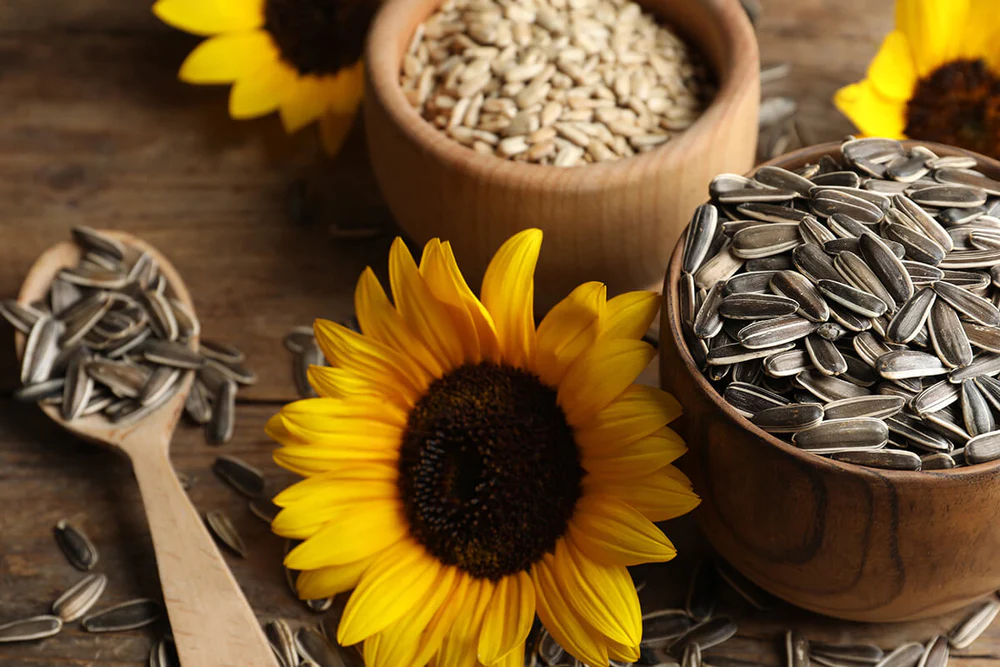
Roast sunflower seeds are a processed food product derived from the seeds of the Helianthus annuus plant. Positioned within the snack food industry, they represent a significant portion of the seed-based snack market. The process involves cleaning, dehulling, roasting, flavoring, and packaging of the seeds. Core performance characteristics center around palatability – encompassing flavor, texture (crispness), and mouthfeel – alongside nutritional value (primarily fat and protein content), and importantly, food safety criteria concerning aflatoxin levels and microbiological contamination. The industry currently faces pressures relating to consistent kernel size, optimized roasting profiles for maximizing flavor development, and ensuring stringent quality control throughout the supply chain. This guide provides a comprehensive technical overview of roast sunflower seed production, encompassing material science, manufacturing processes, performance attributes, potential failure modes, and relevant industry standards.
Material Science & Manufacturing
The primary raw material, sunflower seeds, comprises a hull (pericarp) roughly 30-40% of the total seed weight, and a kernel containing approximately 50-65% oil, 20-25% protein, and 5-10% carbohydrates. Kernel oil composition primarily consists of linoleic acid (a polyunsaturated omega-6 fatty acid), oleic acid (a monounsaturated fatty acid), and palmitic acid (a saturated fatty acid). The hull is composed largely of cellulose and lignin, providing structural integrity but being largely indigestible. Manufacturing begins with cleaning and grading the raw seeds to remove foreign matter and categorize them by size and quality. Dehulling is a critical step, often utilizing mechanical abrasion and aspiration to separate the kernel from the hull. Roasting, typically conducted in rotary or fluid bed roasters at temperatures ranging from 120-180°C (248-356°F), is responsible for flavor development via Maillard reactions and caramelization of carbohydrates. Roasting parameters – temperature, time, and airflow – are meticulously controlled to achieve the desired color, texture, and flavor profile. Following roasting, seeds are often seasoned with salt, spices, or other flavorings. Critical parameter control involves maintaining consistent moisture content (typically 2-5% post-roasting) to ensure crispness and prevent microbial growth. Packaging utilizes materials with barrier properties to minimize oxygen and moisture ingress, preserving product quality and extending shelf life. Key equipment includes seed cleaners, dehullers, roasters, seasoning drums, and packaging machines. Proper calibration and maintenance of these machines are essential for uniform product quality.
Performance & Engineering
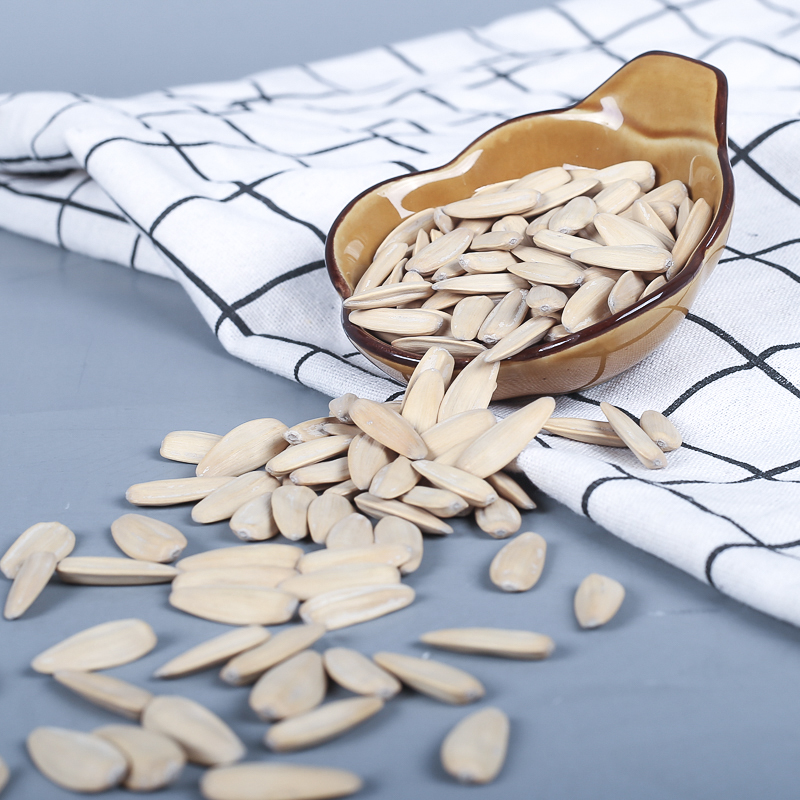
Performance evaluation of roast sunflower seeds hinges on several key attributes. Shear force analysis is used to quantify kernel crispness; higher shear force indicates a more brittle and desirable texture. Moisture content directly impacts crispness, with deviations from the optimal range leading to either sogginess or excessive hardness. Oil absorption, influenced by roasting temperature and time, affects mouthfeel and flavor release. Aflatoxin levels, produced by Aspergillus flavus and Aspergillus parasiticus fungi, are a critical safety parameter, demanding stringent control throughout the production process. Environmental resistance, primarily focusing on moisture and oxygen permeability of the packaging, determines shelf life. Packaging materials must exhibit low oxygen transmission rates (OTR) and water vapor transmission rates (WVTR) to prevent rancidity and maintain crispness. Compliance requirements involve adherence to food safety regulations set by organizations like the FDA (USA) and EFSA (Europe). Engineering considerations focus on optimizing roasting profiles to maximize flavor development while minimizing acrylamide formation, a potentially harmful compound. Furthermore, minimizing kernel breakage during dehulling and roasting is crucial for maximizing yield and reducing waste. Proper ventilation and temperature control within roasting equipment are also critical for ensuring uniform roasting and preventing localized overheating.
Technical Specifications
| Parameter | Unit | Typical Value | Acceptable Range |
|---|---|---|---|
| Moisture Content | % | 3.5 | 2.0 - 5.0 |
| Oil Content | % | 50 | 45 - 55 |
| Aflatoxin Level (B1) | ppb | <2 | <4 |
| Kernel Hardness (Shear Force) | N | 8 | 6 - 10 |
| Kernel Size (Diameter) | mm | 8-10 | 6-12 |
| Salt Content | % | 1.5 | 1.0 - 2.0 |
Failure Mode & Maintenance
Common failure modes in roast sunflower seeds include rancidity (oxidative degradation of oils, leading to off-flavors), loss of crispness (due to moisture absorption), and kernel breakage. Rancidity is accelerated by exposure to oxygen, light, and elevated temperatures. Preventative measures include using packaging with high barrier properties, storing seeds in cool, dark conditions, and incorporating antioxidants into the seasoning blend. Loss of crispness occurs when seeds absorb moisture from the environment. Proper packaging and storage are critical, as is maintaining low moisture content during roasting. Kernel breakage during processing can result from improper equipment settings (e.g., excessive impact force during dehulling) or inherent seed fragility. Maintenance of processing equipment is paramount. Regular inspection and replacement of worn parts in dehullers and roasters prevent excessive impact and friction. Cleaning of roasting chambers prevents buildup of carbon deposits, which can contribute to uneven heating and off-flavors. Preventative maintenance schedules should include lubrication of moving parts, calibration of temperature sensors, and inspection of belts and rollers. Periodic analysis of seed oil composition helps monitor oil quality and identify potential rancidity issues. Regular aflatoxin testing is crucial for ensuring food safety compliance.
Industry FAQ
Q: What are the key factors influencing aflatoxin contamination in sunflower seeds?
A: Aflatoxin contamination is primarily influenced by pre-harvest conditions (drought stress, insect damage), post-harvest handling practices (delayed drying, improper storage), and seed variety susceptibility. Maintaining proper drying protocols, effective pest control, and sourcing seeds from reputable suppliers with established quality control systems are crucial mitigation strategies.
Q: How does roasting temperature affect acrylamide formation?
A: Higher roasting temperatures and longer roasting times generally lead to increased acrylamide formation. Optimization of roasting profiles, specifically minimizing peak temperatures and controlling roasting time, is essential for reducing acrylamide levels while preserving desirable flavor characteristics. The addition of asparaginase to the seeds before roasting can also reduce acrylamide formation.
Q: What packaging materials provide the best barrier properties for roasted sunflower seeds?
A: Multi-layer films incorporating aluminum foil or metallized polyester offer excellent barrier properties against oxygen and moisture. High-density polyethylene (HDPE) or polypropylene (PP) are commonly used as outer layers for structural integrity. The specific material selection depends on cost considerations and desired shelf life.
Q: What is the impact of kernel size variation on processing efficiency?
A: Significant kernel size variation can lead to uneven roasting, inconsistent texture, and increased breakage during dehulling. Grading seeds by size before roasting improves process control and product uniformity. Investing in dehulling equipment designed to handle a wider range of kernel sizes can also mitigate this issue.
Q: How is the crispness of roasted sunflower seeds objectively measured?
A: Crispness is typically assessed using texture analysis, specifically measuring the shear force required to fracture a kernel. A three-point bend test or a compression test can also provide valuable data. Sensory evaluation, involving trained panelists, complements instrumental measurements for a comprehensive assessment of texture.
Conclusion
Roast sunflower seed production is a complex process requiring precise control of material science principles and manufacturing parameters. Maintaining optimal moisture content, controlling roasting profiles, and implementing robust packaging solutions are critical for ensuring product quality, safety, and shelf life. The industry’s ongoing challenges center around minimizing aflatoxin contamination, reducing acrylamide formation, and optimizing processing efficiency while maintaining palatability.
Future development will likely focus on advanced roasting technologies offering precise temperature control and reduced energy consumption, coupled with the development of seed varieties with increased resistance to aflatoxin contamination and improved oil stability. Furthermore, the increasing demand for healthier snack options may drive innovation in flavoring and seasoning formulations, prioritizing natural ingredients and reduced sodium content.
