Introduction
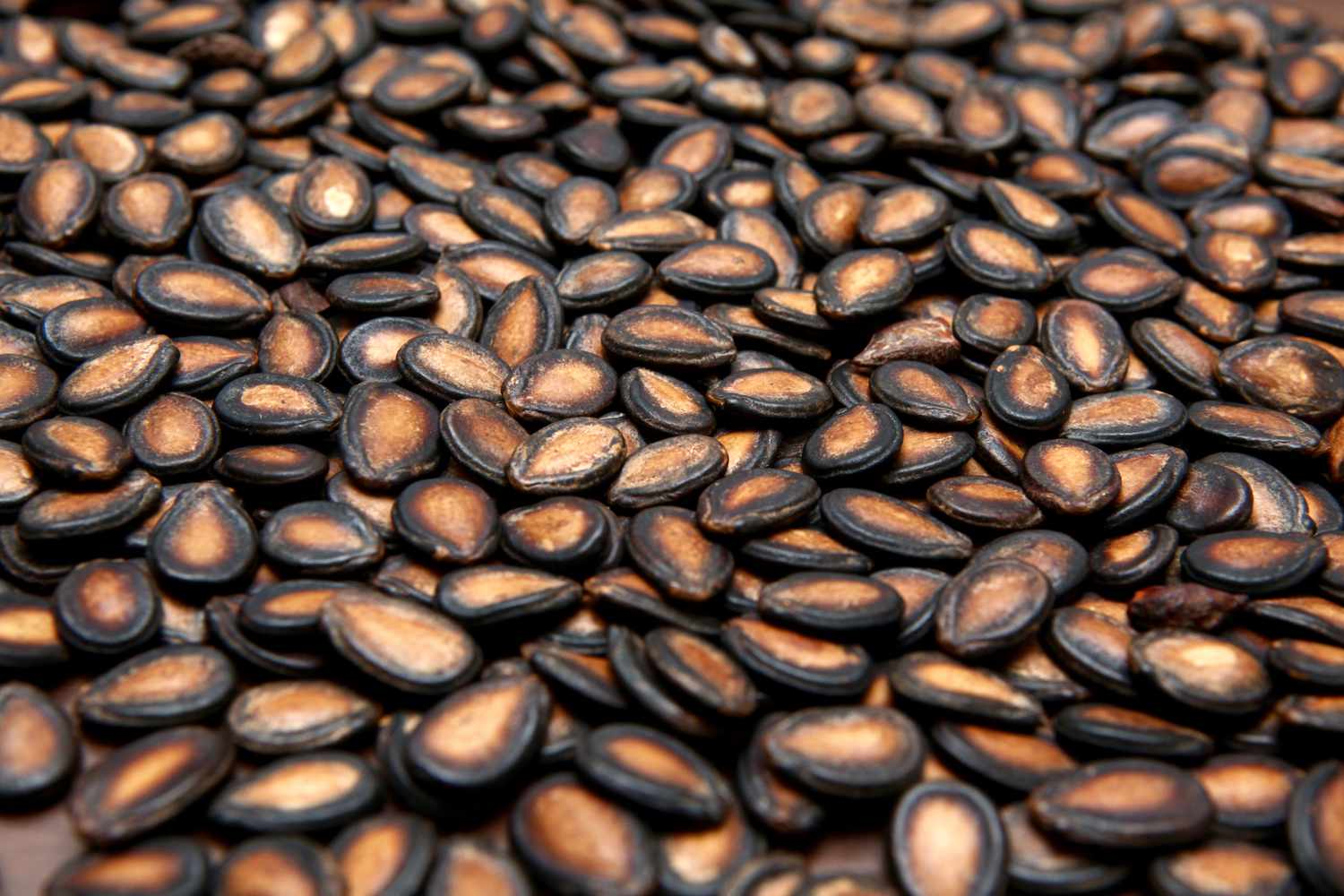
Roast sunflower seeds represent a significant segment within the snack food industry, experiencing consistent demand globally. The manufacturing process, while seemingly simple, involves a complex interplay of agricultural sourcing, seed quality control, roasting technology, flavoring application, and packaging considerations. This guide provides an in-depth technical overview for manufacturers of roast sunflower seeds, covering material science, processing parameters, performance criteria, potential failure modes, and relevant industry standards. The core performance characteristics defining product quality include kernel integrity (minimizing broken kernels and hulls), roast uniformity (consistent color and texture), moisture content (influencing shelf life and texture), flavor adhesion and stability, and absence of foreign materials. A key industry pain point is maintaining consistent product quality across large-scale production runs while optimizing yield and minimizing waste. Controlling acrylamide formation during roasting, ensuring palatability, and meeting stringent food safety regulations are also critical challenges for manufacturers.
Material Science & Manufacturing
The primary raw material, sunflower seeds ( Helianthus annuus), exhibits considerable compositional variability depending on cultivar, growing conditions, and harvesting practices. Kernels are composed of approximately 35-50% oil (primarily linoleic acid, an omega-6 fatty acid), 20-30% protein, 15-20% carbohydrate (primarily cellulose and hemicellulose in the hull), and 5-10% moisture. Hull composition is largely lignocellulosic. The manufacturing process begins with seed cleaning and grading to remove foreign materials (stems, leaves, stones) and segregate seeds by size and density. Roasting is the core process, typically conducted in rotary or fluid bed roasters using hot air. Critical parameters include roasting temperature (140-180°C), roasting time (20-40 minutes), and air velocity. Temperature control is paramount; excessive temperatures lead to acrylamide formation and rancidity, while insufficient temperatures result in under-roasted seeds. Following roasting, seeds are often seasoned with salt and other flavorings, applied via a tumbling drum or spray coating. Flavor adhesion is influenced by seed surface moisture and the viscosity of the coating solution. Finally, seeds are packaged in airtight containers (typically multi-layer films) to maintain freshness and prevent moisture absorption. Controlling the water activity (aw) of the final product is vital to inhibit microbial growth and lipid oxidation. Seed variety significantly impacts oil content and flavor profile. High-oleic sunflower seeds are preferred due to their increased oxidative stability and longer shelf life.
Performance & Engineering
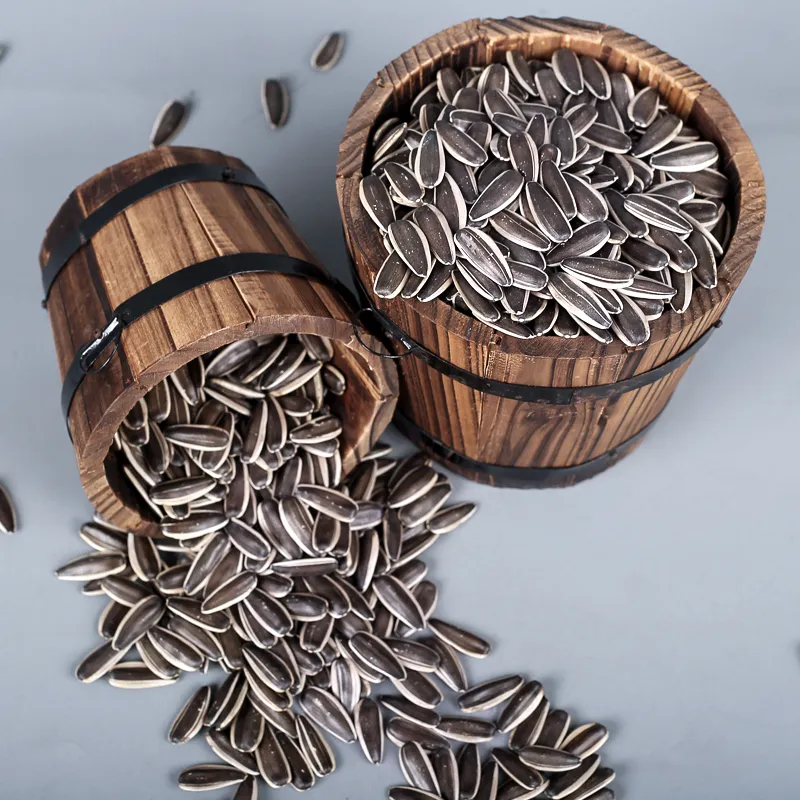
The engineering considerations for roast sunflower seed production focus on heat transfer, mass transfer (moisture removal), and material handling. Roaster design impacts the uniformity of roasting. Rotary roasters offer good mixing but can exhibit temperature gradients. Fluid bed roasters provide more uniform heating but require precise airflow control. Finite element analysis (FEA) can be employed to optimize roaster geometry and airflow patterns. Kernel breakage during roasting and handling is a significant concern, impacting product yield and appearance. Minimizing impact forces and optimizing seed flow paths are crucial. Post-roast cooling is essential to halt the roasting process and prevent condensation within packaging. Cooling rates must be controlled to avoid thermal shock and kernel cracking. Flavor adhesion and distribution are influenced by surface tension and seed morphology. Coating formulations must be carefully designed to ensure uniform coverage and prevent flavor loss during storage. Packaging materials must provide a robust barrier against oxygen, moisture, and light to maintain product quality and prevent rancidity. Shelf-life testing, including accelerated aging studies, is essential to determine the product’s expiration date. Compliance with food safety regulations (e.g., HACCP, GMP) is paramount, requiring stringent control of process parameters and hygiene standards.
Technical Specifications
| Parameter | Specification | Test Method | Criticality |
|---|---|---|---|
| Moisture Content | ≤ 6.0% | Oven Drying (AOAC 925.10) | High |
| Oil Content | 48-54% | Soxhlet Extraction (AOAC 920.39) | High |
| Broken Kernels & Hulls | ≤ 5.0% | Visual Inspection/Sieving | Medium |
| Acrylamide Content | ≤ 150 ppb | GC-MS (Gas Chromatography-Mass Spectrometry) | High |
| Peroxide Value (PV) | ≤ 5.0 meq O2/kg | Titration (AOCS Cd 8-53) | Medium |
| Water Activity (aw) | ≤ 0.65 | Water Activity Meter | High |
Failure Mode & Maintenance
Common failure modes in roast sunflower seeds include rancidity (due to lipid oxidation), acrylamide formation (during roasting), kernel breakage (during processing), flavor loss (due to volatilization or migration), and microbial contamination (due to inadequate hygiene or moisture control). Rancidity is accelerated by exposure to oxygen, light, and heat. Implementing antioxidant packaging and controlling storage temperatures can mitigate this. Acrylamide formation is dependent on roasting temperature and seed composition; optimizing roasting profiles and using low-asparagine sunflower varieties can reduce levels. Kernel breakage can be minimized by optimizing roaster speed, reducing impact forces, and controlling seed moisture content. Flavor loss can be prevented by using flavor encapsulations and employing airtight packaging. Microbial contamination requires strict adherence to GMP and HACCP principles. Preventive maintenance of roasting equipment is critical, including regular cleaning of roasters, inspection of heating elements, and calibration of temperature sensors. Regular monitoring of process parameters (temperature, time, airflow) and product quality attributes (moisture content, oil content, acrylamide levels) is essential for early detection of potential problems. A robust quality control system, including statistical process control (SPC), is vital for maintaining consistent product quality.
Industry FAQ
Q: What is the optimal roasting profile to minimize acrylamide formation while maintaining palatability?
A: The optimal roasting profile involves a balance between temperature and time. Lower roasting temperatures (140-160°C) for longer durations generally result in lower acrylamide levels, but can lead to under-roasted seeds. A two-stage roasting process – a lower temperature initial stage for moisture removal followed by a higher temperature finishing stage – can be effective. Seed variety (selecting low-asparagine cultivars) and proper cooling are also critical.
Q: How can we improve flavor adhesion to the sunflower seeds?
A: Improving flavor adhesion involves optimizing the coating solution viscosity, ensuring uniform seed surface moisture, and utilizing appropriate application techniques. Adding a binder (e.g., modified starch, gum arabic) to the coating solution can enhance adhesion. Using a fine spray mist during coating application ensures even coverage. Lightly misting the seeds with water prior to coating can also improve adhesion.
Q: What packaging materials provide the best barrier properties to maintain freshness?
A: Multi-layer films incorporating aluminum foil or metallized polyester offer excellent barrier properties against oxygen, moisture, and light. High-barrier plastics (e.g., EVOH) can also be used. The choice of packaging material depends on the desired shelf life and cost considerations. Vacuum packaging or modified atmosphere packaging (MAP) can further extend shelf life.
Q: How do you control kernel breakage during the roasting process?
A: Kernel breakage can be minimized by optimizing roaster speed, ensuring gentle seed handling, controlling seed moisture content (seeds that are too dry are more brittle), and carefully monitoring roaster temperature. Regular inspection and maintenance of the roaster's internal components (e.g., paddles, flights) are also important.
Q: What quality control tests are essential for ensuring product safety and consistency?
A: Essential quality control tests include moisture content analysis, oil content determination, broken kernel and hull assessment, acrylamide testing, peroxide value measurement (to assess rancidity), water activity measurement, and microbial analysis. Regular calibration of analytical instruments and adherence to standardized testing methods are crucial.
Conclusion
The production of high-quality roast sunflower seeds demands a comprehensive understanding of material science, processing technology, and quality control principles. Optimizing the roasting process to balance palatability with acrylamide mitigation, ensuring robust flavor adhesion, and utilizing appropriate packaging materials are critical for success. Addressing the industry pain points surrounding consistent quality, yield optimization, and regulatory compliance requires a data-driven approach and a commitment to continuous improvement.
Future advancements in sunflower seed processing will likely focus on novel roasting technologies (e.g., microwave roasting, infrared roasting), innovative flavor encapsulation techniques, and the development of sustainable packaging materials. Implementing real-time process monitoring and control systems will enable manufacturers to optimize production efficiency and minimize waste. Investing in research and development to identify sunflower varieties with improved oil profiles and reduced asparagine content will further enhance product quality and safety.
