
Introduction
Roast sunflower seeds represent a significant segment within the snack food industry, demanding precise manufacturing processes to ensure optimal palatability, safety, and shelf life. This guide provides a comprehensive technical overview for manufacturers, encompassing material science, production techniques, performance characteristics, potential failure modes, and relevant industry standards. The industry currently faces challenges related to maintaining consistent kernel quality, minimizing acrylamide formation during roasting, ensuring effective seasoning adhesion, and meeting increasingly stringent food safety regulations. This document addresses these core pain points, offering detailed technical insights for optimizing production and ensuring product integrity. Sunflower seeds (Helianthus annuus) are sourced, processed, roasted, and seasoned, requiring a multi-stage approach with critical control points at each stage. The technical position of a roast sunflower seed manufacturer lies at the intersection of agricultural processing, food chemistry, and packaging technology.
Material Science & Manufacturing
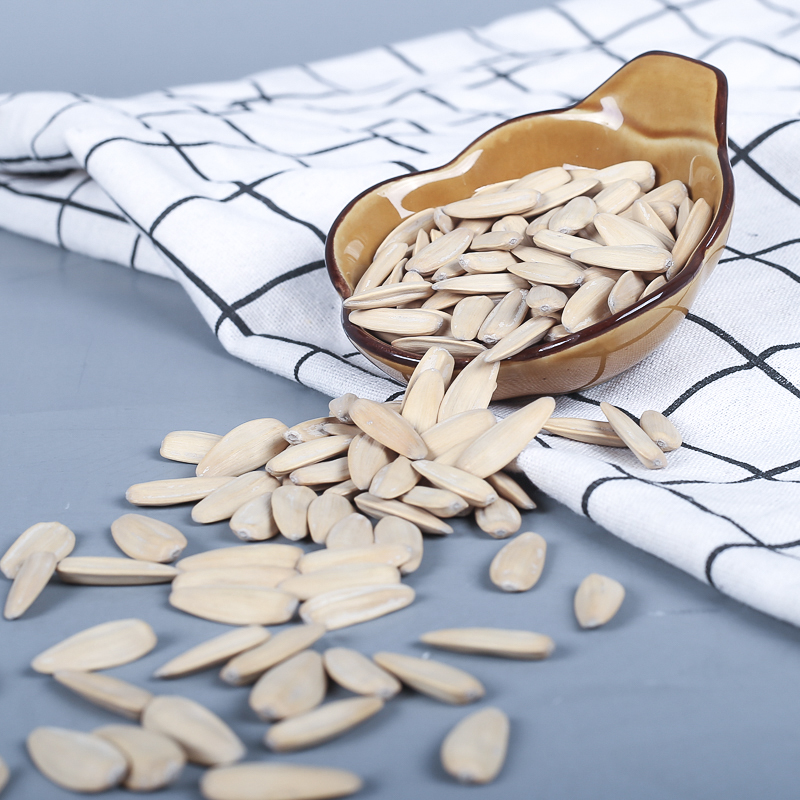
The primary raw material, sunflower kernels, are composed of approximately 30-40% oil, 20-30% protein, 15-25% carbohydrates, and 5-10% moisture. The fatty acid profile predominantly consists of linoleic acid (omega-6) and oleic acid (omega-9), influencing the seed's oxidative stability and flavor development. Kernel size and density vary considerably based on cultivar and growing conditions. Manufacturing begins with dehulling, separating the kernel from the outer shell. This is typically achieved mechanically using rubber rollers or impact dehullers, requiring precise calibration to minimize kernel damage. Following dehulling, kernels undergo cleaning to remove foreign matter. Roasting is the critical process for flavor development, utilizing dry heat (typically 280-320°F / 138-160°C) to induce Maillard reactions and reduce moisture content to approximately 2-3%. Temperature and time control are crucial; over-roasting leads to bitterness and acrylamide formation, while under-roasting results in a bland product. Seasoning application often utilizes a tumbling drum with a liquid seasoning blend. Seasoning composition impacts adhesion, with oil-based coatings generally exhibiting superior adherence compared to dry powders. Key parameter control includes maintaining consistent kernel moisture content before seasoning, optimizing drum speed for uniform coating, and monitoring seasoning viscosity and spray rate. Packaging materials are selected for their barrier properties (moisture, oxygen) to prevent rancidity and maintain crispness.
Performance & Engineering
Performance is heavily influenced by the mechanical integrity of the kernel following roasting. Excessive cracking or breakage leads to increased dust formation and reduced visual appeal. Force analysis during the dehulling process is vital, determining the optimal roller pressure to maximize kernel yield while minimizing damage. Environmental resistance concerns center around moisture absorption and oxidative rancidity. High relative humidity (>70%) can lead to softening of the kernels and loss of crispness. Exposure to oxygen promotes lipid oxidation, resulting in off-flavors and a decrease in nutritional value. Packaging selection is therefore paramount. Compliance requirements encompass food safety regulations such as the Food Safety Modernization Act (FSMA) in the US and equivalent regulations in other jurisdictions. These regulations mandate hazard analysis and critical control points (HACCP) plans to identify and mitigate potential food safety hazards, including microbial contamination and foreign object intrusion. Functional implementation of a HACCP plan includes stringent supplier qualification, regular sanitation procedures, metal detection systems, and process validation to ensure consistent product safety.
Technical Specifications
| Parameter | Unit | Typical Range | Test Method |
|---|---|---|---|
| Moisture Content | % | 2.0 - 3.0 | AOAC 925.10 |
| Oil Content | % | 38 - 45 | Soxhlet Extraction (AOAC 920.39) |
| Acrylamide Content | µg/kg | < 100 (target) | GC-MS (AOAC 2003.08) |
| Kernel Size (Average) | mm | 8 - 12 | Sieve Analysis |
| Broken Kernel Rate | % | < 5 | Visual Inspection |
| Peroxide Value (Oil) | meq O2/kg | < 10 | AOCS Cd 8-53 |
Failure Mode & Maintenance
Common failure modes include rancidity (oxidative degradation of oils), softening due to moisture absorption, seasoning loss, kernel cracking, and acrylamide formation. Rancidity is initiated by lipid oxidation, accelerated by heat, light, and oxygen. Mitigation involves employing oxygen-barrier packaging, storing seeds in cool, dark conditions, and using antioxidants in the seasoning blend. Softening results from exceeding the critical moisture content, leading to loss of texture. Proper packaging and humidity control during storage are essential. Seasoning loss occurs due to inadequate adhesion, rectified by optimizing seasoning formulation (oil content, viscosity) and application parameters (drum speed, spray rate). Kernel cracking is often attributed to excessive stress during dehulling or roasting. Calibration of dehulling equipment and careful temperature control during roasting are required. Acrylamide formation is a concern during high-temperature roasting; minimizing roasting time and temperature, and utilizing asparaginase enzyme treatments are preventative measures. Maintenance of roasting equipment includes regular cleaning to remove oil buildup and calibration of temperature sensors. Dehullers require periodic inspection and replacement of rubber rollers. Packaging machinery must be maintained to ensure proper sealing and barrier integrity. Regular quality control testing (moisture content, oil content, peroxide value, acrylamide content) is crucial for identifying and addressing potential issues before they impact product quality.
Industry FAQ
Q: What is the optimal roasting profile to minimize acrylamide formation while maximizing flavor development?
A: The optimal roasting profile involves a lower temperature (around 280-290°F / 138-143°C) and shorter roasting time, combined with precise monitoring of kernel moisture content. Utilizing a staged roasting process – a lower initial temperature followed by a brief period at a slightly higher temperature – can promote flavor development while minimizing acrylamide precursors. Additionally, consider the use of asparaginase enzyme treatment, which reduces the concentration of asparagine, a key precursor to acrylamide.
Q: How can we improve seasoning adhesion to the sunflower kernels?
A: Improving seasoning adhesion requires a multi-pronged approach. First, ensure the kernels are slightly warmed (not hot) before seasoning application. Second, utilize a seasoning blend with a higher oil content to enhance adherence. Third, adjust the seasoning viscosity to ensure adequate coating. Fourth, optimize the drum speed and seasoning spray rate for uniform coverage. Finally, consider a two-stage seasoning application – a light initial coat followed by a second, more substantial application.
Q: What packaging materials provide the best barrier properties for maintaining product freshness?
A: Multi-layer films incorporating aluminum foil or metallized polyester provide the best barrier against moisture and oxygen. These materials significantly reduce rancidity and maintain crispness. Alternatively, high-barrier polypropylene (PP) films with enhanced oxygen scavenging properties can be utilized. The selection should also consider sealability and compatibility with the packaging machinery.
Q: What are the key considerations for preventing foreign object contamination during production?
A: Implementing a robust metal detection system is crucial. Regular maintenance and validation of the system are essential. Additionally, stringent supplier qualification procedures, regular sanitation of all equipment, and employee training on foreign object control protocols are vital. Consider installing magnets at critical points in the process stream to capture ferrous metal contaminants.
Q: How do variations in sunflower kernel quality (oil content, moisture content) impact the roasting process and final product quality?
A: Variations in kernel quality significantly impact the roasting process. Higher oil content kernels require lower roasting temperatures and shorter times to prevent excessive oil migration and rancidity. Higher moisture content kernels require longer roasting times to achieve the desired crispness. Consistent kernel quality is paramount; implementing rigorous incoming inspection procedures to assess oil content and moisture levels is critical for process control and maintaining product consistency.
Conclusion
The production of high-quality roast sunflower seeds necessitates a thorough understanding of material science, precise process control, and adherence to stringent quality and safety standards. Maintaining consistent kernel quality, optimizing the roasting profile, and selecting appropriate packaging materials are pivotal for achieving optimal palatability, shelf life, and compliance with regulatory requirements. Addressing the industry’s core challenges – acrylamide formation, seasoning adhesion, and rancidity – requires a holistic approach encompassing raw material selection, process optimization, and continuous monitoring.
Future trends in sunflower seed processing will likely focus on sustainable sourcing practices, novel roasting technologies (e.g., microwave or radio-frequency roasting), and the development of innovative seasoning formulations with enhanced nutritional profiles. Implementing advanced process analytical technology (PAT) for real-time monitoring of critical parameters will further enhance process control and product consistency. Continued investment in research and development will be crucial for maintaining a competitive edge in this dynamic market.
