Introduction
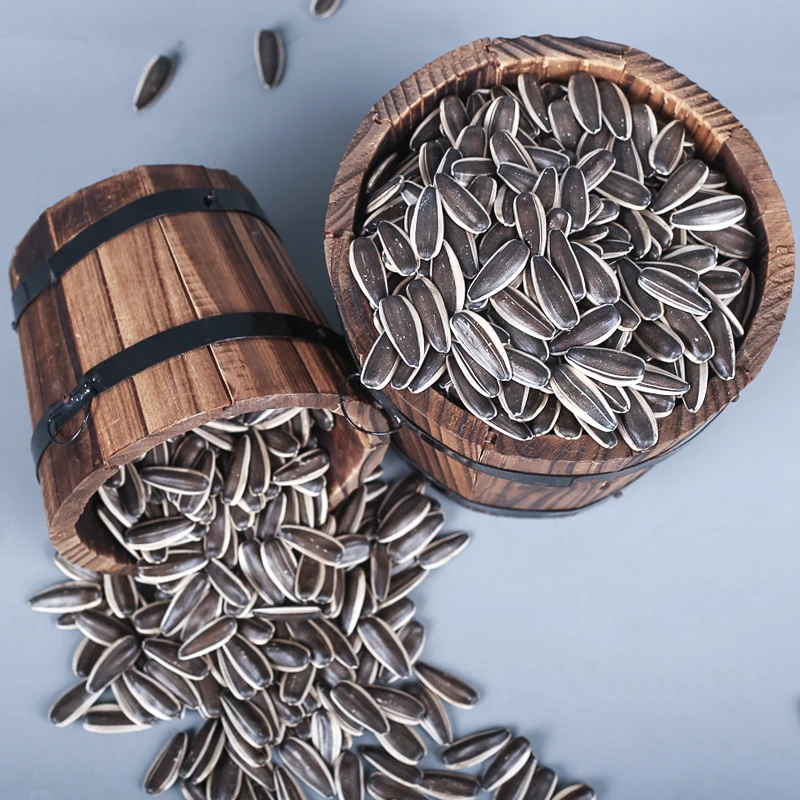
Roast sunflower seeds in shell represent a significant segment of the global snack food industry, experiencing consistent demand driven by their nutritional profile and consumer appeal. Suppliers operating within this market are defined not merely by volume, but by adherence to stringent quality control measures throughout the entire process – from seed sourcing and processing to roasting, flavoring, and packaging. The technical positioning of these suppliers lies at the intersection of agricultural commodity handling, food processing engineering, and packaging science. Core performance attributes revolve around consistent seed quality (size, oil content, moisture level), effective roasting profiles delivering optimal flavor and texture, and ensuring microbiological safety and extended shelf-life. The industry faces ongoing challenges related to aflatoxin contamination, maintaining consistent flavor profiles across batches, and adapting to evolving consumer preferences for natural and minimally processed snacks. This guide provides a comprehensive technical overview for procurement managers and engineers involved in sourcing from roast sunflower seed in shell suppliers.
Material Science & Manufacturing
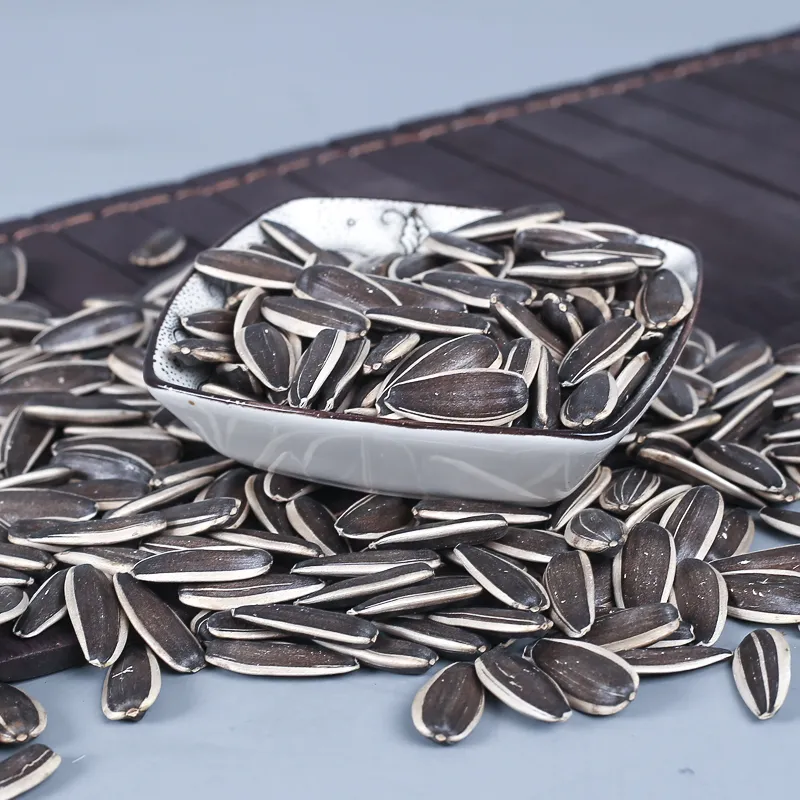
The foundational material, Helianthus annuus (sunflower seed), exhibits inherent variability based on cultivar, growing conditions (soil composition, climate), and harvesting practices. Seeds are composed primarily of oil (40-50% linoleic acid, oleic acid), protein (15-25%), carbohydrates (15-20%), and fiber. Kernel density, typically ranging from 0.6 to 0.8 g/cm³, directly influences roasting uniformity. Manufacturing commences with seed cleaning and grading, removing foreign material (stalks, leaves, stones) and separating seeds based on size and density utilizing screens and air classification. Roasting, the critical process step, is typically conducted in rotary or fluid-bed roasters at temperatures between 140-180°C. Precise temperature control is paramount to achieve Maillard reactions responsible for flavor development, while preventing lipid oxidation and acrylamide formation. Moisture content is reduced from approximately 10-12% to 2-4% during roasting. Following roasting, seasoning (salt, spices) is applied, often via tumble coating. Finally, seeds are cooled and packaged in moisture-barrier films. Key parameters for control include roasting temperature, roasting time, seed moisture content entering the roaster, and air flow rate. Variation in any of these parameters leads to inconsistent flavor, texture, and shelf-life. The shell’s lignified structure provides physical protection during processing and contributes to the characteristic eating experience. Shell strength is a critical factor influencing breakage rates during handling and processing.
Performance & Engineering
Performance evaluation centers on physical and chemical properties impacted by the roasting process. Shear force analysis determines the brittleness of the roasted kernel, a key indicator of texture. Oil absorption, measured via Soxhlet extraction, quantifies residual oil content and impacts rancidity potential. Water activity (aw), typically below 0.6, is critical for inhibiting microbial growth and maintaining shelf stability. Force analysis during shell cracking reveals the energy required to access the kernel, influencing consumer acceptance. Environmental resistance is primarily related to moisture ingress impacting product quality. Packaging materials must demonstrate low oxygen transmission rates (OTR < 10 cc/m²/day) and low water vapor transmission rates (WVTR < 3 g/m²/day) to maintain crispness and prevent microbial spoilage. Compliance requirements include adherence to food safety regulations (FDA, EFSA, FSMA) regarding aflatoxin levels (typically < 20 ppb), heavy metal contamination, and pesticide residues. Roasting equipment must be designed to minimize acrylamide formation through optimized temperature profiles and control of free asparagine levels in the seeds. Furthermore, equipment design must address dust control to mitigate explosion hazards associated with combustible dust.
Technical Specifications
| Parameter | Unit | Typical Value | Acceptable Range |
|---|---|---|---|
| Kernel Moisture Content | % w/w | 3.0 | 2.0 – 4.0 |
| Oil Content (Kernel) | % w/w | 50.0 | 48.0 – 55.0 |
| Aflatoxin Level | ppb | <2 | <20 |
| Water Activity (aw) | - | 0.55 | <0.6 |
| Kernel Size (Average Diameter) | mm | 8.0 | 7.0 – 9.0 |
| Shell Breakage Rate | % | 2.0 | <5.0 |
Failure Mode & Maintenance
Failure modes in roast sunflower seeds primarily relate to quality degradation. Rancidity, caused by lipid oxidation, is a common issue resulting in off-flavors and reduced shelf life. This is accelerated by exposure to oxygen, light, and elevated temperatures. Microbial contamination, particularly molds producing aflatoxins, poses a significant safety risk. Kernel cracking during processing leads to increased fines and reduced product appeal. Flavor degradation, resulting from improper roasting profiles or storage conditions, diminishes consumer acceptability. Maintenance of roasting equipment is crucial to prevent these failures. Regular cleaning of roasters and seasoning drums prevents buildup of seed residue and minimizes microbial contamination. Calibration of temperature sensors and control systems ensures accurate roasting profiles. Inspection and replacement of conveyor belts and air filters maintain optimal processing conditions. Proper storage of raw materials and finished products, in cool, dry, and dark conditions, minimizes lipid oxidation and microbial growth. Periodic analysis of seed samples for aflatoxin levels and oil oxidation markers (peroxide value) provides early warning of potential quality issues. Preventative maintenance schedules should incorporate bearing lubrication, motor inspections, and electrical system checks.
Industry FAQ
Q: What are the critical factors influencing aflatoxin contamination, and how do suppliers mitigate this risk?
A: Aflatoxins are produced by Aspergillus molds, primarily during pre-harvest and storage. Critical factors include drought stress, insect damage, and inadequate storage conditions. Reputable suppliers implement rigorous pre-harvest monitoring programs, including field inspections and seed testing. Post-harvest, seeds undergo thorough cleaning and grading to remove contaminated material. Modern sorting technologies (optical sorters) are employed to identify and remove aflatoxin-contaminated seeds. Additionally, suppliers often utilize post-harvest treatments such as propionic acid to inhibit mold growth.
Q: How do variations in sunflower seed variety impact the roasting process and final product quality?
A: Different sunflower seed varieties exhibit variations in oil content, kernel size, and shell thickness. High-oleic varieties, for example, are more resistant to oxidation during roasting and storage. Larger kernel sizes generally require longer roasting times. Thicker shells may necessitate higher roasting temperatures or longer durations. Suppliers must adjust roasting profiles based on the specific seed variety to achieve optimal flavor and texture.
Q: What quality control measures are in place to ensure consistent flavor profiles between different production batches?
A: Consistent flavor profiles rely on precise control of roasting parameters (temperature, time, air flow) and seasoning application. Suppliers employ automated roasting systems with closed-loop control to maintain these parameters within narrow tolerances. Regular sensory evaluations (taste panels) are conducted to assess flavor characteristics and identify deviations. Raw material traceability systems ensure that the same seed variety and sourcing region are used for consistent batches. Seasoning blends are precisely weighed and mixed to maintain uniformity.
Q: What packaging materials are recommended to maximize shelf-life and prevent moisture ingress?
A: Multi-layer flexible packaging films combining polyethylene (PE), aluminum foil, and polyester (PET) are commonly used. The aluminum foil provides an excellent oxygen and moisture barrier, while the PE layer offers sealability. Film thickness and barrier properties should be carefully selected based on the desired shelf-life. Packaging should be flushed with nitrogen gas to further reduce oxygen levels. Proper sealing techniques are essential to prevent moisture ingress.
Q: What certifications and audits are typically required from suppliers to demonstrate compliance with food safety standards?
A: Common certifications include FSSC 22000, BRCGS Food Safety, and HACCP. Suppliers are typically required to undergo regular third-party audits to verify compliance with these standards. Audits assess hazard analysis and critical control points (HACCP) implementation, sanitation procedures, pest control measures, and traceability systems. Documentation of raw material sourcing, processing parameters, and quality control results is also essential.
Conclusion
The selection of roast sunflower seed in shell suppliers requires a nuanced understanding of the interplay between agricultural inputs, processing engineering, and packaging science. Consistent product quality hinges upon precise control of roasting parameters, proactive management of aflatoxin risk, and the utilization of appropriate barrier packaging. Suppliers demonstrating a commitment to stringent quality control measures, adherence to international food safety standards, and a robust traceability system are critical for mitigating risk and ensuring a consistently high-quality product.
The future of the industry will likely be shaped by consumer demand for sustainable sourcing, minimally processed snacks, and innovative flavor profiles. Suppliers that invest in advanced sorting technologies, optimize roasting processes for energy efficiency, and explore novel packaging materials will be well-positioned to capitalize on these evolving market trends. Furthermore, transparent supply chain management and proactive communication with customers will be paramount for building trust and fostering long-term partnerships.
