Introduction
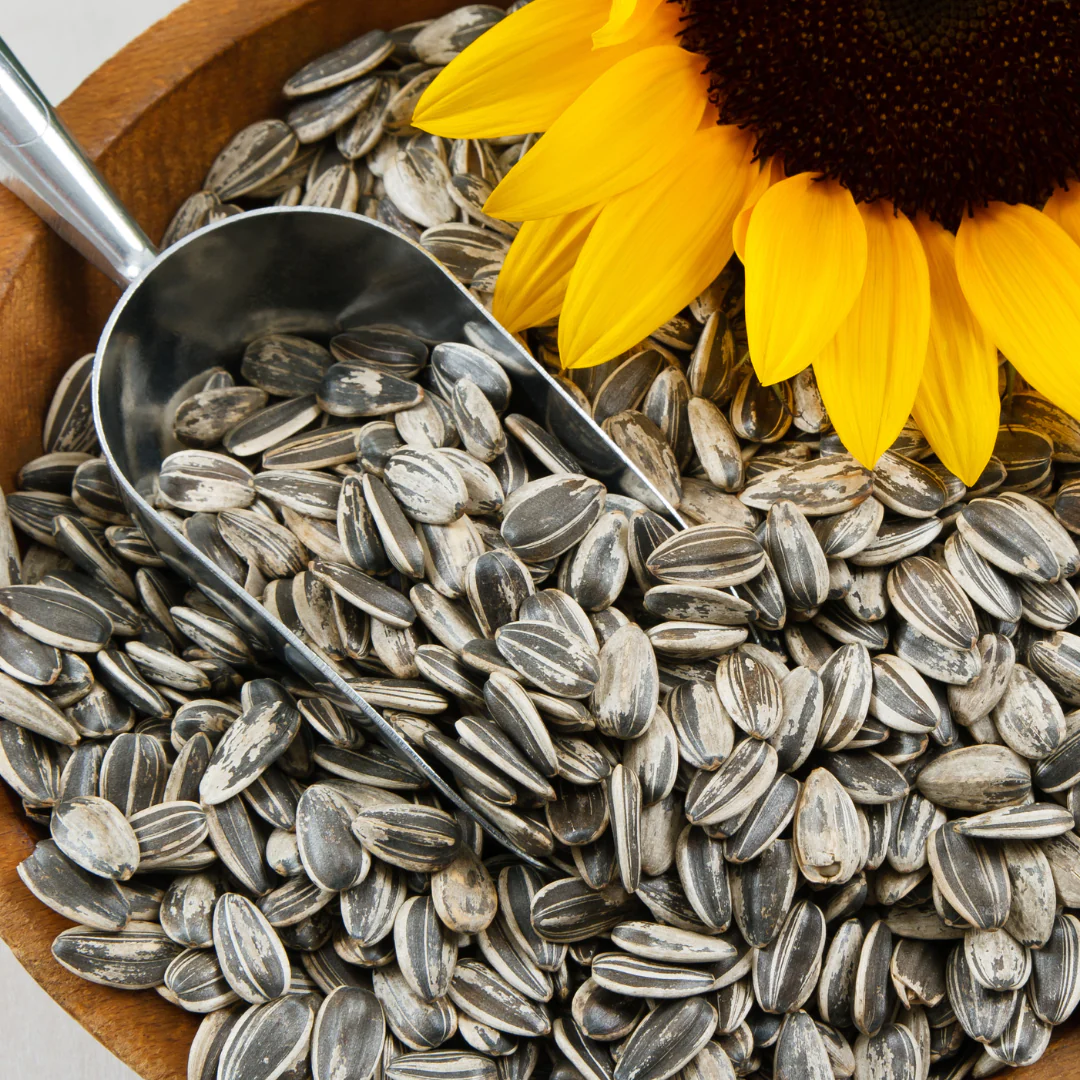
Roast sunflower seeds in shell represent a significant segment of the global snack food industry, functioning as a vital link between agricultural production and consumer markets. This technical guide provides a comprehensive overview for procurement managers, quality control engineers, and food processing professionals involved in sourcing and utilizing these products. Sunflower seeds ( Helianthus annuus) are processed through drying, dehulling (in some cases), roasting, and seasoning to yield the final product. The quality of roast sunflower seeds in shell is determined by factors including seed maturity, oil content, roasting parameters, and adherence to food safety regulations. Key performance indicators focus on moisture content, kernel completeness, oil acidity, and the absence of mycotoxins. This document details the critical material science, manufacturing processes, performance characteristics, potential failure modes, and relevant industry standards governing the supply of roast sunflower seeds in shell.
Material Science & Manufacturing
The primary raw material, sunflower seeds, comprises approximately 35-55% oil, 20-30% protein, and 15-25% carbohydrates. The oil content, largely linoleic acid (a polyunsaturated omega-6 fatty acid), dictates the roasting characteristics and flavor profile. Seed coat composition, predominantly cellulose and lignin, impacts shell breakage during processing and consumer acceptability. Manufacturing begins with harvesting and initial drying to a moisture content of approximately 9-11%. Subsequent dehulling (optional) removes the outer hull. The critical stage is roasting, typically conducted using fluid-bed roasters or rotary drum roasters. Temperature control (140-180°C) and residence time (20-40 minutes) are paramount. Maillard reactions contribute to flavor development, while excessive heat can lead to acrylamide formation. Seasoning, often involving salt, flavorings, and coatings, is applied post-roasting. Quality control involves regular sampling for moisture content (using a moisture analyzer), oil content (using Soxhlet extraction or NMR), and peroxide value (indicating oxidation levels). Batch-to-batch consistency relies heavily on precise parameter control throughout the entire process, including raw material sourcing and pre-treatment.
Performance & Engineering
Performance evaluation centers on physical integrity and sensory attributes. Shell strength, measured using a compression test, must withstand handling and transportation stresses. Kernel completeness, the percentage of fully developed kernels, directly influences consumer perception of value. Roast uniformity, assessed through visual inspection and moisture content distribution analysis, ensures consistent flavor. Environmental resistance is primarily focused on preventing lipid oxidation, which leads to rancidity. Packaging plays a crucial role, with barrier films (e.g., metallized polypropylene) minimizing oxygen permeability. Compliance requirements include adherence to food safety regulations (e.g., HACCP, GMP) and labeling standards (e.g., nutritional information, allergen declarations). Force analysis during shelling (for in-shell seeds) determines optimal shell strength and kernel separation efficiency. Shelf-life stability is assessed through accelerated aging studies, monitoring peroxide value and sensory characteristics over time. Consideration of the heat transfer coefficient during roasting is vital for scaling manufacturing processes.
Technical Specifications
| Parameter | Unit | Typical Range | Test Method |
|---|---|---|---|
| Moisture Content | % | 6.0 – 8.0 | AOAC 925.10 |
| Oil Content | % | 45 – 55 | Soxhlet Extraction (AOAC 920.85) |
| Kernel Completeness | % | >95 | Visual Inspection |
| Peroxide Value | meq O2/kg | < 3.0 | AOCS Cd 8-53 |
| Acrylamide Content | µg/kg | <100 | LC-MS/MS (AOAC 2017.09) |
| Shell Breakage | % | <5 | Visual Inspection & Weight Loss |
Failure Mode & Maintenance
Common failure modes include rancidity (caused by lipid oxidation), shell cracking during handling, kernel damage during roasting, and mycotoxin contamination (aflatoxins, ochratoxins). Rancidity is mitigated through antioxidant addition (e.g., vitamin E) and oxygen-barrier packaging. Shell cracking is addressed by optimizing seed drying and handling procedures. Kernel damage results from excessive roasting temperatures or improper agitation within the roaster. Mycotoxin contamination is prevented through rigorous raw material sourcing and storage practices. Preventative maintenance for roasting equipment involves regular cleaning of roaster drums/beds, inspection of temperature sensors, and calibration of control systems. Storage facilities require pest control measures and temperature/humidity monitoring to prevent mold growth. Regular quality control testing (including mycotoxin analysis) is essential for identifying and addressing potential issues before they impact product quality. Monitoring for foreign material contamination is also a critical aspect of maintenance and quality assurance.
Industry FAQ
Q: What are the critical considerations for long-term storage of roast sunflower seeds to prevent rancidity?
A: Long-term storage necessitates minimizing exposure to oxygen, light, and heat. Utilize airtight, opaque packaging with oxygen absorbers. Maintain storage temperatures below 25°C and relative humidity below 65%. Periodic testing for peroxide value is crucial to monitor oxidation levels. Consider nitrogen flushing of packaging prior to sealing.
Q: How do you control acrylamide formation during the roasting process?
A: Acrylamide formation is influenced by roasting temperature, time, and seed moisture content. Optimizing roasting parameters to minimize these factors is crucial. Lower roasting temperatures (while maintaining flavor development) and reducing roasting time can help. Pre-treatment of seeds (e.g., blanching) has also shown some effectiveness.
Q: What are the acceptable limits for aflatoxin contamination, and how is this monitored?
A: Acceptable limits for aflatoxin vary by country but typically range from 2-10 ppb (parts per billion). Monitoring involves regular sampling and analysis using ELISA or HPLC methods. Proper sourcing from regions with low aflatoxin prevalence and implementing robust storage practices are essential preventative measures.
Q: How does the variety of sunflower seed impact the final product quality and roasting characteristics?
A: Different sunflower seed varieties exhibit variations in oil content, kernel size, and shell strength. High-oleic varieties are preferred for roasting due to their improved oxidative stability. Kernel size influences roasting uniformity, and shell strength affects processing efficiency. Selection of the appropriate variety is crucial for achieving desired product characteristics.
Q: What role does packaging play in preserving the quality and extending the shelf life of roast sunflower seeds?
A: Packaging is paramount. Multi-layer films with excellent oxygen and moisture barrier properties are essential. Metallized polypropylene or aluminum foil laminates are commonly used. Modified atmosphere packaging (MAP) with nitrogen flushing further enhances shelf life. Packaging integrity must be maintained throughout the supply chain.
Conclusion
The production of high-quality roast sunflower seeds in shell relies on a complex interplay of material science, precise manufacturing controls, and stringent quality assurance protocols. Understanding the impact of seed characteristics, roasting parameters, and packaging materials is vital for ensuring product safety, sensory appeal, and extended shelf life. Maintaining consistent adherence to industry standards and regulatory requirements is non-negotiable for successful market entry and sustained consumer trust.
Future advancements in sunflower seed processing will likely focus on optimizing roasting technologies to minimize acrylamide formation and enhance flavor development, as well as exploring novel packaging solutions with improved barrier properties and sustainability profiles. Continued research into mycotoxin mitigation strategies will be critical for safeguarding food safety and securing a reliable supply of this popular snack food.
