Introduction
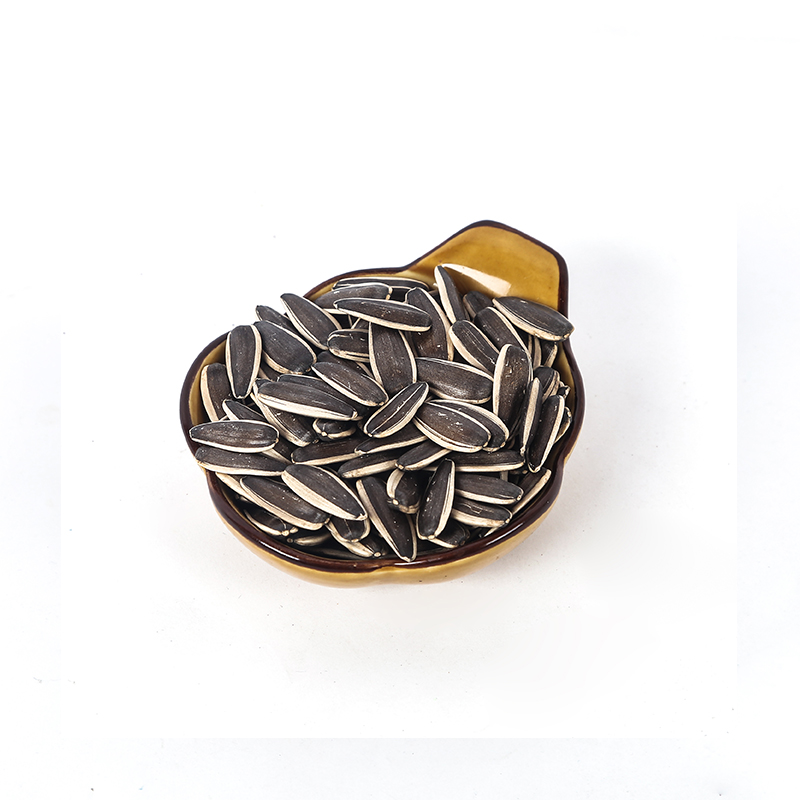
Roast sunflower seeds in shell represent a significant segment within the snack food industry, specifically categorized under oilseed-based products. Technically, they are the mature fruit of the Helianthus annuus plant, processed through drying and roasting to develop characteristic flavor and texture. Positioned between agricultural production and consumer packaged goods, their quality is determined by seed genetics, growing conditions, post-harvest handling, and the roasting process itself. Core performance metrics center around shell integrity (resistance to cracking during handling and consumption), kernel fullness and oil content, moisture content (influencing shelf life and textural attributes), and the absence of foreign materials or mycotoxins. The industry faces increasing pressure regarding acrylamide formation during roasting and the demand for consistent seed size and quality for automated packaging lines. Consumer preference is shifting towards healthier snack options, demanding low sodium content and minimal processing aids.
Material Science & Manufacturing
The primary raw material, sunflower seeds, are composed of approximately 30-50% oil, 20-30% protein, 15-25% carbohydrate (primarily cellulose in the shell), and 5-10% moisture. The oil primarily consists of linoleic acid (a polyunsaturated omega-6 fatty acid) and oleic acid (a monounsaturated fatty acid), impacting oxidative stability. Shell composition is predominantly cellulose, hemicellulose, and lignin, providing structural integrity. Manufacturing begins with seed selection, focusing on kernel size and oil content, often utilizing optical sorting. Drying reduces moisture content to approximately 7-8% to prevent mold growth and facilitate roasting. Roasting, typically conducted at 120-160°C, induces the Maillard reaction, developing the characteristic flavor and aroma. Roasting parameters – temperature, duration, and airflow – are critical. Higher temperatures accelerate Maillard reactions but also increase acrylamide formation. Salt addition occurs post-roasting, often through tumbling or spraying. Packaging utilizes materials with low oxygen and moisture permeability to maintain freshness and prevent rancidity. Parameter control during roasting involves monitoring seed temperature, airflow velocity, and moisture loss to ensure uniformity and minimize defects. The seed coat’s lignification degree impacts its susceptibility to cracking during processing and handling.
Performance & Engineering
Performance is directly linked to shell strength, capable of withstanding the rigors of handling, packaging, and transportation without excessive breakage. Force analysis reveals that shell fracture strength varies significantly with seed variety and moisture content; drier seeds tend to be more brittle. Environmental resistance focuses on preventing lipid oxidation (rancidity) caused by exposure to oxygen, light, and elevated temperatures. Packaging plays a crucial role here, utilizing materials like metallized polypropylene or high-barrier polyethylene. Compliance requirements center around food safety regulations (e.g., FDA in the US, EFSA in Europe), including limits on heavy metals (lead, cadmium), pesticides, and mycotoxins (aflatoxins). Acrylamide levels are also subject to increasing scrutiny and regulation. Functional implementation includes achieving consistent salt adhesion and flavor distribution. Optimizing the roasting process to minimize acrylamide while maximizing flavor development requires precise control over temperature profiles and the addition of acrylamide reducing agents, like asparaginase. The kernel’s oil content and fatty acid profile directly influence its oxidative stability and shelf life, demanding proper packaging and storage conditions.
Technical Specifications
| Parameter | Unit | Typical Value | Test Method |
|---|---|---|---|
| Moisture Content | % | 7-8 | Oven Drying (AOAC) |
| Oil Content | % | 40-50 | Soxhlet Extraction (AOCS) |
| Shell Strength (Fracture Resistance) | N | >10 | Universal Testing Machine |
| Kernel Fullness | % | >85 | Visual Inspection/Image Analysis |
| Salt Content | % | 1.0-2.5 | Titration/Conductivity |
| Acrylamide Content | µg/kg | <100 | GC-MS |
Failure Mode & Maintenance
Common failure modes include shell cracking during processing and handling, leading to kernel damage and reduced product appeal. This is often exacerbated by low moisture content or excessive mechanical stress. Rancidity, caused by lipid oxidation, results in off-flavors and reduced shelf life. This is mitigated by proper packaging and storage. Aflatoxin contamination, a serious food safety hazard, arises from mold growth during pre-harvest or improper storage conditions. Preventative measures involve stringent quality control of raw materials and maintaining low moisture levels. Another failure mode is inconsistent roasting, resulting in uneven flavor and texture. This is often due to variations in seed size or airflow during the roasting process. Maintenance focuses on preventative measures: ensuring proper drying and roasting temperatures, implementing robust quality control procedures for raw materials (assessing mycotoxin levels), utilizing appropriate packaging materials, and maintaining optimal storage conditions (cool, dry, and dark). Periodic inspections for shell integrity and sensory evaluation (taste and smell) are crucial for identifying potential issues. Careful control of roasting time and temperature minimizes acrylamide formation.
Industry FAQ
Q: What are the primary factors contributing to shell cracking during processing?
A: Shell cracking is primarily influenced by seed variety, moisture content, and mechanical stress during handling. Lower moisture content increases brittleness. Seed varieties with thinner shells are inherently more susceptible. Excessive impact during conveying, sorting, or packaging can also induce cracking. Optimizing handling procedures and controlling moisture levels are critical mitigation strategies.
Q: How is acrylamide formation minimized during the roasting process?
A: Acrylamide formation is minimized by controlling roasting temperature and time. Lower temperatures and shorter roasting durations reduce acrylamide levels, although this may impact flavor development. The use of asparaginase, an enzyme that degrades asparagine (a precursor to acrylamide), is also an effective strategy. Careful selection of seed varieties with lower asparagine content can further reduce acrylamide formation.
Q: What are the critical considerations for packaging to ensure optimal shelf life?
A: Packaging must provide a barrier against oxygen, moisture, and light to prevent rancidity and maintain flavor. Metallized polypropylene or high-barrier polyethylene films are commonly used. Proper sealing is essential to prevent oxygen ingress. Nitrogen flushing can further reduce oxygen levels within the package. The packaging material must also be food-grade and compliant with relevant regulations.
Q: What quality control measures are essential for preventing aflatoxin contamination?
A: Rigorous quality control of raw materials is paramount. This involves testing seed samples for aflatoxin levels using ELISA or HPLC methods. Proper drying and storage conditions are crucial to prevent mold growth. Maintaining low moisture content and avoiding damage to the seed coat minimizes the risk of aflatoxin contamination. Regular monitoring of storage facilities for mold growth is also essential.
Q: How does oil content impact the overall quality and shelf life of roast sunflower seeds?
A: Higher oil content generally correlates with improved flavor and texture, but also increases susceptibility to rancidity. The fatty acid profile of the oil (ratio of linoleic to oleic acid) impacts oxidative stability. Higher levels of oleic acid contribute to longer shelf life. Proper packaging and storage are critical for preserving oil quality and preventing rancidity, regardless of oil content.
Conclusion
Roast sunflower seeds in shell production involves a complex interplay of material science, engineering, and food safety considerations. Optimizing roasting parameters to balance flavor development with acrylamide mitigation remains a significant challenge. Maintaining shell integrity throughout processing and ensuring long-term shelf life through effective packaging are crucial for delivering a high-quality product. Stringent quality control, particularly regarding mycotoxin levels, is essential for consumer safety and regulatory compliance.
Future trends point toward increased demand for healthier snack options with lower sodium content and minimal processing aids. Developing new roasting technologies that minimize acrylamide formation without compromising flavor will be critical. Exploring sustainable packaging materials and optimizing supply chain logistics to reduce waste and transportation costs will also be important considerations for industry growth and long-term viability.
