Introduction
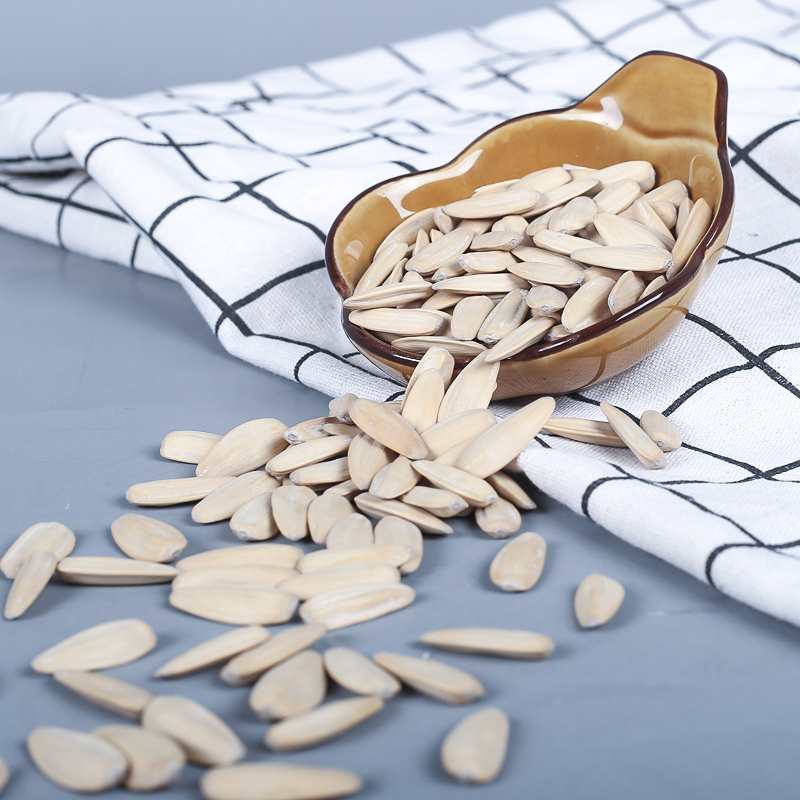
Roast sunflower seeds in shell represent a significant segment within the broader snack food industry, specifically categorized under processed oilseed products. Their production is a complex interplay of agricultural sourcing, precise processing, and stringent quality control. This guide details the technical aspects of producing high-quality roast sunflower seeds in shell, addressing key areas from seed selection and preparation to roasting parameters, quality assessment, and packaging. The industry faces critical challenges related to aflatoxin contamination, maintaining consistent roast profiles, shell integrity during processing, and meeting evolving consumer demands for both flavor and nutritional content. This detailed analysis serves as a technical resource for manufacturers aiming to optimize production efficiency, ensure product safety, and enhance market competitiveness. Core performance characteristics include moisture content, oil content, kernel damage, shell strength, and absence of foreign materials.
Material Science & Manufacturing
Sunflower seeds ( Helianthus annuus ) are composed primarily of oil (42-58%), protein (18-24%), fiber (8-12%), and carbohydrates (15-20%). The shell, or pericarp, is composed largely of cellulose, hemicellulose, and lignin, providing a protective barrier for the kernel. Seed quality varies significantly based on cultivar, growing conditions (temperature, rainfall, soil composition), and harvesting practices. Manufacturing commences with cleaning and grading of raw seeds to remove foreign materials (stones, stems, broken seeds). Moisture content is a critical parameter, typically targeted between 8-10% for optimal roasting. Pre-treatment may involve a brief steaming or hydration process to enhance shell permeability and improve roast uniformity. The roasting process itself is crucial, typically conducted using hot air ovens or rotary drum roasters at temperatures ranging from 120-160°C. Precise temperature control is paramount to achieve desired flavor development (Maillard reaction) and prevent scorching or rancidity. Critical parameters include roasting time, airflow rate, and drum rotation speed. Kernel oil composition is affected by temperature and time; excessive heat promotes lipid oxidation and decreases shelf life. Post-roasting, seeds are cooled rapidly to halt the cooking process and prevent condensation within the shell. Seasoning is applied using tumbling or spray application techniques, requiring careful control of adhesion and distribution.
Performance & Engineering
The performance of roast sunflower seeds in shell is governed by a complex interplay of physical and chemical properties. Shell strength is a key engineering characteristic, directly impacting resistance to cracking during handling, transportation, and consumption. Shell integrity is assessed using impact testing and compression testing. Force analysis reveals that the shell's resistance to fracture is influenced by moisture content, temperature, and the presence of micro-cracks. Environmental resistance is primarily related to moisture absorption and lipid oxidation. High humidity promotes shell softening and increases susceptibility to microbial growth. Lipid oxidation leads to rancidity, affecting flavor and nutritional value. Packaging plays a crucial role in mitigating these effects. Compliance requirements vary by region but generally encompass food safety standards (HACCP, GMP), aflatoxin limits (established by regulatory bodies like the FDA and EU), and packaging regulations. Aflatoxin contamination is a critical concern, requiring rigorous monitoring throughout the entire production process, from sourcing to final packaging. Functional implementation involves ensuring consistent roast profiles, minimizing kernel damage, and delivering a product with optimal flavor, texture, and nutritional value. Maintaining a consistent salt adherence and flavor distribution is also critical to consumer acceptance. Packaging material selection must consider barrier properties (oxygen transmission rate – OTR, water vapor transmission rate – WVTR) to preserve product quality.
Technical Specifications
| Parameter | Unit | Specification | Test Method |
|---|---|---|---|
| Moisture Content | % | 8.0 – 10.0 | AOAC 925.10 |
| Oil Content | % | 45 – 55 | Soxhlet Extraction (AOAC 920.39) |
| Aflatoxin B1 | ppb | < 2 | HPLC-Fluorescence |
| Kernel Damage (Broken/Chipped) | % | < 5 | Visual Inspection |
| Shell Strength (Compression) | N | > 50 | Universal Testing Machine |
| Salt Content | % | 1.0 – 2.5 (adjustable) | Argentometric Titration |
Failure Mode & Maintenance
Failure modes in roast sunflower seeds in shell can be categorized into several areas. Shell cracking occurs due to thermal shock during roasting, mechanical stress during handling, or inherent shell defects. Kernel damage results from excessive roasting temperatures, improper cooling, or impact during processing. Rancidity is a common failure mode stemming from lipid oxidation, accelerated by exposure to oxygen, light, and elevated temperatures. Aflatoxin contamination, while preventable through rigorous controls, represents a critical failure mode with severe health implications. Delamination of the shell can occur if moisture content is inconsistent or roasting is uneven. Maintenance strategies focus on preventative measures. Regular cleaning and inspection of roasting equipment are crucial to prevent buildup of debris and ensure uniform heating. Calibration of temperature sensors and airflow control systems is essential for maintaining consistent roast profiles. Proper storage of raw materials and finished products is vital to minimize moisture absorption and lipid oxidation. Implementing a robust HACCP plan with critical control points for aflatoxin monitoring is paramount. Preventive maintenance schedules should include bearing lubrication, belt tension adjustments, and filter replacement. Regular inspection of packaging seals is necessary to ensure barrier integrity and prevent spoilage.
Industry FAQ
Q: What are the critical control points for aflatoxin contamination in sunflower seed processing?
A: Critical control points include sourcing from reputable suppliers with established aflatoxin monitoring programs, rigorous pre-processing inspection and segregation of contaminated batches, optimized roasting parameters to reduce aflatoxin levels (while maintaining flavor), and regular testing of finished products using HPLC-Fluorescence. Proper storage to prevent mold growth is also essential.
Q: How does roasting temperature affect the oil stability of sunflower seeds?
A: Higher roasting temperatures accelerate lipid oxidation, leading to rancidity and reduced shelf life. Optimizing roasting time and temperature to achieve desired flavor development while minimizing oxidation is a key engineering challenge. Antioxidant addition can also be considered.
Q: What is the ideal moisture content for optimal roasting and shell integrity?
A: The ideal moisture content is generally between 8-10%. Lower moisture levels can lead to brittle shells and increased breakage during processing, while higher levels can result in uneven roasting and prolonged drying times.
Q: What types of packaging materials are best suited for preserving the quality of roasted sunflower seeds in shell?
A: Multi-layer films with excellent barrier properties against oxygen and moisture are recommended. Materials such as metalized polyester (MPET) combined with polyethylene (PE) offer good protection. Vacuum packaging or modified atmosphere packaging (MAP) with nitrogen flushing can further extend shelf life.
Q: How can shell cracking during processing be minimized?
A: Minimizing thermal shock during roasting, controlling cooling rates, optimizing handling procedures to reduce impact, and ensuring proper seed grading to remove weak or damaged seeds are crucial. Shell strength can also be influenced by pre-treatment methods like steaming or hydration.
Conclusion
The production of high-quality roast sunflower seeds in shell is a multifaceted process demanding rigorous control over material selection, processing parameters, and quality assurance. Successful manufacturers prioritize sourcing high-quality seeds, optimizing roasting profiles to balance flavor development with oil stability, and implementing comprehensive food safety programs to mitigate aflatoxin contamination. Consistent monitoring of critical parameters – moisture content, oil content, shell strength, and aflatoxin levels – is essential for maintaining product integrity and consumer satisfaction.
Future trends in the industry are likely to focus on enhanced flavor innovation, improved packaging technologies to extend shelf life, and the development of more sustainable production practices. Implementing real-time process monitoring and utilizing data analytics for optimization will become increasingly important. Meeting evolving consumer preferences for healthier snack options and transparent sourcing will also be critical for long-term success.
