Introduction
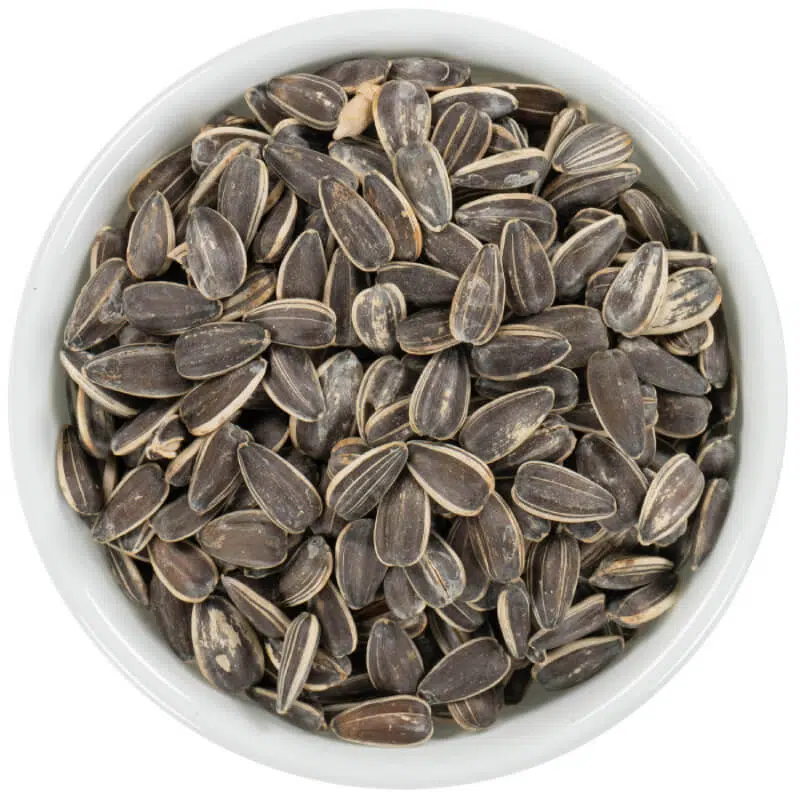
Roast sunflower seeds in shell factories represent a critical segment of the agricultural processing industry, dedicated to the preparation of Helianthus annuus seeds for human consumption. This process encompasses cleaning, dehulling (often partially maintained for textural preference), drying, roasting, seasoning, and packaging. The industry chain begins with sunflower cultivation, followed by seed harvesting and initial processing, culminating in the consumer-ready product. Core performance metrics for these factories revolve around seed quality (oil content, protein levels, absence of aflatoxins), throughput efficiency, roasting consistency (color, flavor, moisture content), and adherence to stringent food safety standards. Maintaining optimal roasting profiles while preserving shell integrity is a significant engineering challenge, directly impacting consumer acceptance. The industry faces increasing pressure to minimize waste, optimize energy consumption, and ensure traceability throughout the supply chain. This guide provides a comprehensive technical overview of the processes, materials, engineering considerations, and potential failure modes within a roast sunflower seed in shell factory.
Material Science & Manufacturing
The primary raw material, sunflower seeds, comprises a shell (pericarp) composed largely of cellulose and lignin, providing structural integrity. The kernel contains approximately 40-50% oil (primarily linoleic acid), 20-25% protein, and significant amounts of carbohydrates and vitamins. Material selection for factory equipment is paramount. Food-grade stainless steel (304 or 316L) is used extensively for contact surfaces due to its corrosion resistance, hygienic properties, and ease of cleaning. Roasting drums typically utilize carbon steel with specialized heat-resistant coatings to withstand prolonged exposure to high temperatures. Conveyor belts are often constructed from food-grade polyurethane or polyethylene. The manufacturing process begins with cleaning to remove debris. Dehulling is often partial, leaving a portion of the shell intact for consumer preference. Drying, usually employing heated air, reduces moisture content to optimize roasting. Roasting, the most critical step, utilizes a rotating drum or fluidized bed roaster, typically operating between 120-180°C. Precise temperature control is crucial to achieve desired color, flavor, and texture without inducing rancidity. Seasoning involves applying salt, flavorings, and potentially oils. Packaging utilizes multi-layer films (polypropylene/polyethylene/aluminum) to provide a barrier against moisture, oxygen, and light. Key parameter control during roasting includes drum speed, air temperature, seed bed depth, and roasting time, all monitored and adjusted via PLC-controlled systems. Maintaining consistent airflow velocity and temperature distribution within the roasting chamber is essential for uniform product quality.
Performance & Engineering
Performance assessment relies heavily on analyzing heat transfer dynamics during roasting. The heat transfer rate is affected by seed size, shape, shell thickness, and drum rotational speed. A mathematical model incorporating these factors is used to optimize roasting profiles. Engineering challenges include minimizing seed breakage during handling and preventing shell charring. Force analysis focuses on the impact forces experienced by seeds during conveying and roasting. Abrasion resistance of conveyor surfaces and drum interiors is crucial. Environmental resistance encompasses maintaining a sanitary processing environment (temperature and humidity control to prevent microbial growth) and managing dust emissions. Compliance requirements are stringent, dictated by food safety regulations (see Standards & Regulations section). Functional implementation of quality control systems involves real-time monitoring of temperature, moisture content, and color using sensors integrated into the processing line. These data points are used to adjust roasting parameters dynamically. Aflatoxin contamination is a major concern, necessitating rigorous testing and sourcing of seeds from certified suppliers. Furthermore, the design of the roasting equipment must account for thermal expansion and contraction of materials to prevent mechanical failures.
Technical Specifications
| Parameter | Unit | Typical Value | Tolerance |
|---|---|---|---|
| Moisture Content (Initial Seed) | % | 10-12 | ±1% |
| Roasting Temperature | °C | 140-160 | ±5°C |
| Roasting Time | Minutes | 20-30 | ±2 |
| Oil Content (Finished Product) | % | 45-55 | ±2% |
| Aflatoxin Level | ppb | <4 | N/A (Strict Limit) |
| Seed Breakage Rate | % | <3 | ±1% |
Failure Mode & Maintenance
Common failure modes include: 1) Drum Fatigue Cracking: Repeated thermal cycling and mechanical stress can induce fatigue cracks in the roasting drum, leading to catastrophic failure. Regular non-destructive testing (NDT) like ultrasonic inspection is crucial. 2) Bearing Failure: High temperatures and heavy loads can accelerate bearing wear and failure. Scheduled lubrication and bearing replacement are essential. 3) Conveyor Belt Degradation: Abrasion from seeds and temperature fluctuations can cause conveyor belt wear and tear. Regular inspection and replacement of worn belts are necessary. 4) Sensor Drift: Temperature and moisture sensors can drift over time, leading to inaccurate readings and inconsistent roasting. Calibration should be performed periodically. 5) Aflatoxin Contamination: Although preventable through sourcing, undetected contamination can lead to product recalls. Strict quality control procedures and regular testing are vital. 6) Shell Charring/Burning: Incorrect roasting parameters can lead to shell burning, imparting an undesirable taste and reducing product quality. Optimized temperature control and seed bed depth are required. Maintenance includes preventative lubrication of moving parts, regular cleaning of dust collection systems, calibration of sensors, and periodic inspection of structural components for corrosion or wear. A robust preventative maintenance program is essential for maximizing uptime and minimizing downtime.
Industry FAQ
Q: What are the primary factors influencing the flavor profile of roasted sunflower seeds?
A: The flavor profile is significantly impacted by roasting temperature, time, and the initial oil content of the seeds. Maillard reactions, occurring between amino acids and reducing sugars at elevated temperatures, contribute to the development of desirable roasted flavors. The degree of shell retention also influences perceived flavor, as the shell imparts a subtle earthy note.
Q: How do you mitigate the risk of aflatoxin contamination in sunflower seeds?
A: Mitigation starts with sourcing seeds from reputable suppliers with robust quality control systems and aflatoxin testing procedures. Proper drying of seeds before storage is crucial, as aflatoxins are produced by Aspergillus molds in moist environments. Regular monitoring and testing of both raw and finished products are essential, adhering to established regulatory limits.
Q: What are the challenges associated with scaling up production in a sunflower seed roasting facility?
A: Scaling up requires careful consideration of heat transfer limitations. Larger roasting drums may exhibit uneven temperature distribution, leading to inconsistent product quality. Maintaining consistent airflow and seed bed depth becomes more challenging with increased throughput. Process control systems must be upgraded to handle the increased data volume and complexity.
Q: What material is most suitable for the internal surface of the roasting drum and why?
A: Carbon steel with a specialized heat-resistant coating is generally preferred. While stainless steel offers superior corrosion resistance, it has lower thermal conductivity, potentially leading to uneven roasting. The coating protects the carbon steel from oxidation and prevents it from reacting with the seeds, while still providing efficient heat transfer.
Q: What methods are used to ensure uniform roasting across an entire batch of sunflower seeds?
A: Maintaining a consistent drum speed, ensuring even seed distribution within the drum, and precise control of airflow and temperature are critical. Using a PLC-controlled system with feedback loops from temperature sensors strategically positioned within the drum allows for dynamic adjustments to roasting parameters. Regular monitoring of seed color and moisture content throughout the process also helps ensure uniformity.
Conclusion
The successful operation of a roast sunflower seed in shell factory hinges on a deep understanding of the interplay between material science, heat transfer engineering, and food safety regulations. Optimizing the roasting process requires precise control of key parameters – temperature, time, airflow, and seed bed depth – to achieve desired flavor, texture, and nutritional characteristics while minimizing defects and ensuring product safety.
Future advancements in this sector will likely focus on improved sensor technology for real-time monitoring of seed quality, the implementation of artificial intelligence (AI) for predictive process control, and the development of more sustainable roasting technologies that minimize energy consumption and waste generation. Continued adherence to stringent quality control standards and proactive risk management are paramount for maintaining consumer trust and ensuring the long-term viability of the industry.
