Introduction
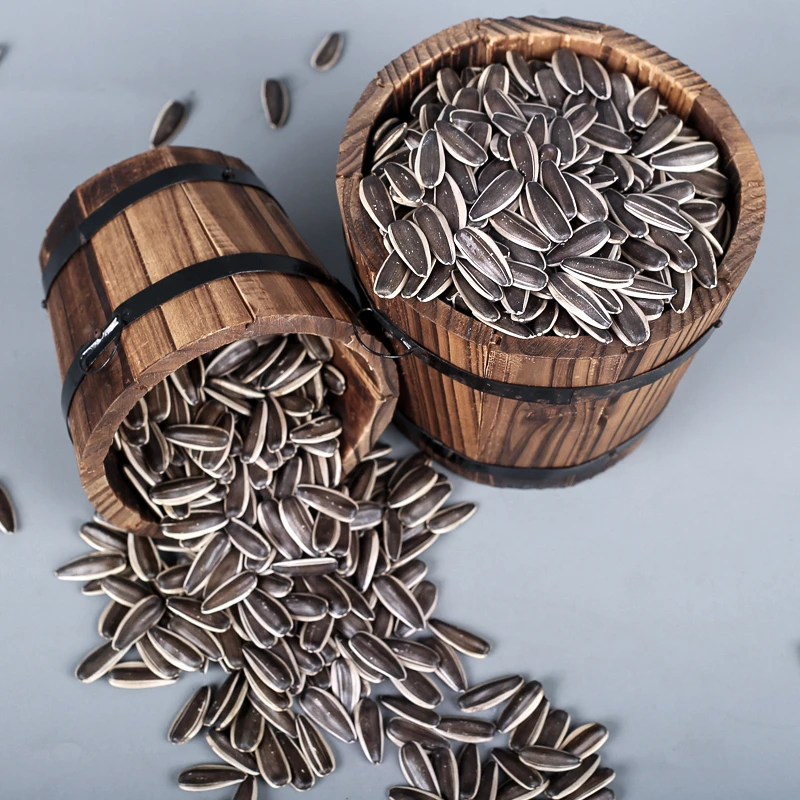
Roast sunflower seeds in shell represent a significant commodity within the global agricultural export market. This technical guide provides a comprehensive overview for exporters, addressing crucial aspects from seed quality and processing parameters to packaging, storage, and international regulatory compliance. Sunflower seeds ( Helianthus annuus) are valued for their nutritional content – high in healthy fats, protein, and vitamins – and their widespread consumer appeal as a snack food. The industry chain spans seed cultivation, harvesting, cleaning, dehulling (often partial for 'in-shell' products), roasting, flavoring, quality control, packaging, and international distribution. Core performance parameters for exporters focus on maintaining seed viability post-roasting, minimizing kernel damage, controlling moisture content to prevent mold growth, and consistently meeting international food safety standards. This document will delve into the technical complexities impacting these parameters, providing actionable insights for optimizing export operations and ensuring product integrity.
Material Science & Manufacturing
The primary raw material, sunflower seeds, exhibit varying compositions based on genotype and growing conditions. Kernels are approximately 50-60% oil, primarily linoleic acid (a polyunsaturated omega-6 fatty acid), 20-25% protein, and 10-15% carbohydrate. The shell, a lignocellulosic material, provides physical protection and contributes to the characteristic 'in-shell' eating experience. Manufacturing begins with seed selection based on kernel size, oil content, and shell integrity. Cleaning removes debris, broken seeds, and foreign matter via screening, aspiration, and gravity separation. The roasting process, typically conducted using hot air or oil roasting, is critical. Air roasting, at temperatures between 280-320°F (138-160°C) for 20-40 minutes, preserves more flavor and avoids excessive oil absorption. Oil roasting, while faster, requires careful temperature control (350-370°F / 177-188°C) to prevent rancidity and acrylamide formation. Post-roasting, seeds are often seasoned with salt or other flavorings. Key parameter control during roasting includes monitoring seed temperature, air velocity, and moisture loss. Maintaining consistent airflow is essential for even roasting and preventing scorching. The moisture content post-roast is crucial; typically, it is reduced to 2-4% to inhibit microbial growth and maintain crispness. Shell integrity is also affected by roasting; excessive heat can cause cracking or brittleness, reducing shelf life and market appeal.
Performance & Engineering
The performance of roast sunflower seeds, from an engineering perspective, centers on maintaining structural integrity during processing, packaging, and transportation. Shell strength is a critical factor; it must withstand handling without significant cracking. This strength is influenced by seed maturity, moisture content, and roasting parameters. Force analysis during packaging determines optimal packing density to minimize breakage. Environmental resistance is primarily related to moisture uptake. The shell provides a barrier, but prolonged exposure to high humidity (above 70% RH) can lead to softening and mold growth. Packaging materials (discussed further below) must provide adequate moisture barrier properties. Compliance requirements are extensive, encompassing food safety regulations (FDA, EFSA), pesticide residue limits (specified by importing countries), and aflatoxin control (a significant concern with oilseeds). Aflatoxin B1, a potent carcinogen produced by Aspergillus molds, is a primary focus of quality control. Regular testing using ELISA or HPLC methods is mandatory. Engineering controls, such as proper drying and storage conditions, are essential for minimizing aflatoxin contamination. Furthermore, the seeds' thermal stability during transportation must be considered, particularly in regions with extreme temperatures. Maintaining a temperature below 25°C (77°F) is recommended to prevent lipid oxidation and flavor degradation.
Technical Specifications
| Parameter | Unit | Typical Range | Test Method |
|---|---|---|---|
| Moisture Content | % | 2.0 - 4.0 | Oven Drying (AOAC 925.10) |
| Oil Content | % | 40 - 55 | Soxhlet Extraction (AOAC 920.39) |
| Kernel Damage (Broken/Split Kernels) | % | < 5 | Visual Inspection |
| Aflatoxin B1 | ppb | < 20 | ELISA or HPLC |
| Foreign Matter | % | < 1 | Visual Inspection |
| Shell Moisture Content | % | 8 - 12 | Oven Drying (AOAC 925.10) |
Failure Mode & Maintenance
Failure modes in roast sunflower seeds are diverse. Rancidity, caused by lipid oxidation, is a common issue, resulting in off-flavors and reduced shelf life. This is exacerbated by exposure to oxygen, light, and high temperatures. Kernel cracking, due to mechanical stress during processing or transportation, reduces market value. Mold growth, particularly Aspergillus species, leads to aflatoxin contamination and makes the product unfit for consumption. Shell degradation, resulting in brittleness or cracking, compromises the product’s protective barrier and affects its aesthetic appeal. Maintenance strategies focus on preventative measures. Proper drying and roasting parameters minimize rancidity. Optimized packaging and handling procedures reduce mechanical damage. Implementing a robust Hazard Analysis and Critical Control Points (HACCP) system is crucial for controlling aflatoxin contamination. Regular storage environment monitoring (temperature, humidity) and pest control are essential. Packaging materials should be inspected for integrity; damaged packaging allows moisture ingress and accelerates degradation. Storage facilities should be clean, dry, and well-ventilated. Regular quality control testing (moisture content, oil content, aflatoxin levels) is necessary to identify and address potential issues before they escalate. Shelf-life studies under various storage conditions are recommended to establish appropriate expiry dates.
Industry FAQ
Q: What are the key considerations for packaging to maximize shelf life?
A: Packaging should prioritize moisture barrier properties. Multi-layer films incorporating polyethylene (PE), polypropylene (PP), and aluminum foil are commonly used. Oxygen barrier layers (e.g., EVOH – ethylene vinyl alcohol) are also beneficial. Vacuum packaging or modified atmosphere packaging (MAP) with nitrogen flushing can further extend shelf life by reducing oxygen exposure. Packaging should also provide physical protection against crushing and impact during transportation.
Q: How do different roasting methods impact seed quality and shelf life?
A: Air roasting generally results in better flavor retention and lower oil absorption compared to oil roasting. However, oil roasting is faster. Both methods require precise temperature control. Over-roasting leads to rancidity and acrylamide formation. Proper drying post-roast is crucial for both methods to reduce moisture content and inhibit mold growth.
Q: What are the acceptable limits for pesticide residues in sunflower seeds for export to the EU?
A: The EU has strict Maximum Residue Levels (MRLs) for pesticides, as outlined in Regulation (EC) No 396/2005. Exporters must ensure that pesticide residue levels in sunflower seeds comply with these MRLs, which vary depending on the specific pesticide. Regular testing by accredited laboratories is essential.
Q: What steps can be taken to minimize the risk of aflatoxin contamination?
A: Implementing a comprehensive HACCP plan is paramount. This includes sourcing seeds from reputable suppliers, proper drying of seeds before storage, maintaining clean and dry storage facilities, monitoring for pest infestation, and regular testing for aflatoxin levels. Using certified seeds and applying pre-harvest fungicides (where permitted) can also help reduce contamination risk.
Q: What is the significance of the ‘in-shell’ versus ‘hulled’ market, and how does this influence processing parameters?
A: The ‘in-shell’ market emphasizes shell integrity and appearance, requiring careful roasting to avoid cracking. The ‘hulled’ market prioritizes kernel quality and minimizing broken kernels. Hulled seeds require additional dehulling and grading steps. Export demand varies by region; some markets prefer the convenience of hulled seeds, while others favor the traditional experience of ‘in-shell’ consumption.
Conclusion
The successful export of roast sunflower seeds in shell demands a meticulous approach encompassing material science, precise manufacturing controls, and stringent quality assurance. Maintaining optimal moisture content, minimizing kernel damage, and adhering to international food safety regulations are paramount for preserving product integrity and meeting consumer expectations. Understanding the nuances of roasting parameters, packaging materials, and storage conditions is critical for maximizing shelf life and minimizing the risk of spoilage.
Looking forward, advancements in seed genetics focusing on improved oil content and shell strength, coupled with innovative packaging technologies offering enhanced barrier properties, will further enhance the export potential of this valuable commodity. Continuous investment in quality control infrastructure and adherence to evolving regulatory standards will remain essential for maintaining a competitive edge in the global market.
