Introduction
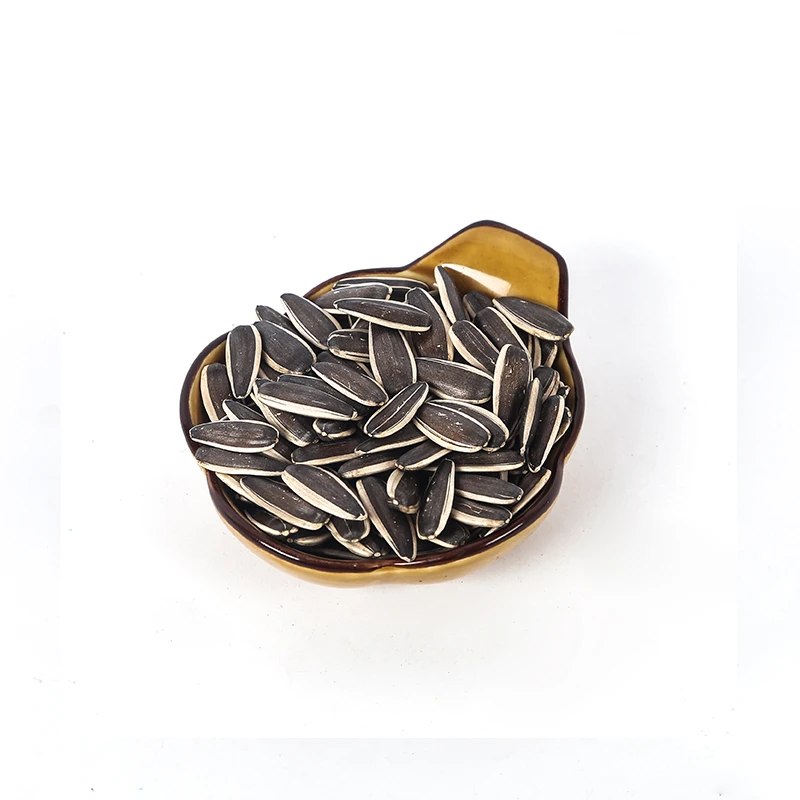
Roasted sunflower seeds in shell represent a significant segment of the global snack food industry, functioning as both a direct-to-consumer product and a crucial input material for confectionery and further processing applications. This technical guide will detail the critical aspects of production, quality control, and logistical considerations for exporters. Sunflower seeds ( Helianthus annuus) are characterized by their high oil content, protein, and various micronutrients, making them a valued nutritional source. The "in-shell" presentation contributes to a specific textural experience and perceived freshness preferred by many consumers. This document addresses the entire supply chain, from seed selection and processing to packaging, storage, and compliance with international food safety standards. Core performance parameters include moisture content, kernel integrity, oil content, and freedom from contaminants. Understanding these parameters is vital for maintaining product quality, shelf life, and meeting export regulations. The industry faces challenges related to aflatoxin contamination, seed quality variability, and optimizing roasting processes to achieve consistent flavor and texture profiles.
Material Science & Manufacturing
The primary raw material, sunflower seeds, exhibits considerable variability in composition based on genetics, growing conditions, and harvesting practices. Kernel oil content typically ranges from 42-58% by weight, with linoleic acid being the predominant fatty acid (approximately 60-70%). Protein content is around 20-25%, and carbohydrate content around 15-20%. The shell (hull) is composed primarily of cellulose and lignin, providing structural integrity. Manufacturing begins with seed cleaning to remove foreign materials (stones, stems, leaves). De-hulling is sometimes performed prior to roasting, although this guide focuses on in-shell processing. Roasting is the most critical step, typically conducted in rotating drum roasters or fluidized bed roasters. Temperature control is paramount; typical roasting temperatures range from 120-180°C, with residence times varying from 15-45 minutes. Key parameters include roasting temperature, drum speed (for drum roasters), airflow rate (for fluidized bed roasters), and moisture content of the green seeds. Precise control of these parameters determines the development of characteristic flavor compounds (pyrazines, aldehydes, ketones) through Maillard reactions and caramelization. Salting is frequently performed post-roasting, using dry salt or brine solutions. Cooling rapidly after roasting and salting halts the cooking process and prevents excessive moisture absorption. Shell moisture content post-roast is typically targeted between 2-4%. The drying stage is crucial to preventing mold growth during storage and transport.
Performance & Engineering
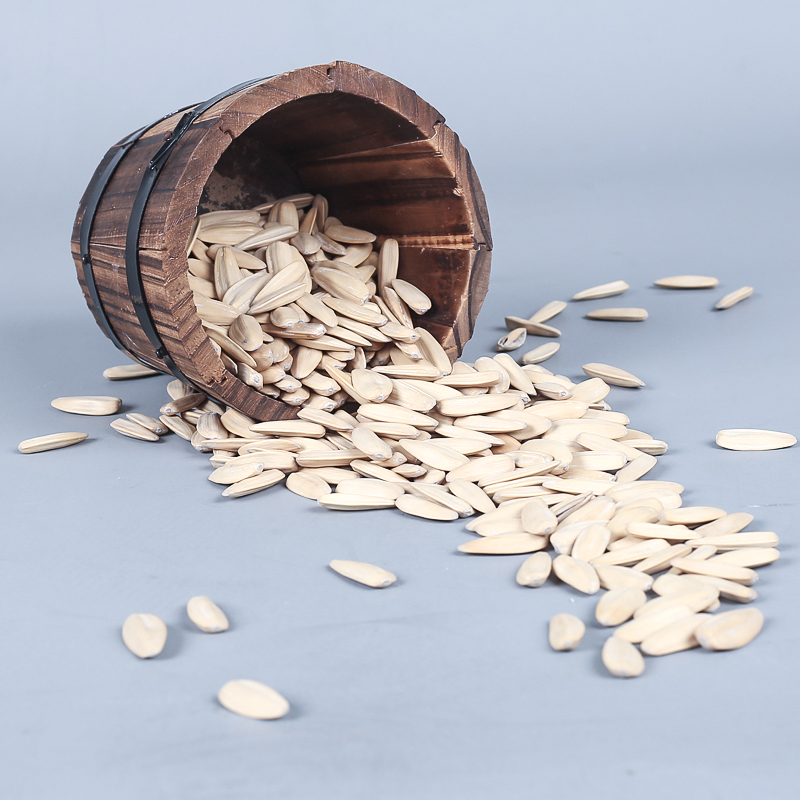
The structural integrity of the sunflower seed shell is a critical performance characteristic, influencing its ability to withstand handling, transportation, and processing. Shell strength is influenced by seed maturity, moisture content, and genetic factors. Force analysis during handling (e.g., filling, palletizing) must account for the potential for shell cracking, leading to kernel damage and dust generation. Environmental resistance is primarily related to moisture uptake. High humidity environments can lead to softening of the shell and increased susceptibility to microbial growth. Packaging materials must provide an effective barrier to moisture. Furthermore, exposure to oxygen can initiate lipid oxidation, leading to rancidity and off-flavors. Compliance requirements include adherence to food safety standards established by importing countries (e.g., FDA regulations in the United States, EFSA regulations in Europe). Aflatoxin levels are a major concern; maximum allowable levels vary by country but are typically in the parts per billion (ppb) range. Roasting is effective at reducing aflatoxin levels, but it does not eliminate them entirely. Engineering considerations involve optimizing roasting processes for energy efficiency and minimizing kernel damage. Proper ventilation is necessary to remove moisture and volatile compounds generated during roasting. Automated sorting and grading systems can improve product consistency and reduce labor costs.
Technical Specifications
| Parameter | Unit | Typical Range | Testing Method |
|---|---|---|---|
| Moisture Content (Shell) | % w/w | 2-4 | Oven Drying (AOAC 925.10) |
| Moisture Content (Kernel) | % w/w | 8-10 | Oven Drying (AOAC 925.10) |
| Oil Content (Kernel) | % w/w | 45-55 | Soxhlet Extraction (AOAC 920.39) |
| Kernel Integrity (Broken Kernels) | % by weight | < 5 | Visual Inspection/Sieving |
| Aflatoxin B1 | ppb | < 20 | HPLC with Immunafinity Detection (AOAC 999.09) |
| Salinity | % w/w | 1-3 | Conductivity Measurement |
Failure Mode & Maintenance
Common failure modes for roasted sunflower seeds in shell include rancidity due to lipid oxidation, shell cracking during handling and transport, aflatoxin contamination, and insect infestation. Rancidity is mitigated by packaging in airtight, oxygen-impermeable materials and incorporating antioxidants. Shell cracking is minimized by optimizing handling procedures, using appropriate packaging materials, and controlling seed moisture content. Aflatoxin contamination is addressed through careful seed sourcing, pre-roasting sorting, and adherence to proper storage conditions. Insect infestation can be prevented through good sanitation practices and the use of insecticidal treatments (where permitted by regulations). Maintenance of roasting equipment is crucial for consistent product quality. Regular cleaning of roasters prevents buildup of seed debris and ensures efficient heat transfer. Calibration of temperature sensors and monitoring of airflow rates are essential for precise process control. Preventative maintenance schedules should include inspection and replacement of belts, bearings, and other wear components. Storage facilities should be maintained at low temperatures and humidity to minimize deterioration and prevent pest infestations. Regular monitoring of seed quality during storage is recommended.
Industry FAQ
Q: What are the key factors influencing the development of sunflower seed flavor during roasting?
A: Flavor development is a complex process influenced by roasting temperature, time, and seed moisture content. Maillard reactions between amino acids and reducing sugars, as well as caramelization of sugars, are the primary mechanisms responsible for creating the characteristic roasted flavor compounds. Achieving the desired flavor profile requires precise control of these parameters.
Q: How can aflatoxin contamination be effectively minimized in roasted sunflower seeds?
A: Minimizing aflatoxin requires a multi-faceted approach, starting with sourcing seeds from reputable suppliers with robust quality control systems. Pre-roasting sorting to remove visibly moldy seeds is crucial. Roasting itself reduces aflatoxin levels, but does not eliminate them. Proper storage conditions (low temperature and humidity) prevent further aflatoxin production. Regular testing for aflatoxin is essential.
Q: What packaging materials are recommended for maintaining the quality of roasted sunflower seeds during long-term storage and export?
A: Packaging materials should provide a barrier to moisture, oxygen, and light. Multi-layer films incorporating aluminum foil or metallized polyethylene terephthalate (PET) are commonly used. The use of modified atmosphere packaging (MAP), employing nitrogen gas flushing, can further extend shelf life by reducing oxygen levels. The packaging must also be robust enough to withstand the rigors of transportation.
Q: What are the critical quality control parameters to monitor throughout the roasting process?
A: Key parameters include seed moisture content before and after roasting, roasting temperature and time, airflow rate (if applicable), salinity, and the percentage of broken kernels. Regular monitoring of these parameters ensures consistent product quality and adherence to specifications. Aflatoxin levels should also be periodically tested.
Q: What are the implications of varying shell moisture content on the storage stability of roasted sunflower seeds?
A: High shell moisture content promotes microbial growth and can lead to softening of the shell, increasing susceptibility to cracking. Low shell moisture content can cause brittleness and increased shell fragmentation during handling. Maintaining a shell moisture content between 2-4% is optimal for maximizing storage stability and minimizing handling damage.
Conclusion
The export of roasted sunflower seeds in shell is a complex undertaking requiring meticulous attention to detail throughout the entire supply chain. Achieving consistent product quality, ensuring food safety, and complying with international regulations are paramount. Optimizing the roasting process, employing appropriate packaging materials, and implementing robust quality control measures are essential for success in this competitive market. Understanding the interplay between seed characteristics, processing parameters, and storage conditions is critical for minimizing failure modes and maximizing shelf life.
Future trends in the industry will likely focus on sustainable sourcing practices, the development of novel roasting technologies to enhance flavor and reduce energy consumption, and the implementation of advanced analytical techniques for rapid and accurate aflatoxin detection. Continued investment in research and development will be vital for maintaining a competitive edge and meeting the evolving demands of consumers. Adherence to the standards detailed within this guide will prove crucial for exporters seeking to establish a strong and reliable presence in the global market.
