Introduction
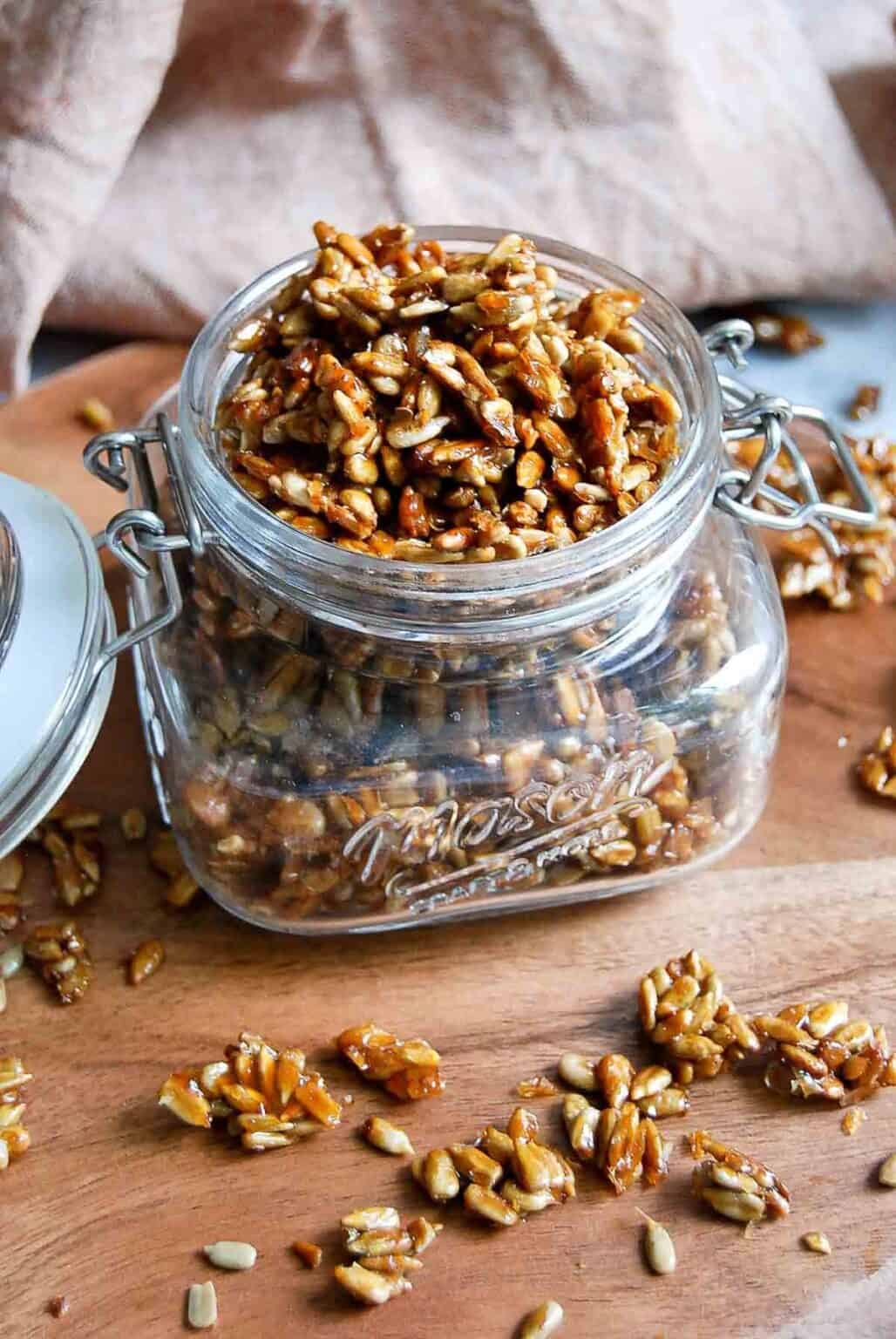
Oven-roasted sunflower seeds represent a significant segment of the snack food industry, positioned between raw seed consumption and heavily processed, flavored alternatives. Technically, the process involves controlled heat application to Helianthus annuus seeds to induce Maillard reactions, lipid oxidation, and moisture reduction, resulting in a desirable texture and flavor profile. This guide provides a detailed technical analysis of the oven-roasting process, material science considerations, performance parameters, potential failure modes, and relevant industry standards. The core performance characteristics - crispness, flavor development, oil content, and shelf life - are critically dependent on precise process control and understanding of the seed’s inherent composition. A primary industry pain point lies in achieving consistent product quality across batches, minimizing acrylamide formation, and maintaining optimal sensory attributes while complying with food safety regulations. Furthermore, controlling rancidity during storage represents a major challenge for producers.
Material Science & Manufacturing
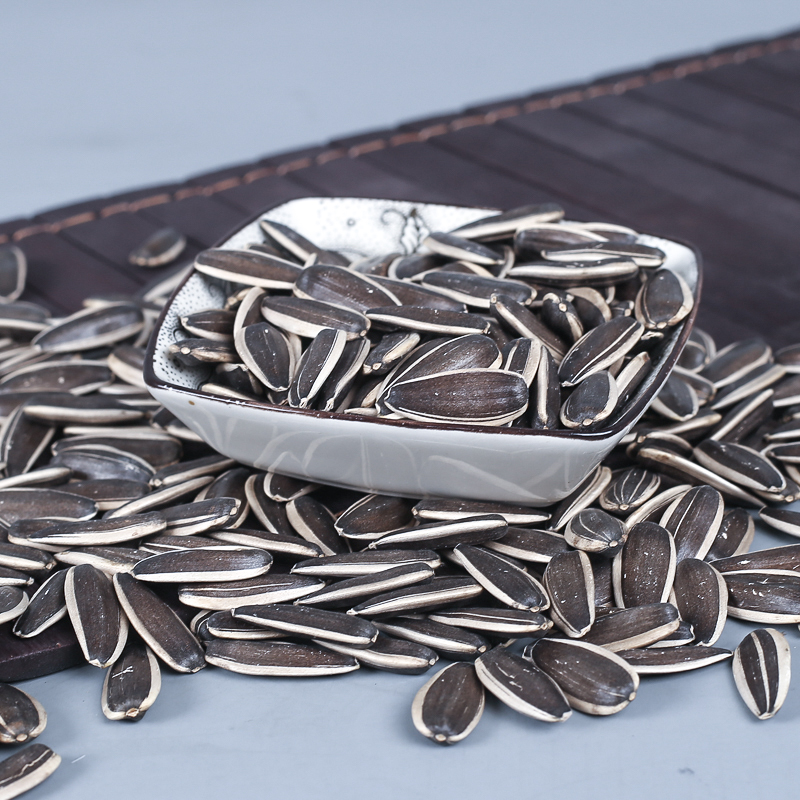
Sunflower seeds consist primarily of lipids (40-50% by weight, primarily linoleic acid), proteins (20-25%), carbohydrates (15-20%), and moisture (10-15%). The shell (hull) comprises approximately 20-30% of the seed’s weight and is composed of cellulose and lignin. The kernel, where the majority of the oil resides, is encased within this hull. Raw seeds possess a relatively high moisture content which must be reduced during roasting. The manufacturing process begins with seed selection, cleaning, and often dehulling (though roasted-in-shell seeds are also common). The roasting stage typically employs hot air ovens operating within a temperature range of 120-180°C (248-356°F). Critical parameters include temperature uniformity, air velocity, roasting time (typically 20-60 minutes), and seed bed depth. Controlling these parameters is crucial to achieve even roasting and prevent scorching. Lipid oxidation is accelerated at higher temperatures, generating volatile flavor compounds but also potentially leading to rancidity. Maillard reactions, responsible for browning and flavor development, are influenced by the seed’s amino acid and reducing sugar content. Post-roasting processes include cooling, seasoning (salt, flavorings), and packaging. Hull integrity is a critical manufacturing consideration – cracking or fracturing hulls during roasting indicates excessive heat or mechanical stress. Seed variety also plays a significant role; high-oleic sunflower seeds are preferred due to their increased oxidative stability.
Performance & Engineering
The primary performance characteristic is achieving optimal crispness, which is directly related to moisture content and cellular structure modification during roasting. Lower moisture content (typically < 2%) results in a crisper texture. Force analysis of roasted seeds reveals a brittle fracture profile, indicating the disruption of cellular walls. Environmental resistance focuses on preventing moisture re-absorption from the atmosphere, leading to loss of crispness and potential microbial growth. Packaging materials with low water vapor transmission rates (WVTR) are essential. Compliance requirements are dictated by food safety regulations, including permissible levels of acrylamide (a byproduct of high-temperature roasting), residual solvents (if flavorings are used), and heavy metal contamination. Functional implementation considerations include oven design to ensure uniform heat distribution, conveyor systems for consistent seed flow, and automated control systems to monitor and adjust roasting parameters. The heat transfer mechanism is primarily convection, requiring careful optimization of air velocity and temperature gradients. Furthermore, the design of the seed bed (layer thickness) influences roasting efficiency and prevents localized overheating. Seed agitation during roasting contributes to uniform heat exposure and reduces the formation of hotspots.
Technical Specifications
| Parameter | Specification (Standard Variety) | Specification (High-Oleic Variety) | Test Method |
|---|---|---|---|
| Moisture Content (%) | < 2.0 | < 1.5 | AOAC 925.10 |
| Oil Content (%) | 45-55 | 55-65 | SOXTEC Method |
| Acrylamide (µg/kg) | < 100 | < 80 | GC-MS |
| Peroxide Value (meq O2/kg) | < 5.0 | < 3.0 | AOCS Cd 8-53 |
| Water Vapor Transmission Rate (WVTR) (g/m²/24h) - Packaging | < 3.0 | < 3.0 | ASTM E96 |
| Seed Hardness (N) | 10-20 | 12-25 | Texture Analyzer (TA.XTplus) |
Failure Mode & Maintenance
Common failure modes include rancidity (caused by lipid oxidation, leading to off-flavors), softening (due to moisture re-absorption), cracking/fracturing (resulting from excessive heat or mechanical stress during roasting), and acrylamide formation (a health concern associated with high-temperature processing). Rancidity is mitigated by using high-oleic sunflower seeds, controlling roasting temperature, and employing oxygen-impermeable packaging. Softening is addressed through effective packaging and moisture control during storage. Cracking can be minimized by optimizing roasting parameters and ensuring uniform heat distribution. Acrylamide formation is influenced by roasting temperature and seed amino acid content; lower temperatures and the addition of asparaginase (an enzyme that reduces asparagine levels) can help reduce acrylamide. Preventative maintenance for roasting equipment includes regular cleaning to remove seed debris, inspection of heating elements for proper function, calibration of temperature sensors, and verification of air flow rates. Routine monitoring of seed moisture content and oil quality is essential for quality control. Equipment should be inspected for signs of corrosion or wear, particularly in areas exposed to high temperatures and humidity.
Industry FAQ
Q: What is the optimal roasting temperature to minimize acrylamide formation while still achieving a desirable flavor profile?
A: The optimal temperature is generally between 140-160°C (284-320°F). Lowering the temperature reduces acrylamide formation but can compromise flavor development. Utilizing shorter roasting times and careful control of seed moisture content are also critical factors. Consider incorporating asparaginase into the process.
Q: How do different packaging materials affect the shelf life of roasted sunflower seeds?
A: Packaging materials with low WVTR and oxygen transmission rates (OTR) are crucial. Metallized films, foil laminates, and high-barrier plastics offer superior protection against moisture and oxygen ingress, extending shelf life. Modified atmosphere packaging (MAP) using nitrogen flushing can further reduce oxidation.
Q: What are the key differences between roasting standard and high-oleic sunflower seeds, and how do these differences impact product quality?
A: High-oleic seeds have a higher proportion of oleic acid, a monounsaturated fatty acid, making them more resistant to oxidation and rancidity. Products made from high-oleic seeds exhibit a longer shelf life and a more stable flavor profile. They also typically require lower roasting temperatures, further minimizing acrylamide formation.
Q: How can we ensure uniform roasting across a large batch of sunflower seeds?
A: Uniform roasting requires precise control of air velocity, temperature distribution, and seed bed depth. Utilizing ovens with forced-air convection and ensuring consistent seed loading are essential. Implementing a seed agitation system can further promote uniform heat exposure.
Q: What methods are used to determine the optimal endpoint for the roasting process?
A: The endpoint is determined by a combination of factors including moisture content (measured using a moisture analyzer), visual assessment of color (comparing to a standardized color chart), and sensory evaluation (assessing flavor and texture). Real-time monitoring of seed temperature during roasting can also provide valuable data.
Conclusion
The successful production of oven-roasted sunflower seeds hinges on a comprehensive understanding of the interplay between material science, process engineering, and quality control. Precise control over roasting parameters—temperature, time, and airflow—is paramount for achieving desired crispness, flavor, and minimizing undesirable compounds like acrylamide. Utilizing high-oleic sunflower seeds offers significant advantages in terms of oxidative stability and shelf life.
Future developments in this area may focus on innovative roasting technologies, such as microwave or infrared roasting, to enhance efficiency and reduce energy consumption. Further research into enzymatic treatments to reduce acrylamide precursors and novel packaging materials with enhanced barrier properties will also contribute to improved product quality and consumer safety. The integration of advanced sensor technology and data analytics will enable real-time process optimization and predictive quality control.
