Introduction
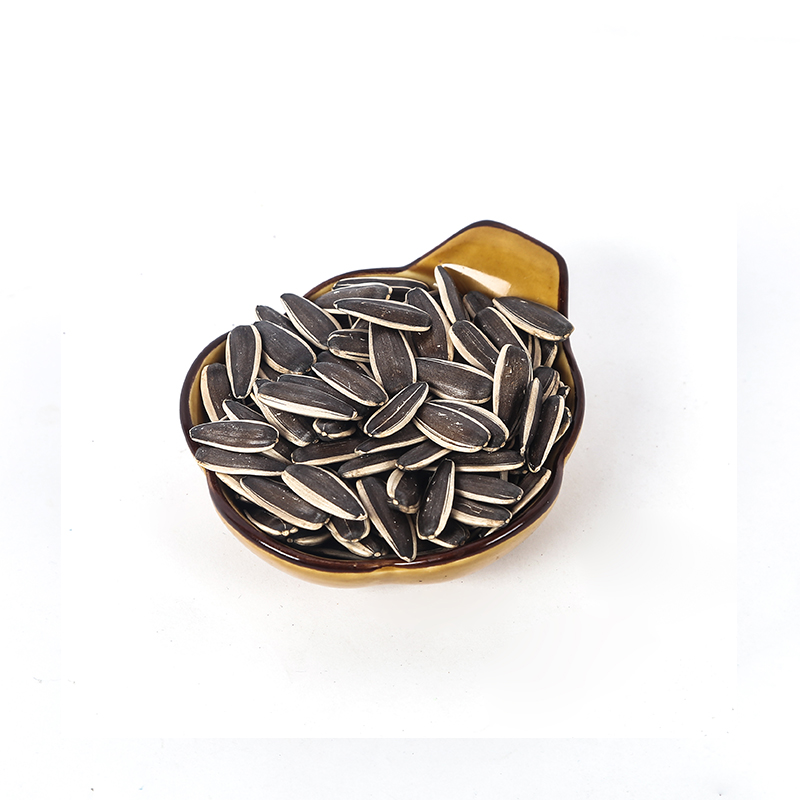
Oven-roasted sunflower seeds represent a significant segment within the global snack food market, increasingly driven by demand for healthier, convenient options. This technical guide focuses on the export of these products, detailing the critical parameters from seed sourcing and processing to packaging, quality control, and relevant international standards. The process is not merely one of applying heat; it's a complex interplay of moisture control, temperature gradients, lipid oxidation management, and flavor development, all crucial for a commercially viable and shelf-stable product. This guide is intended for procurement managers, food technologists, and quality assurance personnel involved in the global trade of oven-roasted sunflower seeds, addressing key industry pain points related to consistent quality, extended shelf life, and compliance with stringent regulatory requirements.
Material Science & Manufacturing
The foundation of quality oven-roasted sunflower seeds lies in the raw material. Sunflower seeds (Helianthus annuus) are composed primarily of lipids (40-50%), proteins (20-25%), carbohydrates (15-20%), and moisture (around 10%). The lipid profile is dominated by linoleic acid, a polyunsaturated fatty acid susceptible to oxidation. Seed variety (e.g., confectionary vs. oilseed) significantly impacts seed size, oil content, and flavor profile. Processing begins with cleaning and grading to remove foreign matter. Roasting, the central operation, involves convective heat transfer within industrial ovens. Key parameters include oven temperature (typically 140-180°C), roasting time (15-30 minutes), and airflow rate. Precise control of these parameters is essential to achieve the desired level of dryness and flavor development while minimizing lipid oxidation and acrylamide formation. Roasting kinetics are governed by Fick's laws of diffusion, with moisture migration from the seed interior to the surface being rate-limiting. Post-roasting processes include cooling, seasoning (salt, flavorings), and packaging. Equipment commonly used includes continuous rotary ovens, fluid bed roasters, and vibratory feeders for uniform seed distribution.

Performance & Engineering
The performance of oven-roasted sunflower seeds is assessed through several key metrics. Moisture content, typically targeted at 2-4%, is critical for shelf life and texture. Water activity (aw), a measure of unbound water, must be below 0.6 to inhibit microbial growth and lipid oxidation. Shear force analysis determines the “snap” or crispness of the seeds, a critical sensory attribute. Peroxide value (PV) and p-anisidine value (AV) quantify the degree of lipid oxidation. Engineering considerations involve oven design to ensure uniform heat distribution and efficient moisture removal. Computational Fluid Dynamics (CFD) modeling can optimize airflow patterns and temperature profiles. Packaging plays a crucial role in preventing moisture reabsorption and oxygen ingress. Materials with low oxygen transmission rates (OTR) and water vapor transmission rates (WVTR), such as multilayer films (e.g., PET/PE), are preferred. Compliance with food safety regulations (HACCP, GMP) is paramount, requiring stringent process control and sanitation procedures. Mechanical strength of packaging is also essential to withstand handling and transportation stresses, preventing product breakage and contamination.
Technical Specifications
| Parameter | Unit | Specification | Test Method |
|---|---|---|---|
| Moisture Content | % | 2.0 – 4.0 | AOAC 925.10 |
| Water Activity (aw) | - | < 0.6 | ISO 21517 |
| Peroxide Value (PV) | meq O2/kg | < 5.0 | GB 5009.3 |
| p-Anisidine Value (AV) | - | < 20 | GB 5009.3 |
| Broken Kernel Rate | % | < 5.0 | Visual Inspection |
| Foreign Material | % | < 0.1 | Visual Inspection |
Failure Mode & Maintenance
Failure modes in oven-roasted sunflower seeds primarily relate to quality degradation during storage. Rancidity, caused by lipid oxidation, is a common issue, leading to off-flavors and reduced consumer acceptance. This is accelerated by exposure to oxygen, light, and elevated temperatures. Moisture regain can result in a loss of crispness and promote microbial growth, leading to mold or spoilage. Mechanical damage during handling and transportation can cause kernel breakage, reducing product appeal. Packaging failure (e.g., seal integrity) can compromise product protection. Preventative maintenance of roasting equipment is crucial, including regular cleaning to remove seed residue and calibration of temperature sensors. Oven airflow should be checked for uniformity. Packaging equipment should be inspected for proper sealing mechanisms. Storage conditions should be controlled – cool (below 25°C), dry (relative humidity < 60%), and dark. A robust quality control program, including regular sensory evaluations and chemical analyses (PV, AV, moisture content), is essential for detecting and addressing quality issues.
Industry FAQ
Q: What is the optimal roasting temperature range to minimize acrylamide formation while achieving acceptable flavor development?
A: Acrylamide formation is temperature-dependent, peaking at around 180°C. While higher temperatures enhance flavor development, they also increase acrylamide levels. An optimal range is typically 140-160°C, coupled with shorter roasting times and optimized moisture content control. The use of reducing sugars in seasoning blends can also influence acrylamide formation, necessitating careful formulation adjustments.
Q: How does the initial moisture content of the raw sunflower seeds affect the roasting process and final product quality?
A: Lower initial moisture content generally leads to faster roasting times and a crisper final product. However, excessively dry seeds can burn more easily. An initial moisture content of 8-12% is typically recommended, allowing for efficient moisture migration during roasting without compromising seed integrity.
Q: What packaging materials offer the best barrier properties for maintaining product freshness and extending shelf life?
A: Multilayer films composed of PET/PE or PET/EVOH/PE provide excellent barrier properties against oxygen and moisture. Aluminum foil laminates offer the highest barrier but are more expensive and less transparent. The selection should balance cost, barrier performance, and aesthetic considerations.
Q: What are the critical control points in the roasting process from a food safety perspective?
A: Critical control points include raw material sourcing (seed quality, mycotoxin levels), roasting temperature and time (acrylamide formation, pathogen inactivation), cooling rate (preventing condensation and microbial growth), and packaging integrity (preventing contamination). A well-documented HACCP plan is essential.
Q: What analytical methods are most effective for monitoring lipid oxidation in roasted sunflower seeds during storage?
A: Peroxide value (PV) and p-anisidine value (AV) are commonly used to assess lipid oxidation. Gas chromatography-mass spectrometry (GC-MS) can identify specific oxidation products and provide a more detailed profile of lipid degradation. Sensory evaluation, assessing for rancid flavors, is also crucial.
Conclusion
The export of high-quality oven-roasted sunflower seeds demands a comprehensive understanding of the interplay between material science, processing parameters, and packaging technology. Maintaining consistent quality and extending shelf life hinges on precise control of moisture content, roasting temperatures, and barrier properties. By addressing the core pain points related to lipid oxidation, acrylamide formation, and packaging integrity, exporters can meet the stringent requirements of international markets and deliver a superior product.
Future advancements may focus on novel roasting techniques (e.g., microwave-assisted roasting) to enhance efficiency and minimize undesirable byproducts. Sustainable packaging solutions, utilizing biodegradable or compostable materials, are also gaining importance. Continuous monitoring of industry standards and consumer preferences is vital for maintaining a competitive edge in the evolving snack food landscape.
