Introduction
Roast sunflower seed factories represent a crucial segment within the broader snack food processing industry. These facilities are dedicated to the transformation of raw sunflower seeds into a consumable product, employing a series of complex physical and chemical processes. The core competency lies in optimizing seed selection, cleaning, dehulling, roasting, seasoning, and packaging to meet stringent quality, safety, and flavor standards. This guide provides a detailed technical overview of these factories, focusing on material science, manufacturing processes, performance engineering, potential failure modes, and relevant industry standards. A primary pain point within the industry is maintaining consistent roast quality – ensuring even heat distribution, preventing seed damage, and achieving the desired flavor profile. Another significant challenge is managing foreign material contamination and adhering to increasingly strict food safety regulations. The economic viability of these factories relies on maximizing yield, minimizing waste, and maintaining efficient operational parameters.
Material Science & Manufacturing
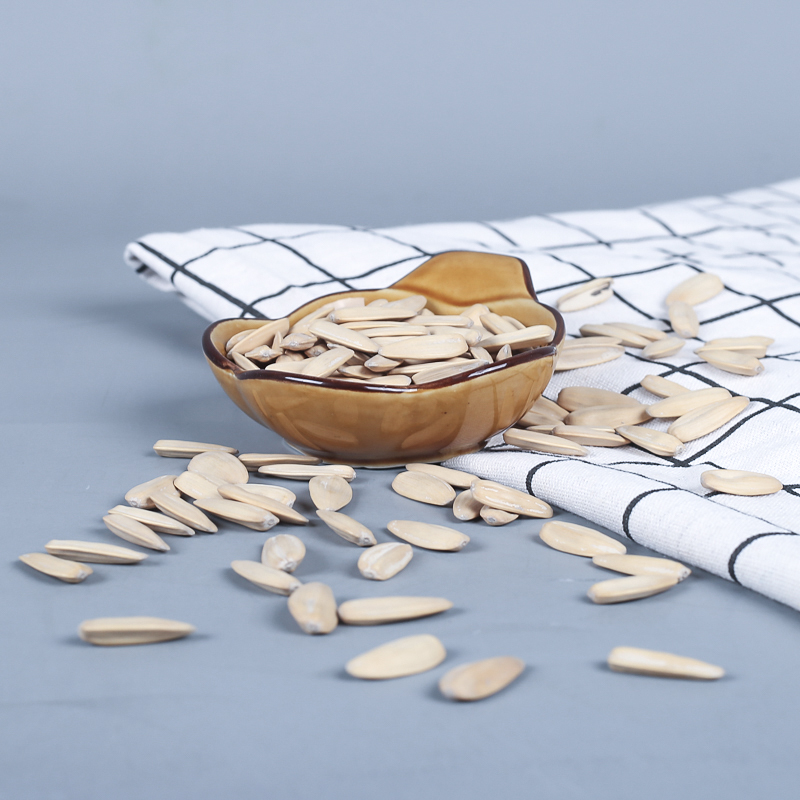
The primary raw material, sunflower seeds ( Helianthus annuus ), exhibits significant variability in composition depending on the cultivar, growing conditions, and harvesting practices. Key physical properties include moisture content (typically 8-12% upon arrival), oil content (42-58% by weight, primarily linoleic acid), protein content (18-25%), and seed size/density. Manufacturing commences with initial seed cleaning, employing air separation, screening, and magnetic separation to remove debris, dust, and metallic contaminants. Dehulling is a critical step, typically accomplished using impact dehullers or abrasive dehullers. Impact dehullers utilize controlled impacts to fracture the hull, while abrasive dehullers employ friction to remove the hull. Parameter control – impact velocity, abrasive surface texture, and seed feed rate – is essential to minimize kernel damage. Roasting, the defining process, employs hot air or conduction heating within rotating drum roasters or fluid bed roasters. Roasting temperature (typically 280-320°F / 138-160°C) and duration (15-30 minutes) are precisely controlled to achieve the desired moisture reduction (reducing to 2-3%), development of characteristic flavor compounds via Maillard reactions, and textural changes. Seasoning utilizes dry or wet application methods. Dry seasoning involves tumbling the roasted seeds with powdered flavorings, while wet seasoning employs a coating slurry. Packaging utilizes materials with excellent moisture barrier properties to prevent rancidity and maintain crispness. Factory construction materials are typically stainless steel (304 or 316 grades) for corrosion resistance and ease of sanitation. Regular cleaning and sanitation employing food-grade detergents and sanitizers are paramount.
Performance & Engineering
Performance of a roast sunflower seed factory is evaluated through several key engineering parameters. Heat transfer efficiency within the roasting system is critical, governed by convection, conduction, and radiation principles. Fluid bed roasters offer superior heat transfer rates compared to drum roasters, but require precise airflow control to prevent seed stratification and uneven roasting. Force analysis focuses on the stresses generated during dehulling and conveying operations. Minimizing impact forces during dehulling reduces kernel breakage. Conveyor systems must be designed to avoid seed attrition and damage. Environmental resistance, particularly humidity control, is essential throughout the facility. High humidity promotes microbial growth and can lead to seed spoilage. Temperature and humidity are meticulously monitored and controlled within processing and storage areas. Compliance requirements encompass numerous food safety regulations, including HACCP (Hazard Analysis and Critical Control Points), GMP (Good Manufacturing Practices), and FSMA (Food Safety Modernization Act). Specific attention is paid to allergen control, preventative controls for food hazards, and robust sanitation protocols. Dust control is also a significant engineering concern, requiring effective ventilation and dust collection systems to prevent explosions and maintain air quality. The design of the packaging line must adhere to packaging material standards and ensure accurate fill weights and secure sealing.
Technical Specifications
| Parameter | Unit | Typical Value | Acceptable Range |
|---|---|---|---|
| Raw Seed Moisture Content | % (wt/wt) | 10 | 8-12 |
| Roasting Temperature | °F | 300 | 280-320 |
| Roasting Time | minutes | 20 | 15-30 |
| Roasted Seed Moisture Content | % (wt/wt) | 2.5 | 2-3 |
| Oil Content (Roasted) | % (wt/wt) | 50 | 45-55 |
| Foreign Material Limit | ppm | 50 | <100 |
Failure Mode & Maintenance
Failure modes in roast sunflower seed factories can be categorized into mechanical, chemical, and biological failures. Mechanical failures include wear and tear on dehulling equipment, leading to increased kernel breakage; bearing failures in rotating machinery (roasters, conveyors); and conveyor belt damage. Chemical failures primarily relate to lipid oxidation (rancidity) in stored seeds, accelerated by exposure to oxygen, light, and heat. Oxidation results in off-flavors and reduced shelf life. Biological failures involve microbial contamination (molds, yeasts, bacteria) leading to spoilage and potential toxin production. Fatigue cracking in roasting drums, often initiated by thermal stress, is a common failure mode. Delamination of seasoning coatings can occur due to inadequate adhesion or moisture absorption. Preventative maintenance is critical. This includes regular lubrication of moving parts, inspection for wear and tear, replacement of worn components, and calibration of sensors and control systems. Oil quality monitoring (peroxide value, acidity) is essential to detect early signs of rancidity. Regular cleaning and sanitation protocols are crucial to prevent microbial growth. Implementation of a predictive maintenance program, utilizing vibration analysis and thermal imaging, can proactively identify potential failures before they occur. Proper storage conditions (cool, dry, dark) are vital to minimize chemical and biological degradation. Regular pest control measures are also essential.
Industry FAQ
Q: What are the critical parameters to control during the roasting process to avoid acrylamide formation?
A: Acrylamide formation is primarily influenced by roasting temperature, time, and moisture content. Lower roasting temperatures (within the acceptable range), shorter roasting times, and maintaining lower moisture content in the seeds prior to roasting significantly reduce acrylamide formation. Careful control of these parameters is crucial, alongside regular monitoring of acrylamide levels in the finished product.
Q: How can we effectively prevent foreign material contamination during seed processing?
A: A multi-stage approach is best. Begin with rigorous supplier qualification and incoming material inspection. Implement robust cleaning procedures using air separators, screens, and magnetic separators. Maintain a clean and sanitary processing environment. Utilize metal detectors and optical sorters to detect and remove remaining contaminants. Regularly inspect and maintain all equipment to prevent debris generation.
Q: What type of packaging material offers the best barrier properties for roasted sunflower seeds?
A: Multi-layer films combining polyethylene (PE), polypropylene (PP), and metallized polyester (PET) offer excellent moisture barrier properties, oxygen barrier properties, and light protection. These materials minimize rancidity and maintain crispness. The thickness and composition of each layer must be optimized for specific product requirements and shelf life expectations.
Q: What are the common causes of uneven roasting, and how can they be addressed?
A: Uneven roasting can stem from inconsistent seed feed rate, inadequate airflow distribution within the roaster, temperature gradients within the roasting chamber, and variations in seed size and density. Proper calibration of feed systems, optimized airflow designs, and careful monitoring of temperature profiles are critical to achieve uniform roasting.
Q: How important is HACCP implementation in a sunflower seed processing facility?
A: HACCP implementation is paramount. It’s not merely important, it's a regulatory requirement in many jurisdictions. It provides a systematic approach to identifying, evaluating, and controlling food safety hazards, ensuring a safe and high-quality product. A well-implemented HACCP plan will cover critical control points throughout the entire process, from raw material sourcing to finished product packaging.
Conclusion
Roast sunflower seed factories necessitate a robust understanding of material science, meticulous process control, and unwavering adherence to food safety standards. Optimizing the roasting process – through precise temperature and time management, coupled with effective moisture control – is crucial for achieving desired flavor profiles and product quality. The challenges of mitigating rancidity and preventing foreign material contamination require proactive measures throughout the entire supply chain and processing operations.
Future advancements will likely focus on implementing more sophisticated sensor technologies for real-time process monitoring, automation to improve efficiency and reduce variability, and sustainable packaging solutions to minimize environmental impact. Continuous improvement, driven by data analysis and a commitment to innovation, is essential for maintaining competitiveness and ensuring long-term success in this dynamic industry.
