Introduction
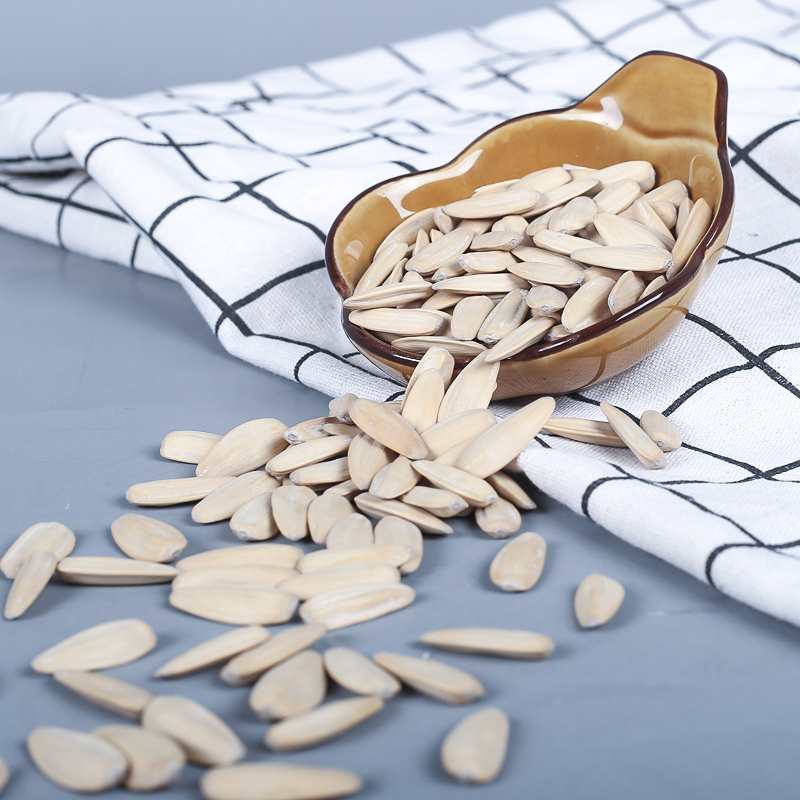
Roasted sunflower seeds represent a significant commodity in the global food industry, particularly for export. This technical guide addresses critical considerations for exporters, focusing on quality control, preservation techniques, regulatory compliance, and logistical challenges. Sunflower seeds ( Helianthus annuus ) are processed through drying, roasting, and seasoning to achieve a palatable and shelf-stable product. The industry faces recurring challenges related to aflatoxin contamination, rancidity development due to lipid oxidation, and maintaining consistent flavor profiles. This guide details the science underpinning these issues and outlines mitigation strategies vital for successful international trade. The core performance characteristics influencing market acceptance include moisture content, oil content, kernel size, foreign matter presence, and the control of acrylamide formation during the roasting process. Successful export relies heavily on adherence to international food safety standards and optimized packaging solutions to ensure product integrity throughout the supply chain.
Material Science & Manufacturing
The raw material, sunflower kernels, comprises approximately 40-50% oil (primarily linoleic acid), 20-30% protein, and 15-25% carbohydrates. The shell, or hull, is typically removed mechanically before roasting, impacting overall product yield and subsequent quality. Roasting is a crucial thermal process affecting seed texture, flavor, and microbial safety. Heat transfer occurs through conduction, convection, and radiation within the roasting equipment, typically industrial fluid bed roasters or rotary drum roasters. Precise temperature control (typically between 120-160°C) and residence time are critical parameters. Insufficient roasting leads to suboptimal texture and potential microbial risks, while excessive roasting promotes acrylamide formation and undesirable flavor development. Seasoning, applied post-roasting, utilizes dry or wet blending techniques with salt, spices, and flavor enhancers. The choice of seasoning and its adhesion properties are crucial for product appeal. Materials used in packaging (typically multi-layer films comprising polyethylene, polypropylene, and aluminum foil) must exhibit excellent barrier properties against oxygen, moisture, and light to prevent rancidity and maintain sensory qualities. The manufacturing process requires robust quality control checkpoints, including kernel sorting, density separation to remove immature seeds, and metal detection systems to ensure food safety.

Performance & Engineering
The performance of roasted sunflower seeds is heavily influenced by physical and chemical stability. Lipid oxidation is the primary degradation pathway, leading to rancidity and off-flavors. The rate of oxidation is governed by temperature, oxygen partial pressure, and the presence of metal ions. Engineering controls to minimize oxidation include nitrogen flushing of packaging, the incorporation of antioxidants (e.g., BHA, BHT, TBHQ – subject to regulatory limits), and the use of oxygen-barrier packaging materials. Mechanical strength is important for minimizing breakage during handling and transport. Kernel hardness, measured using a texture analyzer, correlates with resistance to fracture. Moisture content significantly impacts shelf life and susceptibility to microbial growth. Optimal moisture content is typically between 3-5%. Environmental resistance factors include temperature fluctuations during transport, humidity levels, and potential exposure to contaminants. Compliance requirements, discussed further in the standards section, encompass limits for aflatoxins, heavy metals, and pesticide residues. Force analysis during packaging operations is crucial to ensure the structural integrity of the packaging and prevent damage to the product. Finite element analysis (FEA) can be used to optimize packaging design for compression resistance and impact protection.
Technical Specifications
| Parameter | Unit | Typical Value | Acceptable Range (Export Grade) |
|---|---|---|---|
| Moisture Content | % | 4.0 | 3.0 – 5.0 |
| Oil Content | % | 48.0 | 45.0 – 52.0 |
| Kernel Size (Average) | mm | 10.0 | 8.0 – 12.0 |
| Aflatoxin B1 | ppb | <2 | <4 |
| Peroxide Value | meq O2/kg | 3.0 | <5.0 |
| Foreign Matter | % | 0.5 | <1.0 |
Failure Mode & Maintenance
Common failure modes in roasted sunflower seeds during export include rancidity (caused by lipid oxidation), aflatoxin contamination (due to improper storage of raw materials), textural degradation (resulting from excessive roasting or moisture regain), and packaging failure (leading to product exposure and contamination). Rancidity is often evidenced by off-flavors and aromas, and can be mitigated through antioxidant addition, oxygen barrier packaging, and temperature control. Aflatoxin contamination is a serious health hazard and necessitates stringent quality control of raw materials and proper drying techniques. Textural degradation manifests as a loss of crispness or a gummy texture. Maintenance of equipment, particularly roasters, is critical. This includes regular cleaning to prevent the buildup of residual oil and debris, calibration of temperature sensors, and inspection of heating elements. Preventative maintenance schedules should be established and followed diligently. Proper storage conditions, maintaining low humidity and temperature, are essential for preventing microbial growth and extending shelf life. Regular monitoring of peroxide value and aflatoxin levels is vital for assessing product quality and identifying potential issues.
Industry FAQ
Q: What are the most critical regulatory hurdles for exporting roasted sunflower seeds to the European Union?
A: The EU has strict regulations regarding aflatoxin levels (Regulation (EC) No 1881/2006), pesticide residues (Regulation (EC) No 396/2005), and contaminant limits. Documentation demonstrating compliance with these regulations, including Certificates of Analysis from accredited laboratories, is mandatory. Traceability throughout the supply chain is also a key requirement.
Q: How can we effectively minimize acrylamide formation during the roasting process?
A: Acrylamide formation is influenced by roasting temperature and moisture content. Lowering the roasting temperature and pre-treating seeds with ascorbic acid (Vitamin C) can help reduce acrylamide levels. Careful monitoring of roasting parameters and optimization of the process are crucial.
Q: What packaging materials provide the best barrier properties against oxygen and moisture?
A: Multi-layer films incorporating aluminum foil, polyethylene (PE), and polypropylene (PP) offer excellent barrier properties. Vacuum packaging or nitrogen flushing prior to sealing further enhances protection. The thickness and composition of the film layers directly impact performance.
Q: What is the significance of the peroxide value in assessing sunflower seed quality?
A: The peroxide value is a measure of the extent of lipid oxidation. A higher peroxide value indicates greater oxidation and a higher risk of rancidity. It's a key indicator of product freshness and shelf life.
Q: How does kernel size distribution affect the consistency of the roasting process?
A: Non-uniform kernel size can lead to uneven roasting. Smaller kernels roast faster than larger kernels. Therefore, sorting and grading kernels based on size are crucial for achieving consistent roasting and optimal product quality.
Conclusion
The successful export of roasted sunflower seeds hinges on a comprehensive understanding of the underlying material science, meticulous process control during manufacturing, and strict adherence to international quality and safety standards. Managing lipid oxidation and aflatoxin contamination are paramount concerns, requiring proactive measures throughout the supply chain. Implementing robust quality control protocols, selecting appropriate packaging materials, and optimizing roasting parameters are essential for delivering a consistently high-quality product to global markets.
Continued investment in research and development, particularly in areas such as novel antioxidant technologies and improved packaging solutions, will be crucial for maintaining competitiveness and addressing evolving consumer demands. Furthermore, fostering strong relationships with suppliers and distributors, and prioritizing traceability, are vital for building trust and ensuring long-term success in the international marketplace.
