Introduction
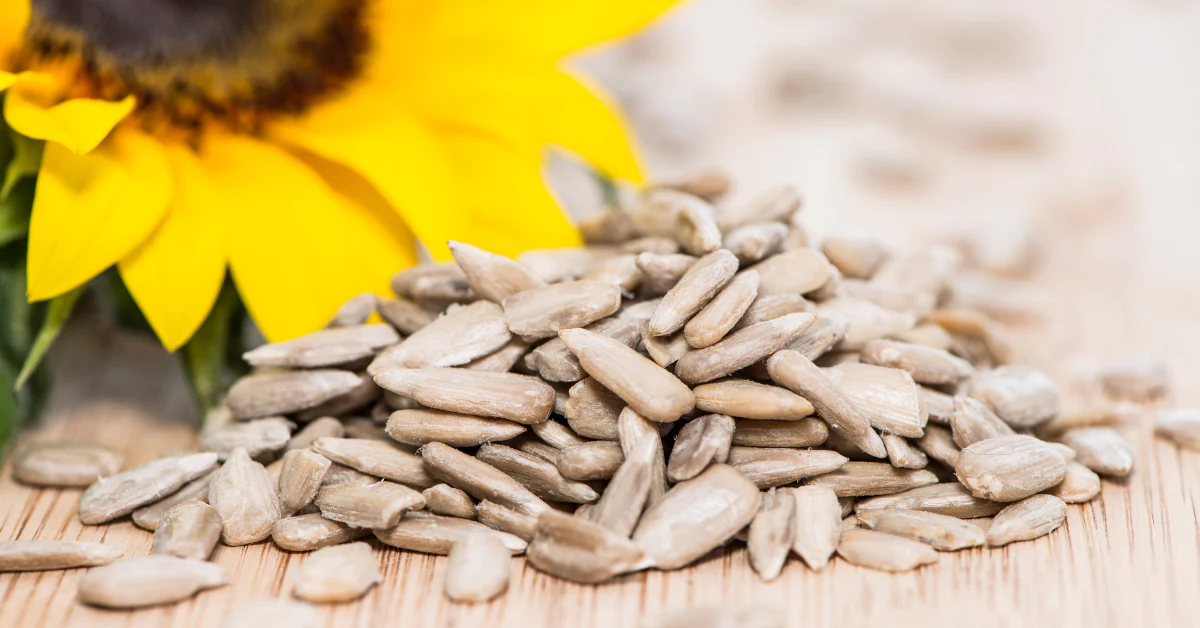
Roast sunflower seeds represent a significant commodity within the global agricultural export market. This technical guide details the critical considerations for exporters, focusing on quality control, processing methodologies, and international compliance. Sunflower seeds ( Helianthus annuus) are valued for their high oil content, nutritional profile, and versatility as both a snack food and an ingredient in various food products. The export process isn’t simply packaging and shipping; it requires a comprehensive understanding of seed maturity, roasting techniques impacting flavor and texture, packaging materials to maintain freshness and prevent rancidity, and adherence to stringent food safety regulations. Core performance metrics revolve around oil content, moisture levels, aflatoxin contamination, and the consistent maintenance of desirable flavor profiles. The primary industry pain point for exporters lies in mitigating pre-harvest and post-harvest losses due to fungal growth, insect infestation, and maintaining consistent quality across large-scale production runs. This guide provides an in-depth assessment of these challenges and best practices for mitigation.
Material Science & Manufacturing
Sunflower seeds are composed primarily of oil (40-50%), protein (20-25%), and carbohydrates (15-20%), with the remaining portion consisting of fiber, minerals, and vitamins. The oil is predominantly linoleic acid (omega-6) and oleic acid (omega-9), impacting oxidative stability. Raw seed quality is dictated by genetic variety, soil composition, and climatic conditions. Manufacturing begins with harvesting, typically performed mechanically. Post-harvest drying is crucial, reducing moisture content to approximately 8-10% to inhibit mold growth. Roasting is the critical processing step. This is typically done using hot air ovens or rotary drum roasters. Key parameters include roasting temperature (120-160°C), duration (20-40 minutes), and airflow. Precise control of these parameters is essential to develop desired flavor compounds (pyrazines, aldehydes, ketones) without inducing excessive oil oxidation or acrylamide formation. The Maillard reaction, a non-enzymatic browning reaction between amino acids and reducing sugars, plays a pivotal role in flavor development. Post-roasting, seeds are often seasoned with salt or other flavorings, followed by cooling and packaging. Packaging materials are paramount, with multi-layer films utilizing polyethylene, polypropylene, and aluminum foil to provide barrier properties against oxygen, moisture, and light. The physical integrity of the seed coat is also essential for preventing oil leakage and maintaining seed shape during handling and transportation.
Performance & Engineering
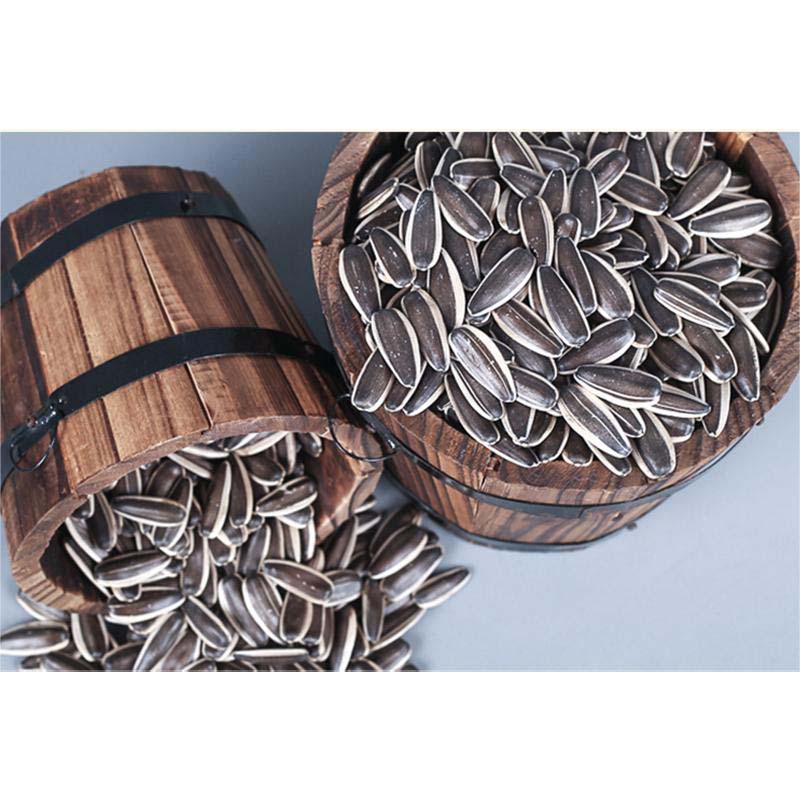
Performance analysis of roast sunflower seeds centers around several key engineering principles. Firstly, the shear strength of the seed coat must withstand handling and transportation forces. Force analysis during packaging and shipping requires consideration of compression forces and impact loads. Secondly, the rate of moisture gain post-roasting is a critical indicator of packaging effectiveness. Water Activity (Aw) should be maintained below 0.6 to prevent microbial growth. Thirdly, oxidative stability, measured by the Peroxide Value (PV) and Anisidine Value (AV), dictates shelf life. Higher PV and AV values indicate increased rancidity. Environmental resistance testing includes evaluating the seed’s ability to withstand temperature fluctuations during storage and transport (simulating tropical and temperate climates). Compliance requirements are extensive, encompassing food safety regulations (FDA in the US, EFSA in Europe), aflatoxin limits (typically < 20 ppb), and labeling regulations regarding allergens and nutritional information. Packaging engineering must consider gas permeability (oxygen transmission rate – OTR, water vapor transmission rate – WVTR) to optimize shelf life. The engineering of roasting equipment focuses on achieving uniform heat distribution and precise temperature control to minimize variations in product quality. Hygroscopic expansion and contraction due to moisture changes are also factored into packaging design to prevent bag rupture.
Technical Specifications
| Parameter | Unit | Typical Range (Export Grade) | Testing Method |
|---|---|---|---|
| Oil Content | % (Dry Weight Basis) | 48-58% | Soxhlet Extraction (AOAC 920.39) |
| Moisture Content | % | 8-10% | Oven Drying (AOAC 925.10) |
| Aflatoxin B1 | ppb | < 20 ppb | HPLC with Immunoaffinity Column (AOAC 991.31) |
| Free Fatty Acids (FFA) | % (Oleic Acid Basis) | < 0.2% | Titration (AOCS Cd 3-63) |
| Peroxide Value (PV) | meq O2/kg | < 5 meq O2/kg | Titration (AOCS Cd 8-53) |
| Water Activity (Aw) | - | < 0.6 | Water Activity Meter (e.g., Rotronic) |
Failure Mode & Maintenance
Failure modes in roast sunflower seeds primarily relate to quality degradation during storage and transport. Rancidity, caused by lipid oxidation, is a major concern, leading to off-flavors and reduced nutritional value. This is exacerbated by exposure to oxygen, light, and elevated temperatures. Aflatoxin contamination, arising from fungal growth ( Aspergillus flavus and Aspergillus parasiticus), is a critical food safety hazard. Physical damage during handling, such as seed coat cracking, increases susceptibility to oxidation and insect infestation. Delamination of the seed coat can occur due to excessive roasting or improper drying. Maintenance protocols include strict adherence to Good Manufacturing Practices (GMPs), regular monitoring of storage conditions (temperature, humidity), and implementation of a Hazard Analysis and Critical Control Points (HACCP) plan. Preventative measures against fungal growth involve proper drying, storage in low-humidity environments, and the use of antifungal treatments (where permitted by regulations). Packaging integrity should be routinely inspected to ensure barrier properties are maintained. Regular laboratory testing for aflatoxins and oil quality parameters is crucial. First-in, First-Out (FIFO) inventory management minimizes storage duration and reduces the risk of quality degradation. Proper cleaning and sanitation of processing equipment prevents cross-contamination.
Industry FAQ
Q: What are the critical differences between high-oleic and linoleic sunflower seeds for export, and how do they affect shelf life?
A: High-oleic sunflower seeds contain a significantly higher proportion of oleic acid (omega-9), a monounsaturated fatty acid. This confers greater oxidative stability compared to linoleic sunflower seeds (rich in linoleic acid, omega-6). Consequently, high-oleic seeds exhibit a substantially longer shelf life and are less prone to rancidity, making them more desirable for export, particularly to markets with long transit times and varying storage conditions. Testing for fatty acid profiles is essential to verify seed type and quality.
Q: What specific packaging materials are recommended to minimize oxygen transmission and maintain seed quality during long-distance shipping?
A: Multi-layer flexible packaging is the industry standard. We recommend a structure comprised of polyethylene (PE) for sealing, polypropylene (PP) for structural integrity, and a layer of aluminum foil for an exceptional oxygen barrier. An external layer of polyester (PET) provides puncture resistance. The thickness of each layer and the overall bag construction should be tailored to the specific shipping conditions and expected storage duration. Modified Atmosphere Packaging (MAP) using nitrogen flushing can further extend shelf life by reducing oxygen levels within the package.
Q: What are the acceptable tolerances for foreign material contamination (e.g., stems, leaves, stones) in export-grade sunflower seeds?
A: Acceptable tolerances vary depending on importing country regulations and buyer specifications. However, a common industry standard is < 0.5% foreign material by weight. Stones and other abrasive materials are strictly prohibited (zero tolerance). Effective cleaning and sorting processes, utilizing screens, air separators, and visual inspection, are crucial to meet these standards. Regular calibration and maintenance of cleaning equipment are essential.
Q: How do different roasting profiles (temperature, duration) impact the flavor profile and acrylamide formation in sunflower seeds?
A: Lower roasting temperatures (120-140°C) and shorter durations generally produce a milder, nuttier flavor. Higher temperatures (150-160°C) and longer durations result in a more intense, roasted flavor but also increase the risk of acrylamide formation, a potentially harmful compound. Precise control of roasting parameters and the addition of asparaginase (an enzyme that reduces acrylamide precursors) can help mitigate this risk. Regular acrylamide testing is recommended.
Q: What are the key logistical considerations for maintaining seed quality during transport, particularly regarding temperature and humidity control?
A: Maintaining a consistent temperature below 25°C and relative humidity below 60% during transport is critical. Refrigerated containers (“reefers”) are often necessary for long-distance shipments, especially to tropical climates. Proper ventilation within the container prevents condensation and fungal growth. Monitoring temperature and humidity throughout the journey using data loggers provides valuable information for identifying and addressing potential issues. Avoid stacking pallets too high, which can restrict airflow.
Conclusion
Exporting roast sunflower seeds demands meticulous attention to detail across the entire supply chain, from seed selection and processing to packaging and transportation. Maintaining optimal oil content, minimizing aflatoxin contamination, and ensuring consistent flavor profiles are paramount to meeting international quality standards and customer expectations. Effective quality control systems, incorporating rigorous testing and adherence to GMPs and HACCP principles, are non-negotiable for successful market entry and sustained competitiveness.
The future of the sunflower seed export market will likely be shaped by increasing consumer demand for healthy snack foods and the growing emphasis on sustainable agricultural practices. Exporters who prioritize traceability, responsible sourcing, and innovative packaging solutions will be well-positioned to capitalize on these trends. Continued research into optimizing roasting parameters to minimize acrylamide formation and enhance oxidative stability will also be crucial for improving product quality and extending shelf life.
