Advanced wet food packaging solutions represent a monumental leap forward in commercial food preservation. In the gastronomic industry, the paramount challenge has always been extending the shelf life of perishable goods while meticulously preserving their nutritional integrity, original texture, and complex flavor profiles. For over a century, the traditional metal can stood as the undisputed champion of commercial food preservation. However, as consumer palates have become more sophisticated and the demand for premium ready-to-eat meals, gourmet sauces, and high-quality processed meats has surged, the limitations of traditional canning have become glaringly apparent. Today, the culinary world is witnessing a massive paradigm shift, driven by advanced material science, toward high-performance flexible packaging solutions.
The Culinary Drawbacks of Traditional Thermal Processing
To understand the revolutionary nature of modern packaging, one must first examine the mechanics of commercial sterilization. To achieve commercial sterility—meaning the food can be stored safely at room temperature for extended periods without bacterial growth—the product must be subjected to intense heat, typically around 121°C (250°F) or higher under extreme pressure. This process, known as retorting, is essential for eliminating harmful pathogens.
In traditional metal cans, the rigid, cylindrical shape and the thickness of the steel or aluminum create a significant barrier to heat transfer. For the heat to penetrate all the way to the geometric center of the can (the cold spot), the food near the outer walls must be subjected to high temperatures for a prolonged period. This prolonged thermal exposure inevitably leads to overcooking. From a culinary perspective, this destroys delicate vitamins, breaks down cellular structures resulting in mushy textures, and triggers excessive Maillard reactions, which can lead to off-flavors or a distinctly "canned" taste. Furthermore, highly acidic foods can occasionally interact with the metal over time, subtly altering the product's flavor profile.
Engineering Superior Heat Penetration and Preservation
The solution to these thermal processing challenges lies in the elegant geometry and sophisticated material composition of flexible packaging. Because a pouch is relatively flat and has a much thinner profile than a can, the distance from the heat source to the center of the food is drastically reduced. This allows for rapid and uniform heat penetration. The thermal processing time is cut significantly, meaning the food is sterilized quickly without being subjected to the prolonged, flavor-destroying heat of traditional canning. The result is a product that retains its vibrant natural colors, firm textures, and authentic taste.
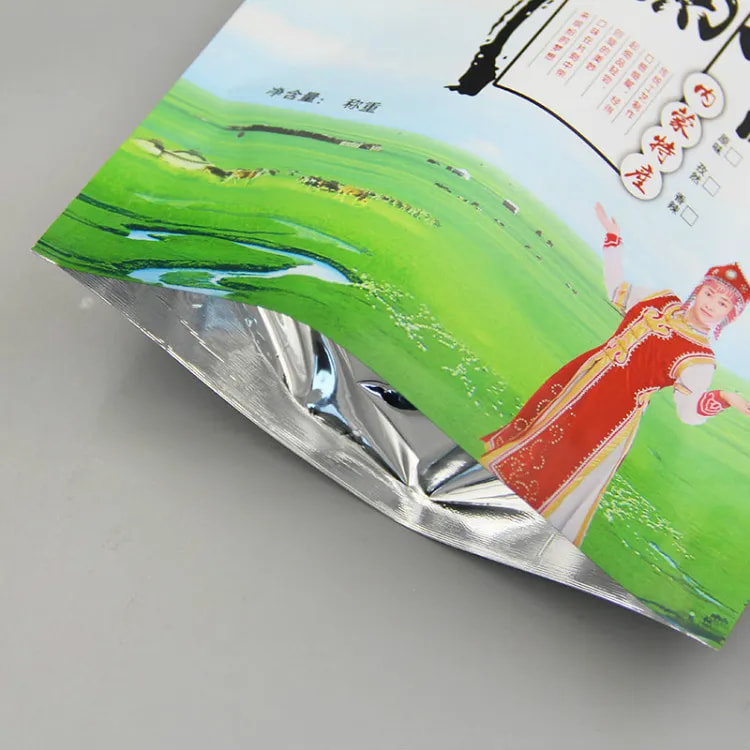
Achieving this requires extraordinary material engineering. For premium culinary applications, the multi-layered alu pouch structure is often the gold standard. A high-quality flexible pouch is a complex matrix designed to perform under extreme stress. The outer layer is typically Polyester (PET), chosen for its excellent dimensional stability and high heat resistance. The core layer is an Aluminum (Al) foil, which serves as the ultimate, impenetrable barrier against oxygen, moisture, and ultraviolet light—the primary catalysts for oxidation and lipid rancidity. The inner food-contact layer is formulated from Cast Polypropylene (CPP) to create a flawless, hermetic heat-seal that withstands the intense pressure variations of the autoclave without delaminating.
Operational and Aesthetic Advantages for Retailers
Beyond culinary preservation, flexible packaging offers massive operational advantages for the retail and catering sectors. Flexible pouches weigh approximately 90% less than equivalent metal cans. This ultra-lightweight profile translates into significantly lower transportation costs and a dramatically reduced carbon footprint. Furthermore, flexible pouches occupy minimal space when empty, freeing up valuable warehouse real estate before the filling process begins.
In the retail environment, consumer psychology plays a crucial role. Modern packaging allows for innovative, stylish designs that appeal to today's discerning shoppers. Stand-up pouches offer excellent billboard space for high-resolution graphics, building immediate consumer trust. When premium culinary goods are packaged and presented for sale in supermarkets or specialty food boutiques, the external presentation must flawlessly communicate the artisanal quality hidden within.
Partnering with Elite Industry Innovators
The exacting demands of thermal sterilization mean there is absolutely no margin for error in the packaging's construction. A single microscopic pinhole or a weak seal can lead to total product spoilage and severe brand damage. Therefore, elite food and beverage brands must align their supply chains with specialized suppliers of high-barrier materials.
A premium manufacturer invests heavily in intelligent manufacturing systems, utilizing multifunctional bag-making machinery and rigorous ISO 9001:2015 quality control protocols. By integrating these exquisite, high-tech packaging formats provided by an advanced supplier, the food industry can confidently deliver unparalleled freshness and culinary excellence to households worldwide, ensuring that every meal opens as fresh as the moment it was sealed in the professional kitchen.
