Introduction
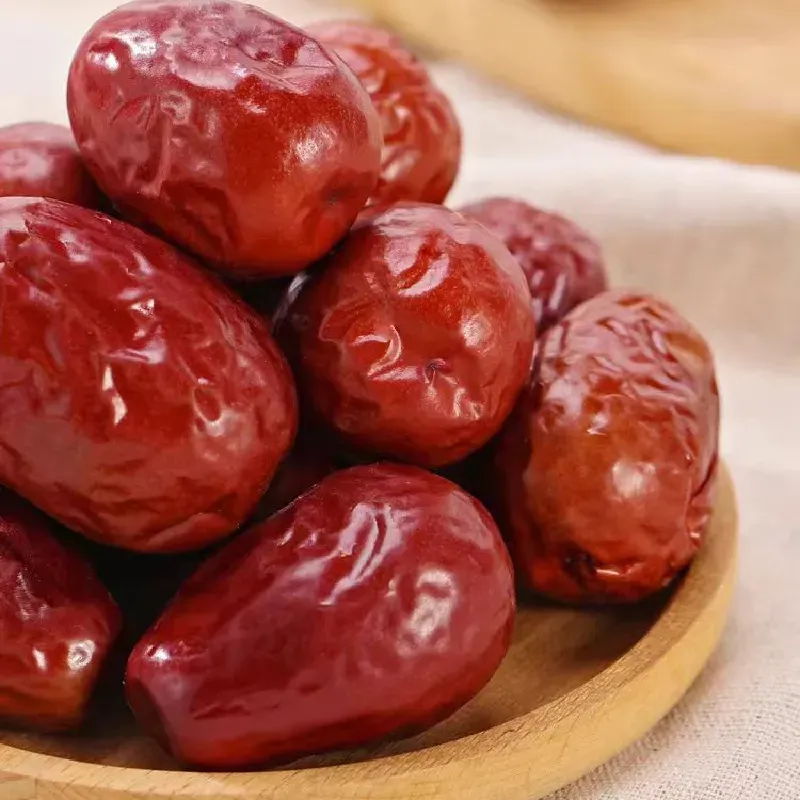
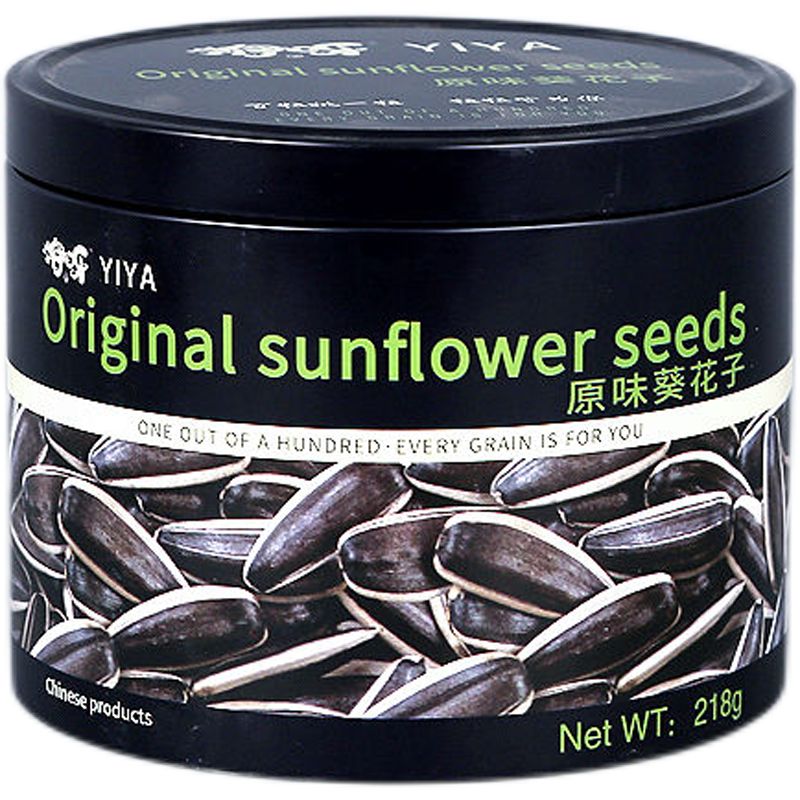
Red date flavored sunflower seeds represent a significant segment within the broader snack food industry, particularly catering to the growing demand for flavored and healthy snacking options. Sunflower seeds, inherently rich in vitamin E, magnesium, and healthy fats, gain enhanced market appeal through flavor infusions like red date, a traditional Chinese ingredient valued for its sweetness and perceived health benefits. Suppliers in this sector are responsible for sourcing high-quality sunflower seeds, precise flavoring application, maintaining strict quality control to prevent aflatoxin contamination, and adherence to both domestic and international food safety regulations. This guide provides an in-depth technical overview of the material science, manufacturing processes, performance characteristics, potential failure modes, and relevant industry standards for red date flavored sunflower seeds, targeted towards procurement managers and quality control engineers within the food processing and distribution industries. The primary challenge for suppliers lies in balancing flavor intensity, seed integrity, and shelf-life stability, alongside consistently meeting stringent regulatory requirements.
Material Science & Manufacturing
The core material is the sunflower seed kernel (Helianthus annuus), primarily composed of 40-50% oil (linoleic acid being the predominant fatty acid), 20-30% protein, and significant amounts of fiber and carbohydrates. Seed quality is critically dependent on genotype, growing conditions, and post-harvest handling. Raw seeds undergo a series of processing steps. First, dehulling removes the outer shell. Next, size grading separates seeds based on dimensions for uniformity. Following this is drying, typically employing fluid bed dryers to reduce moisture content to 7-9% to inhibit mold growth. The flavoring process involves a two-stage approach. Initially, a base coating, often comprising maltodextrin, dextrose, and food-grade gums (acacia, guar) is applied to improve adhesion of the flavor compounds. The red date flavor is derived from concentrated red date juice (Ziziphus jujuba) often further enhanced with artificial or natural flavorings to achieve desired intensity and aroma. Encapsulation techniques, such as spray drying or extrusion, are used to protect volatile flavor components and ensure uniform distribution. Critical parameters in manufacturing include drying temperature (to avoid oil rancidity), coating viscosity (for even coverage), and flavoring concentration (for consistent taste profile). Control of water activity (aw) is paramount, typically maintained below 0.6 to prevent microbial spoilage. Packaging utilizes multi-layer films (PET/PE or PET/Al/PE) to provide barrier protection against oxygen, moisture, and light.
Performance & Engineering
The performance of red date flavored sunflower seeds is assessed through several key metrics. First, sensory evaluation, employing trained panels, quantifies flavor intensity, sweetness, and overall acceptability. Texture analysis, using instruments like a TA.XTplus, measures hardness, crunchiness, and fracturability, impacting consumer perception. Shelf-life stability is a critical engineering concern. Accelerated shelf-life testing, involving storage at elevated temperatures (30-40°C) and humidity (75-85%), predicts rancidity development (measured by peroxide value), flavor degradation (assessed by gas chromatography-mass spectrometry – GC-MS), and moisture uptake. Packaging material selection dictates oxygen transmission rate (OTR) and water vapor transmission rate (WVTR), directly influencing shelf life. Mechanical strength of the seed kernel is evaluated via compression testing to understand its resistance to breakage during handling and transport. Compliance with food safety regulations, including limits on aflatoxin B1 (regulated by FDA and EFSA), is non-negotiable. The engineering challenge lies in optimizing the coating formulation and packaging to maximize shelf life while maintaining the desired sensory attributes and nutritional value. Understanding the force required to crack the seed also informs processing and packaging design to minimize damage.
Technical Specifications
| Parameter | Specification | Test Method | Typical Tolerance |
|---|---|---|---|
| Moisture Content | ≤ 8.0% | Oven Drying (AOAC 925.10) | ± 0.5% |
| Oil Content | 40-55% (dry basis) | Soxhlet Extraction (AOAC 920.39) | ± 2% |
| Aflatoxin B1 | ≤ 2 ppb | ELISA or HPLC | N/A (Regulatory Limit) |
| Red Date Flavor Intensity | 50-70 ppm (as jujubic acid equivalent) | HPLC-UV | ± 5 ppm |
| Water Activity (aw) | ≤ 0.6 | Water Activity Meter | ± 0.02 |
| Particle Size (Kernel) | 80-90% > 10mm | Sieve Analysis | ± 5% |
Failure Mode & Maintenance
Common failure modes in red date flavored sunflower seeds include rancidity (oxidative degradation of oils leading to off-flavors), flavor loss (due to volatilization or reaction with other compounds), seed cracking (mechanical damage during processing or transport), and microbial spoilage (primarily mold growth due to insufficient moisture control). Rancidity is accelerated by high temperatures, light exposure, and oxygen presence. Flavor loss is mitigated through encapsulation and appropriate packaging. Seed cracking is minimized by optimizing handling procedures and ensuring proper packaging cushioning. Aflatoxin contamination, caused by Aspergillus flavus and Aspergillus parasiticus, is a significant safety concern and requires rigorous quality control throughout the supply chain. Maintenance strategies involve implementing a robust HACCP (Hazard Analysis and Critical Control Points) plan, regular monitoring of moisture content and aw, proper storage conditions (cool, dry, dark), and effective pest control. Packaging integrity checks are essential to prevent oxygen and moisture ingress. Regular sensory evaluations can detect subtle changes in flavor and aroma, indicating early stages of degradation. Supplier audits are crucial to verify adherence to quality standards and food safety protocols.
Industry FAQ
Q: What is the primary factor influencing the shelf life of your red date flavored sunflower seeds?
A: The primary factor is control of water activity (aw) and oxygen exposure. Maintaining aw below 0.6 and utilizing packaging with a low OTR are critical to preventing microbial growth and rancidity, respectively. The type of oil also influences shelf life, with higher linoleic acid content being more susceptible to oxidation.
Q: How do you ensure aflatoxin levels remain within regulatory limits?
A: We implement a comprehensive aflatoxin control program beginning with sourcing seeds from reputable suppliers with documented quality control procedures. This includes rigorous testing of raw materials and finished products using ELISA or HPLC. We also employ proper drying and storage practices to minimize mold growth and aflatoxin production.
Q: What type of coating formulation do you use to ensure even flavor distribution and adhesion?
A: We utilize a blend of maltodextrin, dextrose, and food-grade gums (acacia and guar) as the base coating. The precise ratio is proprietary, but it’s optimized to provide excellent adhesion to the seed surface and uniform distribution of the red date flavor compounds, which are often encapsulated for enhanced stability.
Q: Can you provide data on the OTR and WVTR of your packaging materials?
A: Yes, our standard packaging utilizes a PET/PE laminate with an OTR of ≤ 2 cm3/m2/day and a WVTR of ≤ 2 g/m2/day at 25°C and 60% relative humidity. We can provide detailed specifications and testing reports upon request.
Q: What quality control measures are in place to prevent seed cracking during processing and transportation?
A: We employ gentle handling procedures throughout the processing line, including cushioned conveyors and controlled drop heights. Seed size grading minimizes damage during coating and packaging. Packaging is designed to provide adequate cushioning and protection during transportation, and we conduct regular vibration testing to ensure package integrity.
Conclusion
The production of high-quality red date flavored sunflower seeds requires a nuanced understanding of material science, meticulous process control, and unwavering adherence to food safety regulations. Maintaining optimal moisture content, minimizing oxygen exposure, and implementing robust aflatoxin control measures are paramount to ensuring product quality, shelf-life stability, and consumer safety. Successful suppliers differentiate themselves through consistent quality, effective supply chain management, and a commitment to continuous improvement in flavor delivery and product innovation.
Future trends in this sector will likely focus on the development of more sustainable packaging materials, exploration of natural flavor encapsulation techniques, and the implementation of real-time monitoring systems for quality control throughout the supply chain. Meeting evolving consumer preferences for healthier and more convenient snack options will necessitate ongoing research and development efforts by both suppliers and manufacturers.
