Introduction
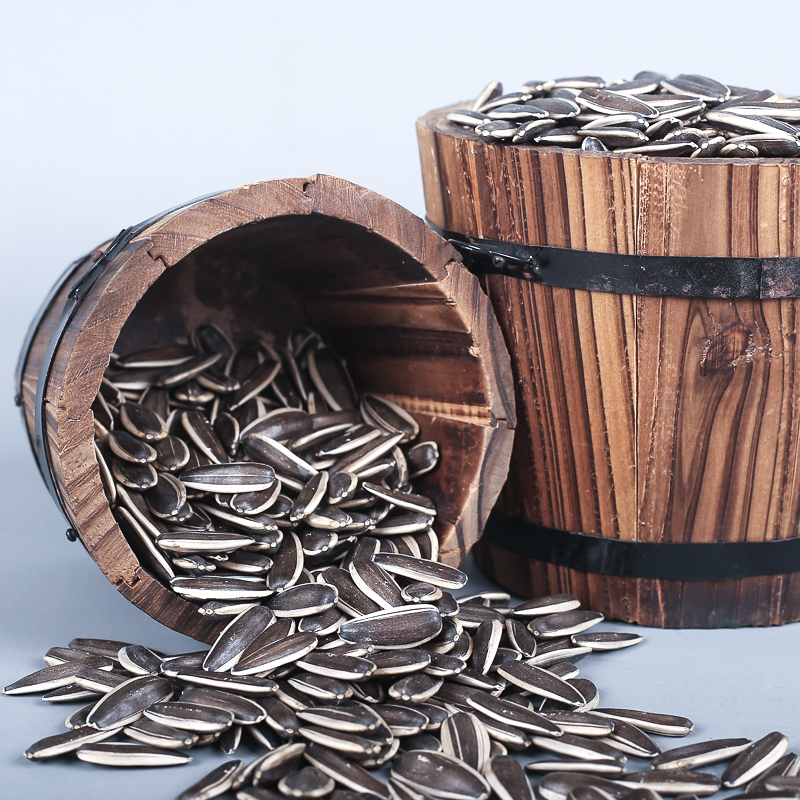
Red date flavored sunflower seeds represent a significant product category within the broader snack food industry, specifically within the seasoned seed market. These seeds are not merely a confection but a complex agricultural product undergoing post-harvest processing, flavor infusion, and quality control to meet consumer demands for taste, texture, and nutritional value. From a supply chain perspective, they bridge the agricultural sector with food processing and distribution networks, demanding robust quality assurance protocols. The technical positioning involves precise control over seed quality (kernel size, oil content), date paste characteristics (sugar content, viscosity, microbial load), and the adhesion/retention of flavoring during processing. Core performance metrics revolve around palatability, shelf-life stability (minimizing rancidity), and consistent flavor profile – factors crucial for brand reputation and repeat business. A key pain point for industrial buyers is ensuring consistent quality and flavor intensity across large volumes, coupled with adherence to food safety regulations and traceability requirements.
Material Science & Manufacturing
The primary raw material, sunflower seeds ( Helianthus annuus), possess a unique composition. Kernel oil content typically ranges from 42-58%, impacting flavor carrier capacity and shelf-life. Protein content (20-25%) contributes to structural integrity. Moisture content, critically controlled at ~8-12%, affects texture and susceptibility to microbial growth. Red date paste, derived from the fruit of Ziziphus jujuba, provides the characteristic flavor. Its sugar content (primarily fructose and glucose) dictates sweetness, while pectin contributes to viscosity and adhesion. Manufacturing begins with seed selection based on kernel size and quality. Cleaning removes debris, followed by dehulling and drying to optimal moisture levels. Flavoring is typically applied through a tumbling process, utilizing a controlled quantity of red date paste. Critical parameters include tumbler speed (impacts coating uniformity), paste viscosity (determines adhesion), and coating time (influences flavor intensity). Post-coating, seeds undergo further drying to ensure paste sets properly and prevent clumping. Packaging utilizes materials with low oxygen transmission rates (OTR) to inhibit oxidation and maintain flavor. Controlling the seed's water activity (Aw) is paramount to prevent microbial proliferation during storage.
Performance & Engineering
Performance analysis hinges on the mechanical properties of the coated seed. The shell’s tensile strength must withstand handling during packaging and transit. Flavor adhesion is evaluated via shear force testing, quantifying the force required to remove the date paste coating. Environmental resistance is critical – specifically, resistance to moisture absorption (influencing clumping) and temperature fluctuations (affecting paste texture). Compliance requirements dictate adherence to food safety standards (see footer). From an engineering perspective, tumbler design is optimized for uniform coating, utilizing computational fluid dynamics (CFD) modeling to ensure even paste distribution. Drying processes employ controlled temperature and airflow to minimize kernel damage and maintain flavor volatiles. Packaging material selection considers barrier properties (OTR, WVTR) to maximize shelf-life. Quality control involves regular monitoring of moisture content, oil content, and microbial load throughout the production process. Furthermore, optimizing the ratio of seed surface area to coating thickness is essential for delivering a consistent flavor experience. Fatigue cracking of the shell during processing must be minimized through controlled impact forces in the dehulling and sorting stages.
Technical Specifications
| Parameter | Unit | Specification | Test Method |
|---|---|---|---|
| Kernel Oil Content | % | 48-55 | Soxhlet Extraction (AOCS Official Method) |
| Moisture Content (Kernel) | % | 8-12 | Oven Drying Method (AACC Method) |
| Red Date Paste Sugar Content (Total) | % Brix | 65-75 | Refractometry |
| Coating Adhesion (Shear Force) | N | > 2.0 | Texture Analyzer |
| Water Activity (Aw) | - | < 0.75 | Water Activity Meter |
| Peroxide Value (Rancidity Indicator) | meq O2/kg | < 10 | AOCS Official Method |
Failure Mode & Maintenance
Common failure modes include rancidity due to lipid oxidation, leading to off-flavors and reduced shelf-life. This is accelerated by high temperatures, exposure to oxygen, and high moisture content. Coating delamination occurs due to insufficient adhesion, often stemming from improper paste viscosity or inadequate drying. Shell cracking during processing or handling can introduce foreign matter and compromise product integrity. Microbial contamination (mold growth) can occur if moisture content is not adequately controlled. Flavor degradation over time is another concern, particularly loss of volatile aroma compounds. Maintenance solutions involve strict temperature control during storage and transport, utilizing oxygen-barrier packaging, and employing robust quality control measures to ensure consistent paste viscosity and adequate drying. Regular monitoring of peroxide value is crucial for detecting rancidity. Proper cleaning and sanitation of processing equipment are essential to prevent microbial contamination. Preventative maintenance on tumblers and drying equipment reduces the risk of mechanical failures leading to shell damage. Periodic sensory evaluation helps identify subtle changes in flavor profile.
Industry FAQ
Q: What is the typical shelf-life of your red date flavored sunflower seeds, and what factors influence it?
A: Typically, our product boasts a shelf-life of 9-12 months when stored under recommended conditions (cool, dry place, away from direct sunlight). Key factors influencing shelf-life are moisture content (critical for preventing microbial growth), oxygen permeability of the packaging (minimizing oxidation), and storage temperature. We employ oxygen-absorbing sachets within the packaging to further extend shelf-life.
Q: Can you provide data on the variability of red date flavor intensity across different production batches?
A: We maintain tight control over the red date paste application process. Batch-to-batch variability in flavor intensity is consistently within ±5%, as measured by a trained sensory panel utilizing a standardized scoring system. We also conduct regular HPLC analysis to quantify key flavor compounds in the paste, ensuring consistency.
Q: What quality control measures do you have in place to prevent aflatoxin contamination in the sunflower seeds?
A: We source sunflower seeds only from suppliers with certified aflatoxin control programs. Incoming raw materials undergo rigorous testing for aflatoxins using ELISA and HPLC methods. We also implement Good Manufacturing Practices (GMP) throughout the processing facility to minimize the risk of contamination.
Q: Your packaging lists multiple allergens. Are there any measures taken to prevent cross-contamination during manufacturing?
A: Our facility handles multiple allergenic ingredients. We employ a dedicated allergen control program that includes strict segregation of raw materials, thorough cleaning and sanitation of equipment between production runs, and regular allergen swabbing to verify cleaning effectiveness. We adhere to HACCP principles to mitigate cross-contamination risks.
Q: What is your capacity for custom flavor formulations beyond red date? Can you accommodate requests for different sweetness levels or spice additions?
A: We have a dedicated R&D team and flexible manufacturing capabilities to accommodate custom flavor formulations. We can adjust sweetness levels by modifying the red date paste concentration or incorporating other sweeteners. Spice additions are readily achievable, and we offer a range of flavoring options. Minimum order quantities apply for custom formulations.
Conclusion
Red date flavored sunflower seeds represent a product where meticulous control over material science, manufacturing processes, and quality assurance are paramount. Achieving consistent flavor, maximizing shelf-life, and ensuring food safety require a holistic approach encompassing seed selection, paste formulation, coating application, drying techniques, and packaging materials. Understanding the interplay between these factors is crucial for suppliers seeking to meet the demands of a discerning market.
Moving forward, advancements in coating technologies (e.g., encapsulation of flavor volatiles) and packaging materials (e.g., active packaging with oxygen scavengers) will likely play an increasingly important role in enhancing product quality and extending shelf-life. Continued investment in analytical techniques for monitoring key quality parameters and implementing robust allergen control programs will be essential for maintaining consumer trust and regulatory compliance.
