Introduction
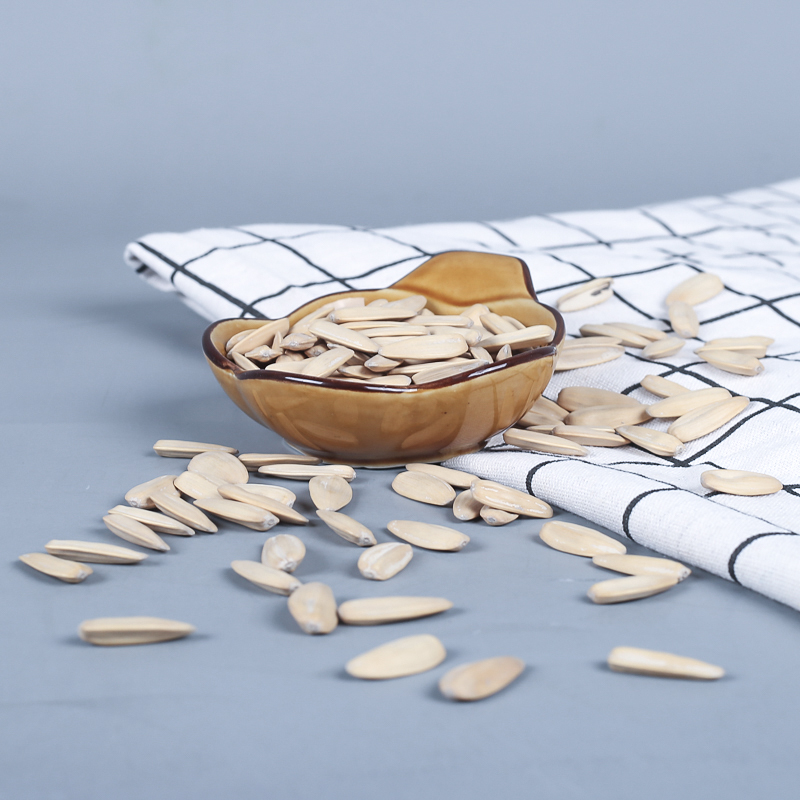
Red date flavored sunflower seeds represent a significant segment within the broader snack food industry, specifically categorized as seasoned seeds. These products bridge the gap between traditional sunflower seed consumption and the demand for flavored, convenience-oriented snacks. Technically, their production involves a multi-stage process encompassing seed selection, roasting, seasoning application, and packaging. The key performance indicators for these seeds revolve around flavor profile consistency, seed integrity (minimizing broken kernels), oil content, moisture level, and adherence to food safety standards. A major industry pain point centers on maintaining a consistent flavor coating without compromising seed crunch and preventing rancidity due to oxidation of the unsaturated oils within the seeds. Furthermore, sourcing high-quality sunflower seeds with optimal oil content and minimal defects is a continuous challenge for manufacturers.
Material Science & Manufacturing
The primary raw material, sunflower seeds ( Helianthus annuus), are composed of approximately 35-50% oil (primarily linoleic acid), 20-25% protein, 15-20% carbohydrate (primarily cellulose), and 5-10% moisture. Seed quality varies based on cultivar, growing conditions, and post-harvest handling. Red date flavoring is derived from the dried fruit of the jujube tree (Ziziphus jujuba), containing sugars (glucose, fructose), organic acids, and various polyphenols contributing to its characteristic flavor. The manufacturing process begins with seed cleaning and grading to remove foreign materials and broken kernels. Roasting, typically conducted at temperatures between 140-160°C, reduces moisture content, develops flavor, and improves texture. Precise temperature control is crucial to prevent scorching and maintain oil quality. The flavoring stage involves applying a coating comprised of red date powder, sugar, salt, and potentially other additives (e.g., maltodextrin, flavor enhancers). This is often achieved using a rotating drum or fluidized bed coater, ensuring even distribution. Finally, the seeds are cooled, packaged in moisture-proof barrier films (typically multi-layer polypropylene or polyethylene), and sealed under modified atmosphere (nitrogen flushing) to extend shelf life. Parameter control during roasting – temperature, time, and airflow – is critical for achieving the desired seed crispness and preventing lipid oxidation. The homogeneity of the red date powder and its dispersion within the coating solution also significantly affect flavor consistency.
Performance & Engineering
The performance of red date flavored sunflower seeds is assessed through several engineering parameters. Shear force analysis determines the seed's crunchiness; higher force values indicate a harder, crisper seed. Moisture content, ideally below 5%, is critical for preventing microbial growth and maintaining texture. Water Activity (Aw) is a more precise metric, aiming for a value below 0.6. Flavor adhesion strength, measured using tensile testing on coated seeds, dictates the coating's durability during handling and consumption. Environmental resistance focuses on the packaging's barrier properties – Oxygen Transmission Rate (OTR) and Water Vapor Transmission Rate (WVTR). Low OTR (<10 cc/m²/day) and WVTR (<3 g/m²/day) are essential for preserving flavor and preventing rancidity. Compliance requirements include adherence to food safety regulations like HACCP (Hazard Analysis and Critical Control Points) and relevant national standards for permissible levels of heavy metals, pesticides, and mycotoxins. Furthermore, packaging materials must comply with regulations regarding food contact substances. Force analysis during packaging and transportation must consider impact resistance to minimize seed breakage. The surface area to volume ratio of the seeds plays a key role in flavor absorption and retention during the coating process. Maintaining a uniform coating thickness is crucial for consistent flavor delivery and extends shelf life by limiting exposed surface area.
Technical Specifications
| Parameter | Specification | Test Method | Industry Standard |
|---|---|---|---|
| Moisture Content | ≤ 5.0% | Oven Drying (GB 5005.3) | GB 5005.3-2016 |
| Oil Content | 40-50% | Soxhlet Extraction (GB/T 5005) | GB/T 5005-2008 |
| Broken Kernel Rate | ≤ 3.0% | Visual Inspection/Sieving | SN/T 1164-2006 |
| Red Date Flavor Intensity | 80-120 ppm Jujubic Acid Equivalent | HPLC | (Internal Quality Control Standard) |
| Water Activity (Aw) | ≤ 0.6 | Water Activity Meter | ASTM D7191-10 |
| Packaging OTR | < 10 cc/m²/day | Gas Permeability Tester | ASTM D3985-12 |
Failure Mode & Maintenance
Red date flavored sunflower seeds are susceptible to several failure modes. Rancidity is a primary concern, caused by the oxidation of unsaturated fatty acids in the seeds, leading to off-flavors and odors. This is accelerated by exposure to oxygen, light, and heat. Coating delamination occurs when the red date flavor coating loses adhesion, often due to insufficient coating adhesion during manufacturing or moisture ingress during storage. Seed cracking can happen during processing (roasting, coating) or transportation due to mechanical stress. Microbial contamination (molds, bacteria) is possible if moisture content is not adequately controlled. Flavor degradation occurs over time due to volatile flavor compound loss or chemical reactions. Maintenance and prevention involve proper storage in cool, dry, and dark conditions, utilizing moisture-proof packaging with oxygen absorbers, and implementing strict quality control during manufacturing. Regular monitoring of oil acidity and peroxide value can detect early signs of rancidity. Packaging integrity should be periodically inspected. First-in, first-out (FIFO) inventory management is crucial to minimize storage time. Should delamination occur, it often signifies a broader issue within the coating formulation or application process and necessitates process optimization.
Industry FAQ
Q: What is the primary driver of flavor loss in red date flavored sunflower seeds over time?
A: The primary driver of flavor loss is the volatilization of key flavor compounds present in the red date powder. These compounds, being relatively volatile, gradually escape from the coating, particularly if the packaging barrier properties are inadequate. Additionally, chemical reactions between flavor components and oxygen or moisture can also contribute to flavor degradation.
Q: How does the roasting process impact the shelf life of the finished product?
A: The roasting process significantly impacts shelf life. While it develops desirable flavors, it also renders the oils more susceptible to oxidation. Proper roasting temperature and time control are vital. Under-roasting results in a less flavorful product, while over-roasting leads to accelerated rancidity. The residual moisture content post-roasting is also critical, as higher moisture levels promote lipid oxidation.
Q: What are the key considerations when selecting packaging materials?
A: Key considerations include the Oxygen Transmission Rate (OTR), Water Vapor Transmission Rate (WVTR), light barrier properties, and mechanical strength. Multi-layer films combining polypropylene, polyethylene, and potentially an aluminum layer are commonly used to provide a robust barrier against oxygen and moisture. The packaging material must also be food-grade and comply with relevant regulations regarding food contact substances.
Q: What quality control measures are essential during the coating application process?
A: Essential quality control measures include monitoring the coating solution viscosity, ensuring uniform powder dispersion, controlling the coating drum/fluidized bed speed, and regularly checking coating weight/thickness. Statistical Process Control (SPC) techniques can be employed to monitor these parameters and identify deviations from target values. Visual inspection for coating defects (unevenness, cracks) is also crucial.
Q: How can rancidity be detected early in the product’s lifecycle?
A: Rancidity can be detected early through sensory evaluation (taste and smell) for off-flavors and odors. However, objective measurements provide more reliable results. Monitoring peroxide value (PV) and acid value (AV) are common analytical techniques used to assess the degree of lipid oxidation. These tests can detect even slight increases in rancidity before they become perceptible to the human palate.
Conclusion
Red date flavored sunflower seeds represent a complex interplay of material science, engineering, and manufacturing processes. Achieving optimal product quality – defined by consistent flavor, desirable texture, and extended shelf life – demands meticulous control over each stage, from seed selection and roasting to coating application and packaging. The key challenges revolve around mitigating lipid oxidation, maintaining coating adhesion, and ensuring compliance with stringent food safety standards.
Future advancements will likely focus on innovative coating technologies utilizing microencapsulation to protect volatile flavor compounds, the development of novel antioxidant additives to enhance rancidity resistance, and the implementation of advanced packaging materials with improved barrier properties. Further research into the impact of different sunflower seed cultivars and roasting profiles on overall product quality will also be critical for optimizing production processes and meeting evolving consumer demands.
