Introduction
Red date flavored sunflower seeds represent a significant product within the broader sunflower seed processing industry, a sector heavily influenced by agricultural commodity markets and consumer preferences for flavored snack foods. These seeds are not merely a confectionary item; their production and quality control require precise attention to botanical sourcing, seed handling, flavoring techniques, and packaging to ensure optimal shelf life and consumer acceptance. The technical position within the food supply chain places them between agricultural production of sunflower seeds and retail distribution of packaged snack foods. Core performance attributes center around consistent flavoring adhesion, palatable texture, low moisture content to prevent microbial growth, and freedom from foreign material. Meeting these standards necessitates a robust quality management system throughout the entire manufacturing process. This guide details the complexities of producing high-quality red date flavored sunflower seeds, focusing on the underlying science, engineering challenges, and industry best practices.
Material Science & Manufacturing
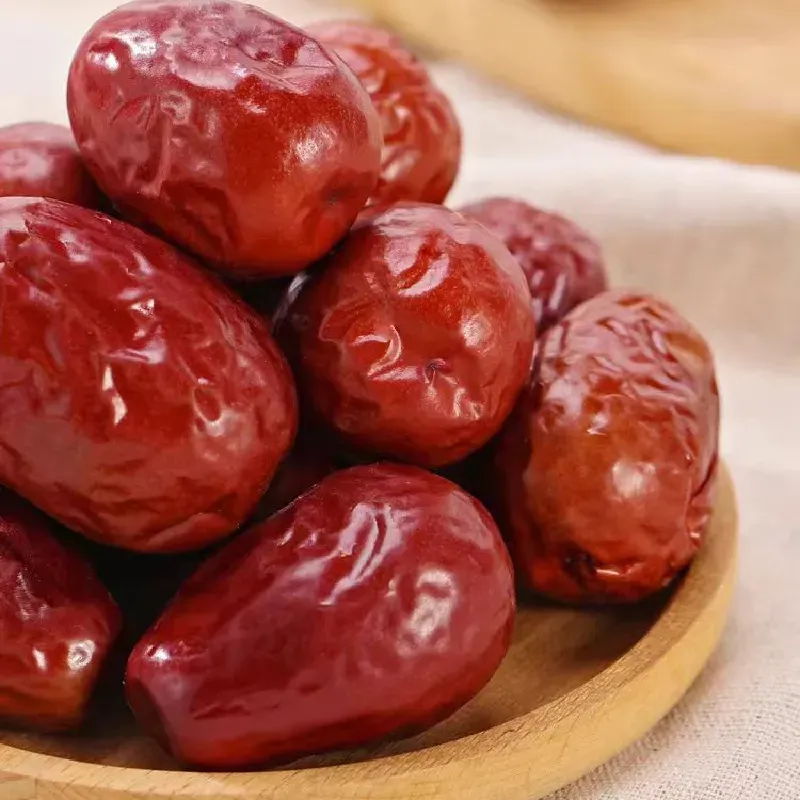
The primary raw material, sunflower seeds ( Helianthus annuus), exhibits variability in oil content (38-58%), protein composition (20-25%), and moisture content (8-12%) dependent on cultivar and growing conditions. These factors significantly impact flavoring adhesion. The seeds undergo initial cleaning to remove debris (stems, leaves, stones) followed by size grading to ensure uniformity. Crucially, moisture content is adjusted to optimize flavoring acceptance. This is typically achieved through drying, employing techniques like fluid bed drying or rotary drum drying, targeting a final moisture content of 3-5% to inhibit microbial growth and promote crispness. The flavoring process involves the application of a red date-derived coating. This coating typically consists of a sugar carrier (sucrose, dextrose), red date powder (derived from dried Ziziphus jujuba fruit, crucial for flavor and color), maltodextrin (to improve adhesion and reduce caking), salt, and potentially food-grade dyes or flavor enhancers. Application methods include tumbling in a rotating drum with a sprayed coating solution, or fluidized bed coating. Control parameters are critical: coating solution viscosity, spray rate, drum rotation speed, and air temperature. Overcoating leads to stickiness; undercoating results in uneven flavor distribution. Following coating, the seeds undergo a cooling phase and are packaged in moisture-barrier films (metallized polyester/polyethylene laminates) to maintain freshness. Proper sealing techniques (heat sealing) are paramount to prevent moisture ingress and oxidation.

Performance & Engineering
Performance is dictated by several factors. Adhesion strength of the red date flavoring is crucial, tested via a shear force analysis. This involves applying a tangential force to individual seeds and measuring the force required to remove the coating. A minimum adhesion strength (e.g., 0.5 N) is desirable. Environmental resistance, particularly concerning humidity, is critical. The product must maintain its crispness and flavor integrity under varying relative humidity (RH) levels. Accelerated shelf-life testing (storing samples at elevated temperatures and RH) predicts long-term stability. Packaging material plays a key role in moisture control. Mechanical strength of the seeds themselves impacts processing efficiency and minimizes breakage. Force analysis during handling (conveying, packaging) identifies potential stress points. Compliance requirements include adherence to food safety regulations (HACCP – Hazard Analysis and Critical Control Points), permissible levels of heavy metals (lead, cadmium, arsenic), and labeling requirements related to ingredients and nutritional information. The particle size distribution of the red date powder directly impacts flavor delivery and coating uniformity; finer powders provide more consistent flavor but can increase dusting. The surface texture of the sunflower seeds influences coating adhesion; rougher surfaces generally provide a better mechanical key for the flavoring.
Technical Specifications
| Parameter | Unit | Specification | Test Method |
|---|---|---|---|
| Moisture Content | % | 3.0 – 5.0 | Oven Drying (AACC Method 30-24) |
| Flavoring Adhesion | N | ≥ 0.5 | Shear Force Analysis (Instron 3365) |
| Red Date Flavor Intensity | Arbitrary Units | 80 – 120 | Spectrophotometry (Colorimetric Analysis) |
| Foreign Material | % by Weight | ≤ 0.05 | Visual Inspection & Sorting |
| Broken Seeds | % by Weight | ≤ 2.0 | Sieving & Visual Inspection |
| Oil Content | % | 40 – 55 | Soxhlet Extraction (AOCS Method Ba 3-48) |
Failure Mode & Maintenance
Failure modes are diverse. Flavoring delamination is a common issue, arising from insufficient adhesion, high humidity exposure, or improper drying of the seeds. This can be mitigated by optimizing coating parameters and packaging. Rancidity, resulting from oil oxidation, is another critical concern. Proper storage in airtight containers, under cool and dark conditions, minimizes oxidation. The use of antioxidants (e.g., Vitamin E) in the coating can further extend shelf life. Physical damage (cracking, breakage) occurs during handling and packaging. Careful equipment maintenance and optimized conveying systems reduce damage. Microbial contamination (mold growth) is a risk if moisture content is too high. Maintaining moisture content below 5% is essential. Color fading of the red date flavoring can occur due to UV exposure. Using opaque packaging materials protects the color. Maintenance involves regular cleaning of processing equipment to prevent cross-contamination and buildup of residue. Preventive maintenance schedules for drying and coating equipment are crucial to ensure consistent performance. Regular calibration of measurement instruments (moisture meters, spectrophotometers) ensures data accuracy.
Industry FAQ
Q: What is the optimal particle size distribution for the red date powder used in the flavoring?
A: The optimal particle size distribution falls within the range of 80-120 mesh (75-170 micrometers). Smaller particle sizes enhance flavor dispersion but increase dusting potential. Larger particles may result in uneven flavor distribution. A narrow particle size distribution is preferred for consistent flavor profiles.
Q: How do you control the humidity levels during the coating process?
A: Humidity control is achieved through the use of dehumidifiers within the coating room, maintaining a relative humidity of between 40-60%. Precise humidity control prevents the coating solution from becoming sticky and ensures uniform adhesion to the sunflower seeds.
Q: What are the critical control points in the HACCP plan for red date flavored sunflower seeds?
A: Critical Control Points (CCPs) include: raw material inspection (seed quality and foreign material), moisture content control during drying, flavoring application (uniformity and adhesion), metal detection, and packaging integrity (seal quality and barrier properties). Regular monitoring and verification procedures are implemented at each CCP.
Q: What type of packaging film provides the best barrier properties for maintaining product freshness?
A: A metallized polyester/polyethylene laminate structure (e.g., 12 μm polyester, aluminum foil, 30 μm polyethylene) offers the best combination of oxygen, moisture, and light barrier properties. The aluminum foil layer is crucial for preventing oxidation and preserving flavor integrity.
Q: How do you ensure the consistency of the red date flavor across different production batches?
A: Consistency is maintained through rigorous quality control of the red date powder, standardized coating formulations, precise control of coating process parameters (viscosity, spray rate, temperature), and regular sensory evaluation of finished product batches. Spectrophotometric analysis of color is also used as an objective measure of flavor consistency.
Conclusion
The production of red date flavored sunflower seeds is a technically complex process requiring careful consideration of material science, engineering principles, and adherence to stringent quality control standards. Optimization of seed drying, flavoring application, and packaging is paramount to ensuring product quality, shelf life, and consumer acceptance. Understanding the potential failure modes and implementing robust preventative maintenance programs are essential for minimizing production losses and maintaining consistent product performance.
Future developments in this sector will likely focus on utilizing advanced coating technologies (e.g., electrostatic spraying) to improve flavoring adhesion and reduce waste, exploring novel packaging materials with enhanced barrier properties, and incorporating natural antioxidants to extend shelf life without artificial additives. Continued investment in research and development will be crucial for maintaining competitiveness in the evolving snack food market.
