
Introduction
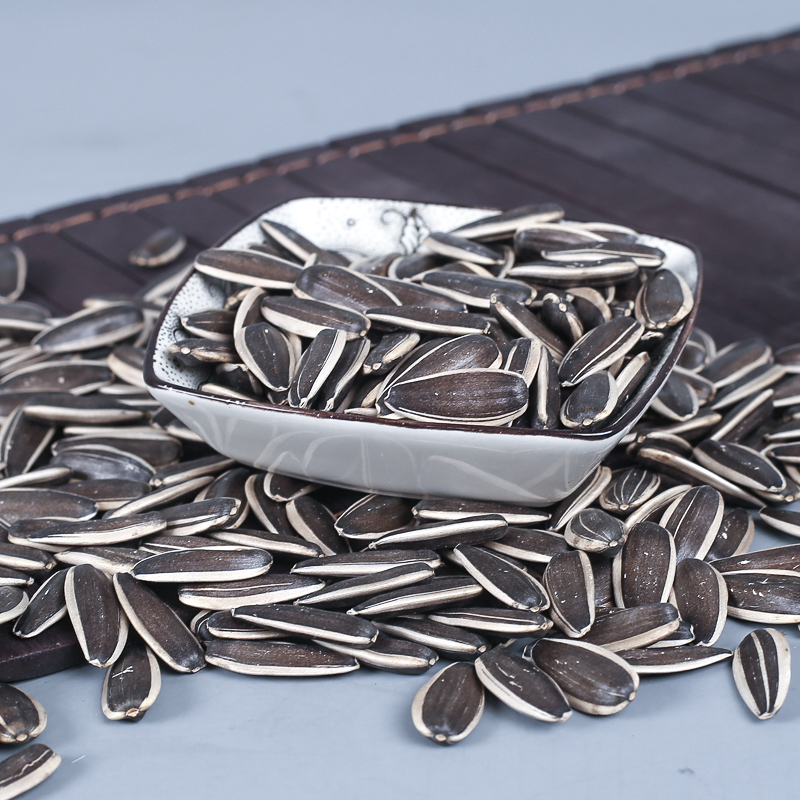
Red date flavored sunflower seeds represent a significant segment within the broader snack food industry, specifically the roasted seed market. This technical guide focuses on the manufacturing processes, material science, quality control, and potential failure modes associated with large-scale production for B2B clients. Sunflower seeds, Helianthus annuus, are valued for their high oil content, protein, and essential fatty acids. The addition of red date flavoring – typically achieved through a combination of coatings and infusion processes – introduces complexities related to ingredient compatibility, flavor retention, and shelf life. The industry chain spans from seed sourcing and cleaning, through roasting, flavoring application, quality assurance, packaging, and finally, distribution. Core performance characteristics revolve around consistent flavor profile, seed integrity (minimizing broken kernels), appropriate moisture content, and compliance with food safety regulations. A key industry pain point is maintaining consistent flavor application across large batches and preventing undesirable off-flavors during storage. Furthermore, managing acrylamide formation during the roasting process is a critical consideration.
Material Science & Manufacturing
The primary raw material, sunflower seeds, are comprised of approximately 30-50% oil (primarily linoleic acid), 20-25% protein, and 15-20% carbohydrates. Seed variety (e.g., confectionary vs. oilseed) significantly impacts kernel size, oil content, and hull characteristics. The red date flavor component typically involves a multi-stage process. Firstly, red date extract, often derived from Ziziphus jujuba, is prepared, involving extraction with solvents (typically water or ethanol) followed by concentration and purification. Secondly, a carrier matrix is formulated, often utilizing sugars (sucrose, glucose syrup), maltodextrin, and modified starches to ensure uniform coating and adhesion. Thirdly, flavor encapsulation may be employed using techniques like spray drying or fluid bed coating to enhance flavor retention and stability. The manufacturing process begins with seed cleaning and grading to remove foreign material and ensure uniform size. Roasting, typically conducted at temperatures between 120-160°C for 15-30 minutes, is a critical step influencing flavor development and texture. Precise temperature control is essential to minimize acrylamide formation. Following roasting, seeds are cooled rapidly to prevent over-roasting. Flavor application utilizes rotating drum coaters or fluidized bed systems to ensure even distribution of the red date coating. Key parameters include coating solution viscosity, drum speed, and spray rate. Post-coating, seeds undergo a drying process to reduce moisture content to <2%, crucial for shelf life stability. Moisture migration can lead to caking and flavor degradation. Control of relative humidity during drying and cooling is paramount.
Performance & Engineering
Performance is evaluated based on several key engineering properties. Shear force analysis is used to quantify seed brittleness and the force required to crack the kernel – a critical parameter impacting eating quality. Moisture content, measured using Karl Fischer titration, must be maintained below 2% to prevent microbial growth and caking. Water activity (aw), typically below 0.6, is another crucial indicator of shelf life stability. Flavor retention is assessed using gas chromatography-mass spectrometry (GC-MS) to quantify volatile flavor compounds over time. Coating adhesion strength is determined using tensile testing, evaluating the force required to separate the coating from the seed. Environmental resistance is evaluated through accelerated shelf-life testing, exposing samples to elevated temperatures and humidity levels. Compliance requirements include adherence to food safety standards such as HACCP (Hazard Analysis and Critical Control Points) and relevant regulations pertaining to food additives and labeling. Furthermore, packaging materials must provide an adequate barrier to oxygen and moisture to maintain product quality. The engineering design of the coating drums and drying systems is critical for achieving uniform coating and efficient moisture removal. Computational fluid dynamics (CFD) modeling can be used to optimize airflow patterns and temperature distribution within the processing equipment.
Technical Specifications
| Parameter | Specification | Test Method | Tolerance |
|---|---|---|---|
| Moisture Content | ≤ 2.0% | Karl Fischer Titration | ± 0.2% |
| Water Activity (aw) | ≤ 0.6 | Water Activity Meter | ± 0.02 |
| Red Date Flavor Intensity | 80-120 ppm (Ziziphus Jujuba Extract) | GC-MS | ± 10 ppm |
| Acrylamide Content | ≤ 100 ppb | GC-MS | ± 10 ppb |
| Broken Kernel Rate | ≤ 5.0% | Visual Inspection/Sieving | ± 1.0% |
| Coating Adhesion Strength | ≥ 0.5 MPa | Tensile Testing | ± 0.05 MPa |
Failure Mode & Maintenance
Common failure modes include rancidity due to lipid oxidation, off-flavor development caused by Maillard reaction products or microbial contamination, coating delamination, and seed cracking during processing or handling. Rancidity is mitigated through the use of antioxidants (e.g., tocopherols) and nitrogen flushing during packaging. Off-flavors can be minimized by optimizing roasting parameters and controlling moisture content. Coating delamination is often caused by insufficient adhesion due to improper coating formulation or inadequate drying. Seed cracking is typically attributed to excessive impact forces during handling or improper roasting conditions. Preventive maintenance of roasting and coating equipment is crucial. This includes regular inspection of heating elements, drive belts, and spray nozzles. Calibration of temperature sensors and moisture meters is essential for accurate process control. Periodic cleaning of equipment prevents the buildup of residue, minimizing the risk of microbial contamination. A robust quality control program, including regular sensory evaluation and chemical analysis, is critical for identifying and addressing potential failure modes. Storage conditions – temperature, humidity, and light exposure – also play a significant role in product stability.
Industry FAQ
Q: What is the primary driver of acrylamide formation during sunflower seed roasting?
A: Acrylamide formation is primarily driven by the Maillard reaction between reducing sugars (like glucose and fructose, naturally present in sunflower seeds) and asparagine, an amino acid. Higher roasting temperatures and longer roasting times exacerbate this reaction. Precise temperature control and optimization of roasting parameters are critical for minimizing acrylamide levels.
Q: How do you ensure consistent flavor distribution with the red date coating?
A: Consistent flavor distribution is achieved through a combination of factors. First, precise control of coating solution viscosity is essential. Second, optimized drum speed and spray rate in the coating process ensure uniform application. Third, monitoring and maintaining the uniformity of the red date extract itself is critical. Finally, proper drying ensures even flavor distribution post-coating.
Q: What packaging materials are recommended for maximizing shelf life?
A: Multi-layer packaging films providing a high barrier to oxygen, moisture, and light are recommended. Typically, this involves a combination of polyethylene (PE), aluminum foil, and polyester (PET). Nitrogen flushing prior to sealing further reduces oxygen levels, enhancing shelf life stability. The selection of specific film layers depends on the desired shelf life and storage conditions.
Q: What quality control checks are performed to identify potential rancidity?
A: Several quality control checks are employed. Peroxide value (PV) and Anisidine value (AV) are used to quantify the extent of lipid oxidation. Sensory evaluation (odor and taste) is also crucial for detecting rancid flavors. Regular monitoring of fatty acid profiles using GC-MS can identify changes indicative of oxidation.
Q: What is the acceptable level of foreign material in the final product?
A: The acceptable level of foreign material is typically defined by regulatory standards and customer specifications. Generally, less than 100 ppm (parts per million) of foreign material is considered acceptable, with a maximum allowable size of 2mm. Stringent cleaning and grading procedures are implemented to minimize the presence of foreign material.
Conclusion
The production of red date flavored sunflower seeds is a complex process requiring careful control of material science, manufacturing parameters, and quality assurance procedures. Maintaining consistent flavor profile, minimizing acrylamide formation, and ensuring long-term stability are critical challenges. A deep understanding of seed composition, coating technology, and packaging requirements is essential for producing a high-quality product that meets consumer expectations and regulatory standards.
Future advancements may focus on optimizing roasting techniques to further reduce acrylamide levels, exploring novel flavor encapsulation technologies to enhance flavor retention, and developing more sustainable packaging materials. Continued research into the impact of seed variety on flavor and texture will also be crucial. Ultimately, a data-driven approach to process optimization and quality control will be key to achieving consistent product excellence.
