Introduction
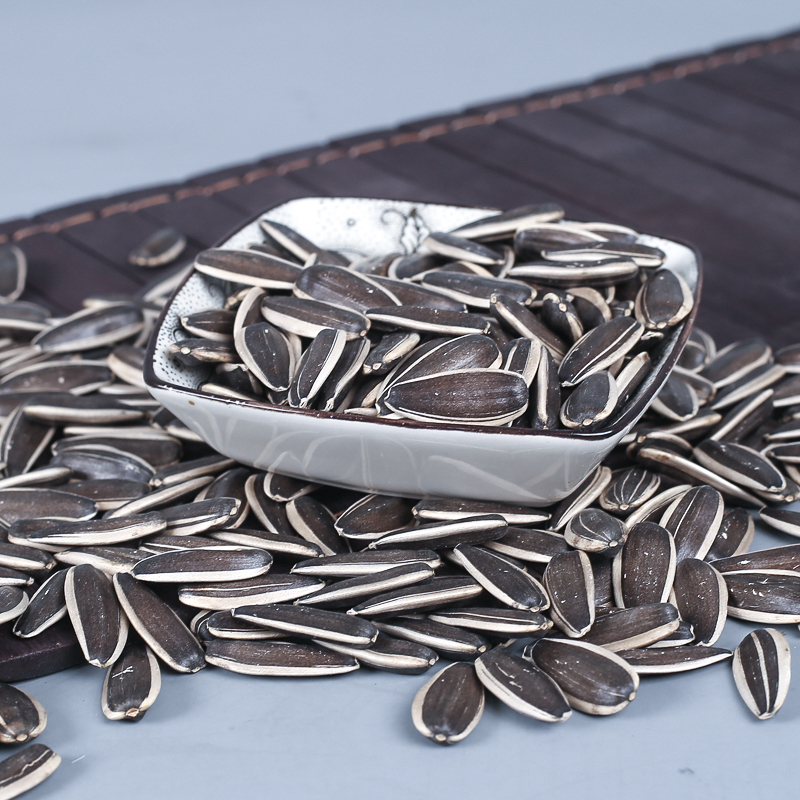
Red date flavored sunflower seeds represent a significant product category within the global snack food industry, particularly catering to Asian markets and increasingly, health-conscious consumers worldwide. These seeds are not merely a confectionery item; they embody a complex interplay of agricultural processing, flavoring technology, packaging science, and stringent food safety regulations. The export market for this product requires a deep understanding of kernel quality, flavor adherence, shelf-life stability, and compliance with international trade standards. This guide provides an in-depth technical overview for exporters, covering the entire process from seed sourcing to final product delivery, addressing critical quality control parameters and potential challenges. The core performance indicators for success hinge on maintaining consistent flavor profiles, minimizing kernel damage during processing, and ensuring adherence to permissible levels of residual solvents from the flavoring process. This guide aims to equip exporters with the technical knowledge necessary to optimize production, mitigate risks, and maintain a competitive edge in the global market.
Material Science & Manufacturing
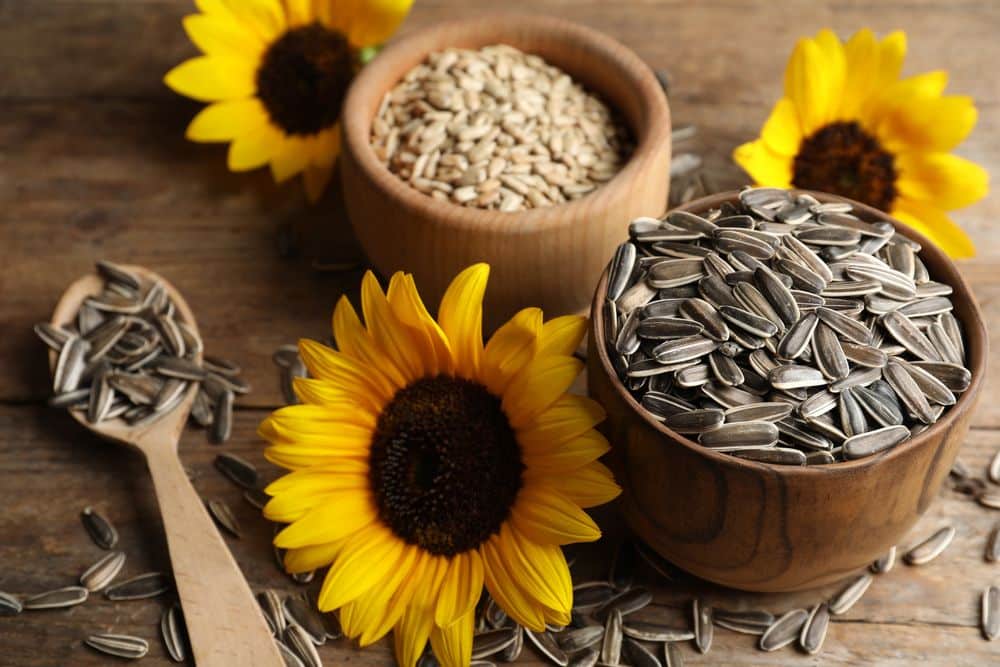
The foundation of red date flavored sunflower seeds lies in the quality of the sunflower kernels themselves. High oleic sunflower seeds are preferred due to their enhanced oxidative stability, crucial for extending shelf life and preserving flavor. Kernels are typically sourced based on size (screening standards) and moisture content (optimally 8-10% to prevent fungal growth and maintain structural integrity during processing). The manufacturing process begins with cleaning, de-hulling, and grading. Critical parameters at this stage include minimizing kernel breakage, which reduces yield and aesthetic appeal. The flavoring stage employs a multi-step process. First, a carrier, usually a food-grade starch or maltodextrin, is used to evenly distribute the red date flavor extract (typically derived from dried red dates through solvent extraction or supercritical fluid extraction). The solvent residue is a critical control point, requiring rigorous testing to meet international regulations. Following flavoring, seeds undergo roasting, a crucial step for developing characteristic flavor and texture. Roasting temperature (120-150°C) and duration (15-25 minutes) are tightly controlled to prevent scorching and maintain kernel integrity. Post-roasting, a coating process often applies a glazing agent (e.g., sugar syrup, vegetable oil) to enhance shine and further seal in flavor. Packaging utilizes multi-layer films (typically PET/PE or OPP/PE laminates) to provide barrier protection against oxygen, moisture, and light, all of which contribute to flavor degradation and rancidity. Process control is monitored using techniques like near-infrared spectroscopy for moisture content and colorimeters for flavor consistency.
Performance & Engineering
The performance of red date flavored sunflower seeds is assessed through a combination of physical, chemical, and sensory analyses. Shear force analysis measures the texture of the seeds, indicating the effort required to crack the kernel—a key determinant of consumer acceptance. The adhesion strength of the flavor coating is crucial to prevent flavor loss during handling and transportation; pull-off tests quantify this parameter. Environmental resistance testing simulates the conditions encountered during shipping and storage. This includes temperature cycling (-20°C to 40°C) and humidity testing (60-90% relative humidity) to evaluate packaging integrity and product stability. Compliance with food safety regulations (FDA, EFSA) is paramount, requiring rigorous monitoring of heavy metal content (lead, cadmium), pesticide residues, and aflatoxin levels. Aflatoxin, a potent mycotoxin produced by Aspergillus fungi, is particularly critical as sunflower seeds are susceptible to contamination. Engineering considerations include optimizing airflow within roasting equipment for uniform heat distribution and employing efficient coating techniques to minimize waste and ensure even flavor coverage. The packaging design must provide adequate protection against mechanical damage during transit, mitigating kernel breakage and flavor leakage. Shelf-life studies, conducted under accelerated storage conditions, are essential for determining the product’s expiration date and validating packaging effectiveness.
Technical Specifications
| Parameter | Unit | Specification | Test Method |
|---|---|---|---|
| Kernel Moisture Content | % | 8.0 – 10.0 | Oven Drying (GB 5005-2008) |
| Broken Kernel Rate | % | ≤ 5.0 | Visual Inspection & Sieving |
| Red Date Flavor Intensity | Arbitrary Units | 80 – 120 (on a standardized scale) | Gas Chromatography-Mass Spectrometry (GC-MS) |
| Residual Solvent (Ethanol) | ppm | ≤ 10 | Headspace Gas Chromatography (HS-GC) |
| Peroxide Value (Indicates Rancidity) | meq O₂/kg | ≤ 5.0 | Titration Method (GB 5005-2008) |
| Aflatoxin B1 | µg/kg | ≤ 2.0 | ELISA Method (EN 16215) |
Failure Mode & Maintenance
Failure modes in red date flavored sunflower seeds primarily fall into three categories: flavor degradation, kernel damage, and packaging failure. Flavor degradation, characterized by a loss of red date aroma and a development of rancid off-flavors, is often caused by oxidation and moisture absorption. This is exacerbated by inadequate packaging or prolonged exposure to elevated temperatures. Kernel damage, including cracking and chipping, occurs during processing (roasting, coating) and handling/transportation. It reduces product aesthetic appeal and can lead to flavor loss. Packaging failure, manifesting as seal breaches or punctures, compromises barrier protection and accelerates flavor degradation. Maintenance strategies focus on preventative measures. Regular cleaning and maintenance of processing equipment (roasters, coaters) minimize kernel damage. Implementing a robust quality control system, including regular sensory evaluations and chemical analyses, detects flavor degradation early. Proper storage conditions (cool, dry, dark) are crucial for extending shelf life. Packaging materials should be carefully selected and inspected for defects. A traceability system, linking each batch of seeds to its origin and processing parameters, facilitates rapid identification and resolution of quality issues. Training personnel on proper handling techniques and hygiene practices further mitigates the risk of contamination and damage.
Industry FAQ
Q: What is the optimal moisture content for sunflower kernels prior to flavoring, and why is this critical?
A: The optimal moisture content is between 8-10%. Lower moisture levels can lead to kernel brittleness and increased breakage during processing. Higher moisture levels promote microbial growth and can negatively impact flavor stability and shelf life. Maintaining this range ensures optimal flavor absorption and prevents clumping during coating.
Q: What are the key regulations regarding residual solvent levels in flavored sunflower seeds, and how are they enforced?
A: Regulations vary by country, but generally follow guidelines set by the FDA (US) and EFSA (Europe). Ethanol, a common solvent used in red date extract production, is typically limited to 10 ppm. Enforcement involves routine testing using Headspace Gas Chromatography (HS-GC) by regulatory agencies and third-party testing laboratories. Non-compliance can result in product recalls and penalties.
Q: How can we minimize the risk of aflatoxin contamination in sunflower seeds?
A: Implementing strict pre-harvest controls, including sourcing seeds from reputable suppliers with documented quality assurance programs, is vital. Proper drying and storage of kernels are essential to prevent fungal growth. Regular testing for aflatoxin B1 using ELISA methods is crucial, and contaminated batches should be rejected. Adhering to Good Manufacturing Practices (GMP) throughout the production process further minimizes risk.
Q: What types of packaging materials are most effective in preserving the flavor and extending the shelf life of red date flavored sunflower seeds?
A: Multi-layer films composed of PET/PE or OPP/PE laminates are recommended. These materials provide excellent barrier properties against oxygen, moisture, and light, all of which contribute to flavor degradation and rancidity. The film thickness and composition should be optimized based on the expected shelf life and storage conditions. Vacuum or nitrogen flushing packaging further enhances preservation.
Q: How do you quantitatively assess the adhesion strength of the red date flavor coating to the sunflower kernels?
A: Adhesion strength is typically assessed using a pull-off test. This involves attaching a probe to the coating and measuring the force required to detach it from the kernel surface. The force is expressed in Newtons (N) or pounds-force (lbf). A higher force indicates stronger adhesion and better flavor retention during handling.
Conclusion
The successful export of red date flavored sunflower seeds demands a meticulous understanding of the interplay between material science, manufacturing processes, and stringent quality control measures. Maintaining consistent kernel quality, optimizing flavor adherence, ensuring packaging integrity, and complying with international food safety regulations are paramount. Adhering to the technical specifications outlined in this guide and implementing robust preventative maintenance strategies are crucial for minimizing failure modes and maximizing product shelf life.
Looking ahead, advancements in packaging technology, such as the development of biodegradable and compostable films, offer opportunities to enhance sustainability and appeal to environmentally conscious consumers. Furthermore, exploring novel flavoring techniques, like microencapsulation, could improve flavor retention and create more complex flavor profiles. Continued investment in research and development, coupled with a commitment to quality and innovation, will be essential for maintaining a competitive edge in the evolving global snack food market.
