Introduction
Red date flavored sunflower seeds represent a significant segment within the global snack food industry, specifically the seasoned seeds subcategory. These seeds are not merely a confection; they represent a complex interplay of agricultural sourcing, precise flavor infusion techniques, rigorous quality control, and adherence to international food safety standards. Their export market is driven by increasing consumer demand for healthy, convenient, and flavorful snacks. This technical guide provides an in-depth exploration of the material science, manufacturing processes, performance characteristics, potential failure modes, and relevant regulatory frameworks pertaining to the successful export of high-quality red date flavored sunflower seeds. The product position within the supply chain involves raw seed sourcing (typically from regions specializing in sunflower cultivation), flavoring compound production, seed processing (cleaning, dehulling, roasting), flavor application, quality assessment, packaging, and finally, international distribution. Core performance attributes center around consistent flavor profile, optimal seed moisture content, minimal defects, and extended shelf life. Understanding these aspects is critical for exporters aiming to meet the stringent requirements of international markets and maintain a competitive edge.
Material Science & Manufacturing
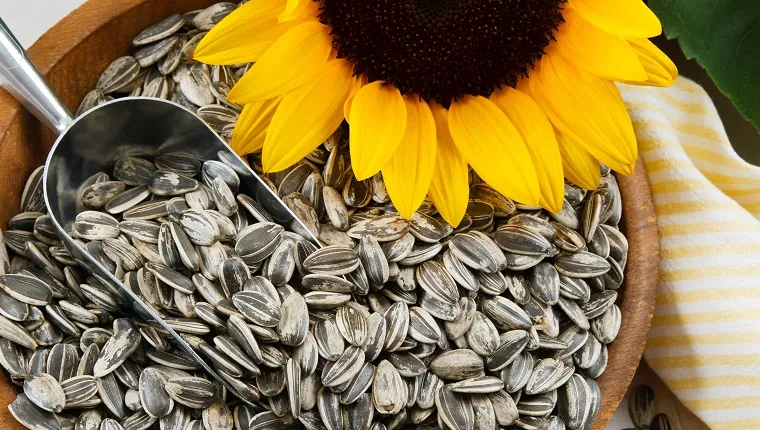
The foundation of red date flavored sunflower seeds lies in the material properties of both the sunflower seed itself and the flavoring compounds. Sunflower seeds ( Helianthus annuus) comprise approximately 35-50% oil, 20-30% protein, 10-20% carbohydrates, and 5-15% moisture. The oil composition, predominantly linoleic acid, contributes to the seed’s flavor and nutritional value, but also its susceptibility to oxidation. Seed shell composition varies depending on cultivar, typically consisting of cellulose and lignin. Red date flavoring relies on extracts from Ziziphus jujuba, containing sugars (glucose, fructose), organic acids, vitamins (C), and various polyphenolic compounds responsible for the characteristic sweet and slightly tart taste. The manufacturing process begins with seed selection and cleaning to remove foreign materials. Dehulling is performed mechanically, followed by drying to a moisture content of approximately 8-10%. Roasting, typically at temperatures between 120-160°C, develops the seed’s inherent flavor and creates a porous structure for optimal flavor absorption. Flavor application involves spraying or tumbling the roasted seeds with a precisely formulated flavoring solution – a critical parameter control point. Solution viscosity, spray nozzle size, and tumbling speed impact flavor uniformity. The solution often contains a carrier (e.g., maltodextrin), a humectant (e.g., sorbitol) to maintain moisture, and potentially antioxidants (e.g., BHA/BHT) to prevent rancidity. Final stages involve cooling, quality inspection (visual, taste, moisture content), and packaging in materials with appropriate barrier properties (oxygen, moisture, light).
Performance & Engineering
The performance of red date flavored sunflower seeds is assessed through several key engineering considerations. Firstly, mechanical strength during handling and transport is vital. Seed coat fracture resistance is directly correlated to roasting parameters and post-roast cooling rates. Rapid cooling can induce thermal stress, leading to cracking. Secondly, flavor retention is paramount. The effectiveness of the flavoring application process, coupled with the barrier properties of the packaging material, dictates shelf life and perceived taste quality. Oxygen transmission rate (OTR) and water vapor transmission rate (WVTR) of the packaging are critical. Thirdly, hygroscopicity – the tendency to absorb moisture – significantly impacts product quality. High moisture content promotes microbial growth and rancidity. Maintaining a low water activity (aw) is essential. Fourthly, sensory analysis is crucial. This involves evaluating flavor intensity, sweetness, tartness, and overall palatability using trained panels. Compliance requirements include adherence to food safety regulations (e.g., FDA in the US, EFSA in Europe) regarding permissible levels of heavy metals, pesticides, and microbiological contaminants. Packaging materials must comply with food contact regulations. Furthermore, exporters must adhere to labeling requirements, including ingredient lists, nutritional information, and allergen declarations.
Technical Specifications
| Parameter | Unit | Specification | Test Method |
|---|---|---|---|
| Moisture Content | % w/w | 8.0 – 10.0 | AOAC 925.10 |
| Oil Content | % w/w | 40.0 – 50.0 | Soxhlet Extraction (AOAC 920.39) |
| Red Date Flavor Intensity | Arbitrary Units (1-10 scale) | 6.0 – 8.0 | Sensory Panel Evaluation |
| Peroxide Value | meq O2/kg | < 5.0 | AOAC 965.33 |
| Water Activity (aw) | - | < 0.65 | Water Activity Meter |
| Foreign Matter | % w/w | < 0.5 | Visual Inspection |
Failure Mode & Maintenance
Several failure modes can compromise the quality and shelf life of red date flavored sunflower seeds. Rancidity, caused by lipid oxidation, is a primary concern. This manifests as an off-flavor and odor. Contributing factors include exposure to oxygen, light, and elevated temperatures. Flavor degradation, where the red date flavor diminishes over time, can occur due to volatilization of aromatic compounds or chemical reactions. Moisture absorption leads to clumping, microbial growth, and reduced crispness. Seed coat cracking during handling and transportation compromises aesthetic appeal and increases susceptibility to moisture and oxidation. Packaging failure, such as punctures or seal compromises, allows for ingress of oxygen and moisture. Maintenance strategies revolve around preventative measures. Utilizing packaging materials with low OTR and WVTR is crucial. Adding antioxidants (BHA, BHT, Vitamin E) to the flavoring formulation inhibits oxidation. Proper storage conditions – cool, dry, and dark – are essential. Regular quality control checks, including peroxide value analysis and sensory evaluation, can detect early signs of degradation. Implementing a first-in, first-out (FIFO) inventory management system minimizes storage time. For exporters, robust supply chain management, including temperature-controlled transportation, is also critical. Addressing these failure modes proactively maximizes product lifespan and maintains consumer satisfaction.
Industry FAQ
Q: What is the optimal oil content range for sunflower seeds intended for flavored applications, and how does this impact flavor adhesion?
A: The optimal oil content range is typically 40-50% w/w. Higher oil content provides a better substrate for flavor adhesion, as the flavoring compounds are more soluble in the oil. However, excessively high oil content can lead to rancidity. The balance between flavor adhesion and oxidative stability is crucial, and often requires antioxidant addition.
Q: What packaging materials are recommended to prevent flavor loss and maintain crispness during extended storage and transit?
A: Multi-layer films with high barrier properties are recommended. Typically, a combination of polyethylene (PE), aluminum foil, and polyethylene terephthalate (PET) provides excellent protection against oxygen, moisture, and light. Modified atmosphere packaging (MAP), using nitrogen flushing, can further extend shelf life by reducing oxygen levels within the package.
Q: How does the roasting process influence the development of off-flavors and what parameters need to be controlled?
A: Over-roasting can lead to the development of burnt or acrid off-flavors. Controlling roasting temperature, duration, and airflow is essential. Temperatures exceeding 160°C for prolonged periods can cause undesirable flavor compounds to form. Monitoring seed color and performing regular sensory evaluations during roasting are critical quality control measures.
Q: What are the key regulatory considerations regarding the use of antioxidants in flavored sunflower seeds for export to the European Union?
A: The European Union has strict regulations regarding permitted food additives, including antioxidants. BHA (Butylated Hydroxyanisole) and BHT (Butylated Hydroxytoluene) are permitted but have maximum usage levels specified in Regulation (EC) No 1333/2008. Vitamin E (tocopherols) is generally favored as a natural antioxidant and has fewer restrictions. Full compliance with EU food additive regulations is essential for export.
Q: How do you determine the appropriate water activity (aw) level to prevent microbial growth without compromising the texture and flavor of the seeds?
A: An aw level below 0.65 is generally recommended to inhibit the growth of most spoilage microorganisms. However, excessively low aw can lead to a hard, undesirable texture. The optimal aw level is determined through experimentation, balancing microbial stability with sensory acceptability. Careful control of the drying and cooling processes is crucial for achieving the target aw.
Conclusion
The successful export of red date flavored sunflower seeds hinges on a deep understanding of the interplay between material science, processing parameters, and stringent quality control measures. From the initial sourcing of high-quality sunflower seeds to the precise application of flavoring compounds and the selection of appropriate packaging, each stage of the process demands meticulous attention to detail. Maintaining optimal moisture content, minimizing oxidation, and ensuring compliance with international food safety regulations are paramount.
Looking ahead, advancements in packaging technology, such as active packaging incorporating oxygen absorbers and moisture scavengers, will likely play an increasingly important role in extending shelf life and preserving product quality. Further research into natural antioxidants and flavor encapsulation techniques could offer sustainable alternatives to synthetic additives. Ultimately, a commitment to technical excellence and continuous improvement will be crucial for exporters seeking to thrive in the competitive global snack food market.
