Introduction
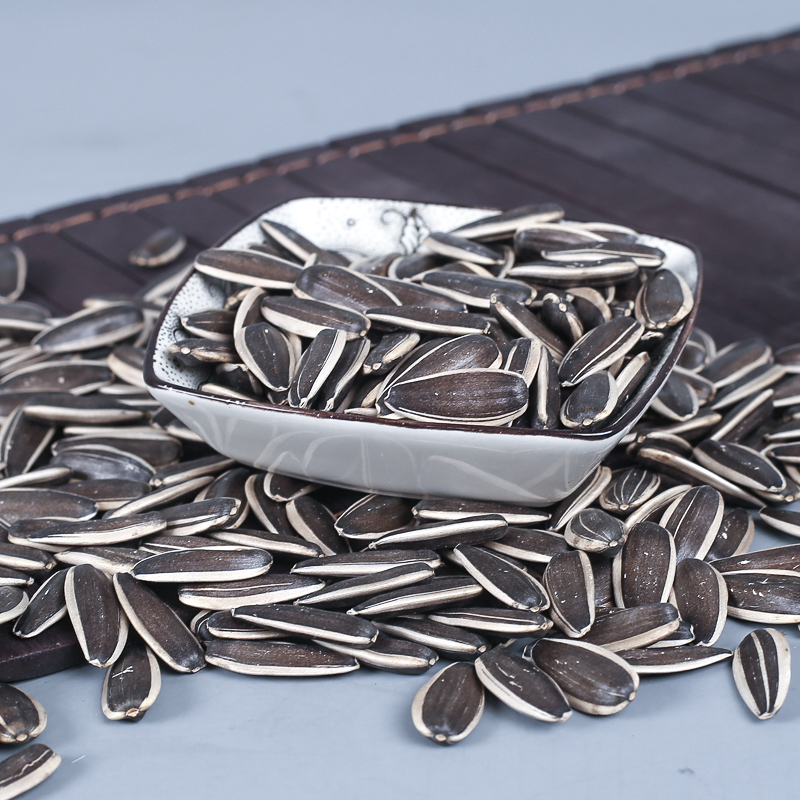
Raw sunflower seeds, Helianthus annuus, represent a critical component in the global food and oilseed industries. This guide focuses on the technical considerations for suppliers of raw, in-shell and kernel sunflower seeds intended for human consumption, animal feed, and oil extraction. Sunflower seeds occupy a unique position within the agricultural commodity chain, bridging primary agricultural production with substantial processing operations. Core performance characteristics, from oil content to kernel size and damage assessment, directly impact downstream processing efficiency and final product quality. Suppliers must address challenges related to consistent quality, minimizing mycotoxin contamination, and adhering to stringent international food safety standards. This document provides a detailed technical overview of the material science, manufacturing processes, performance metrics, potential failure modes, and quality control protocols relevant to raw sunflower seed supply.
Material Science & Manufacturing
Sunflower seeds are composed of three primary components: the hull (pericarp), the kernel (cotyledon), and the embryo. The hull, approximately 20-30% of the seed's weight, is primarily cellulose and lignin, providing structural integrity. The kernel, containing 50-60% oil, is rich in linoleic acid, oleic acid, palmitic acid, and stearic acid, along with proteins, carbohydrates, and vitamins. The embryo, representing a smaller percentage of the seed, is vital for germination. Manufacturing begins with agricultural practices focusing on hybrid seed selection for optimal oil content and disease resistance. Harvesting typically occurs when seed moisture content reaches 18-20%. Drying is crucial, reducing moisture to 8-9% to prevent mold growth and mycotoxin production. Drying methods include natural sun-drying, forced-air drying, and a combination of both. The key parameters controlled during drying are temperature (not exceeding 50°C to prevent oil degradation) and airflow. Post-drying, seeds undergo cleaning to remove foreign material (stalks, leaves, weed seeds) using screens, aspiration, and gravity separators. Seed size grading is also performed, often utilizing rotating drum separators. Proper storage is essential, requiring cool, dry, and well-ventilated conditions to maintain seed quality and prevent lipid oxidation. Chemical composition is influenced by genetics, growing conditions (soil type, rainfall, sunlight), and post-harvest handling.

Performance & Engineering
Sunflower seed performance is assessed via several critical engineering parameters. Oil content, determined through Soxhlet extraction or near-infrared (NIR) spectroscopy, is a primary driver of economic value, typically ranging from 42% to 58% depending on the hybrid. Kernel hardness, measured using a penetrometer, affects shelling efficiency during oil extraction. Seed size and shape uniformity impact flowability in processing equipment. Moisture content, consistently monitored using moisture analyzers, must remain below 9% to inhibit microbial growth. Damage assessment, including chipped kernels, broken seeds, and insect damage, is crucial. Damage increases susceptibility to mycotoxin contamination. Force analysis during shelling operations reveals the energy required for kernel removal, optimizing machine settings. Environmental resistance focuses on maintaining seed viability during transportation and storage, requiring packaging materials with appropriate barrier properties to oxygen and moisture. Compliance requirements include adherence to FDA regulations (for human consumption) and feed regulations (for animal feed), including limits for heavy metals (lead, cadmium) and pesticide residues. Regulations also cover the allowable levels of mycotoxins (aflatoxins, ochratoxin A). Hulling efficiency, the percentage of kernels successfully removed from the hull, is an important indicator of processing performance.
Technical Specifications
| Parameter | Unit | Typical Range (In-Shell) | Typical Range (Kernel) |
|---|---|---|---|
| Oil Content | % (Dry Basis) | 38-50 | 48-58 |
| Moisture Content | % | 8-10 | 7-9 |
| Kernel Size (Diameter) | mm | 10-16 | 8-14 |
| Hull Content | % | 20-30 | 0-5 (Residual) |
| Broken Kernels & Foreign Matter | % | < 2 | < 1 |
| Acid Value | mg KOH/g oil | < 1.0 | < 0.5 |
Failure Mode & Maintenance
Failure modes in raw sunflower seeds primarily stem from biological degradation and physical damage. Mycotoxin contamination, caused by fungi like Aspergillus flavus and Aspergillus ochraceus, is a significant concern, leading to rejection of the entire batch. This is exacerbated by pre-harvest stress (drought, insect damage) and improper drying/storage. Lipid oxidation, resulting in rancidity, degrades oil quality and reduces nutritional value. This is accelerated by exposure to oxygen, light, and elevated temperatures. Physical damage, including cracked kernels and hull fractures, increases vulnerability to infestation and moisture absorption. Insect infestation (e.g., sunflower weevils) can cause significant losses. Maintenance protocols focus on preventative measures. Strict adherence to proper drying procedures is paramount. Regular monitoring of seed moisture content and temperature during storage is essential. Implementing effective pest control programs is critical. Packaging should utilize moisture-proof and oxygen-barrier materials. Seed lots should be tested for mycotoxin levels prior to shipment. Regular cleaning of storage facilities minimizes insect breeding grounds. Traceability systems are vital to identify the source of contamination or damage and implement corrective actions. Short-term storage (less than 6 months) requires less stringent controls compared to long-term storage (over 12 months).
Industry FAQ
Q: What is the acceptable limit for Aflatoxin B1 in sunflower seeds destined for the European Union?
A: The European Union sets a maximum limit of 2.0 µg/kg for total aflatoxins (B1, B2, G1, and G2) in sunflower seeds intended for direct human consumption, as per Regulation (EC) No 1881/2006. Specific limits may vary based on the end-use (e.g., lower limits for infant food).
Q: How does seed maturity impact oil content and protein levels?
A: Later seed maturity generally correlates with higher oil content, as the plant diverts resources towards oil accumulation. However, excessive maturity can lead to lower protein levels and increased susceptibility to pre-harvest sprouting. Optimizing harvest timing is crucial to balance oil yield and protein content.
Q: What are the implications of high Free Fatty Acid (FFA) content in sunflower seeds?
A: High FFA content indicates lipid hydrolysis, often a result of improper drying or storage. Elevated FFAs reduce oil quality, increase refining costs, and can lead to rancidity. Suppliers should ensure seeds are adequately dried and stored to minimize FFA development.
Q: What packaging materials are recommended to maintain seed quality during long-term storage and international transport?
A: Multi-layer packaging incorporating a polyethylene (PE) inner liner for moisture protection and an outer layer of woven polypropylene (PP) for structural integrity is commonly used. Addition of a UV inhibitor is recommended for prolonged outdoor storage. The packaging should be airtight to minimize oxygen exposure and prevent insect infestation.
Q: How are sunflower seeds graded for quality based on kernel content and damage?
A: Grading standards vary regionally, but typically involve assessing kernel content (percentage of kernel weight relative to total seed weight), broken kernels, damaged kernels (insect damage, mold), foreign matter, and split seeds. Higher grades command premium prices due to improved processing efficiency and oil yield.
Conclusion
The supply of high-quality raw sunflower seeds requires meticulous attention to detail throughout the entire chain, from agricultural practices to post-harvest handling and storage. Achieving optimal oil content, minimizing mycotoxin contamination, and ensuring physical integrity are paramount for meeting the stringent demands of downstream processors and regulatory bodies. Suppliers must prioritize consistent quality control, invest in proper drying and storage infrastructure, and adhere to internationally recognized food safety standards.
Future advancements in sunflower breeding are focused on developing hybrids with increased oil content, improved disease resistance, and enhanced tolerance to environmental stressors. Implementing blockchain technology for traceability can further enhance supply chain transparency and build trust between suppliers and buyers. Continuous monitoring and proactive mitigation of potential failure modes will remain crucial for maintaining a sustainable and reliable supply of this valuable oilseed commodity.
