Introduction
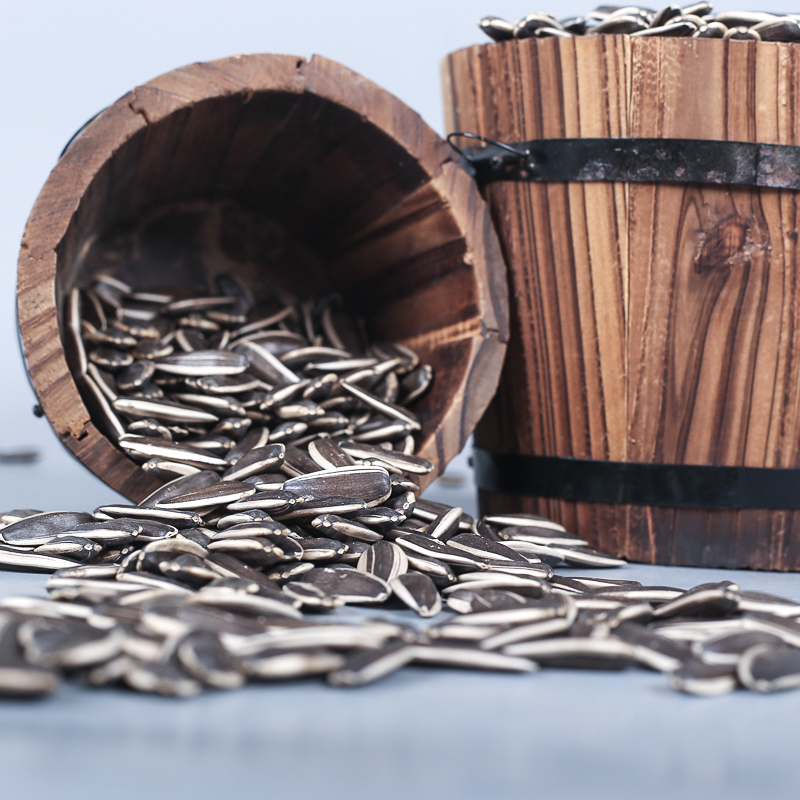
Raw sunflower seeds represent a crucial commodity within the agricultural supply chain, serving as a foundational input for diverse downstream industries including food processing, confectionery, animal feed production, and increasingly, biofuel development. Positioned within the oilseed complex, their quality and characteristics directly impact the efficiency and yield of subsequent processing stages. This guide provides a comprehensive technical overview of raw sunflower seeds, encompassing material science, manufacturing considerations, performance metrics, failure modes, and relevant industry standards. A primary pain point for procurers is consistent quality assurance – variations in oil content, moisture levels, and seed integrity can significantly affect processing costs and final product attributes. Furthermore, concerns regarding aflatoxin contamination and adherence to strict regulatory requirements necessitate a thorough understanding of seed quality control protocols. The core performance of raw sunflower seeds lies in their oil yield, protein content, and hulling characteristics, all of which are critically evaluated during procurement and processing.
Material Science & Manufacturing
Sunflower seeds (Helianthus annuus) are biologically complex structures comprised of three primary components: the kernel (containing the oil and protein), the hull (protective outer layer), and the embryonic root. The kernel’s oil content, typically ranging from 40-58% depending on the variety, is dominated by linoleic acid (an omega-6 fatty acid) and oleic acid (an omega-9 fatty acid). Protein content, constituting approximately 18-25% of the kernel dry weight, is rich in essential amino acids. The hull, composed primarily of cellulose, hemicellulose, and lignin, contributes to the seed's physical protection but also represents a byproduct during oil extraction. Manufacturing begins with controlled cultivation practices focusing on optimal soil conditions, irrigation, and pest management. Harvesting typically occurs when seed moisture content reaches 9-12%. Post-harvest processing involves cleaning, drying (to below 8% moisture content to inhibit microbial growth), dehulling (partial or complete, influencing oil yield and protein content), sizing, and grading. Key parameter control during drying is crucial; excessive heat can denature proteins and reduce oil quality, while insufficient drying leads to mold growth and aflatoxin production. Seed sizing and grading rely on mechanical separation techniques based on seed size and density, impacting the homogeneity of batches. The presence of foreign materials (stalks, leaves, weed seeds) is rigorously monitored and removed through cleaning processes employing air separation, screening, and gravity tables.
Performance & Engineering
The performance of raw sunflower seeds is assessed through a range of parameters. Oil yield is paramount, determined via Soxhlet extraction or near-infrared (NIR) spectroscopy. Moisture content, critically monitored using Karl Fischer titration, influences storage stability and processing efficiency. Kernel hardness, measured using a penetrometer, impacts hulling efficiency and seed damage during handling. Aflatoxin levels, determined by ELISA or HPLC, are a critical safety parameter subject to stringent regulatory limits. Seed viability, assessed through germination tests, indicates seed quality and potential for future cultivation (relevant for seed suppliers offering seeds for planting). Engineering considerations during storage are significant. Bulk density, influencing storage capacity, is affected by seed size and shape. Static electricity buildup during handling can lead to dust explosions; grounding and humidity control are essential safety measures. Furthermore, temperature and humidity control within storage silos are crucial to prevent moisture migration, mold growth, and insect infestation. Compliance with food safety standards, such as HACCP and GMP, is mandatory throughout the supply chain, requiring documented procedures for cleaning, sanitation, and pest control. The mechanical strength of the seed, particularly its resistance to cracking during handling and processing, is a key factor in minimizing product loss.
Technical Specifications
| Parameter | Unit | Typical Range | Test Method |
|---|---|---|---|
| Oil Content (Dry Basis) | % | 44-58 | Soxhlet Extraction (AOCS Official Method) |
| Moisture Content | % | ≤ 8.0 | Karl Fischer Titration (AOCS Official Method) |
| Kernel Hardness | N | 20-50 | Penetrometer (ASTM D4883) |
| Aflatoxin B1 | ppb | ≤ 20 | ELISA or HPLC (FDA Guidance) |
| Kernel Size (Diameter) | mm | 8-12 | Sieve Analysis (ISO 7974-1) |
| Hull Content | % | 20-35 | Manual Sorting & Weighing |
Failure Mode & Maintenance
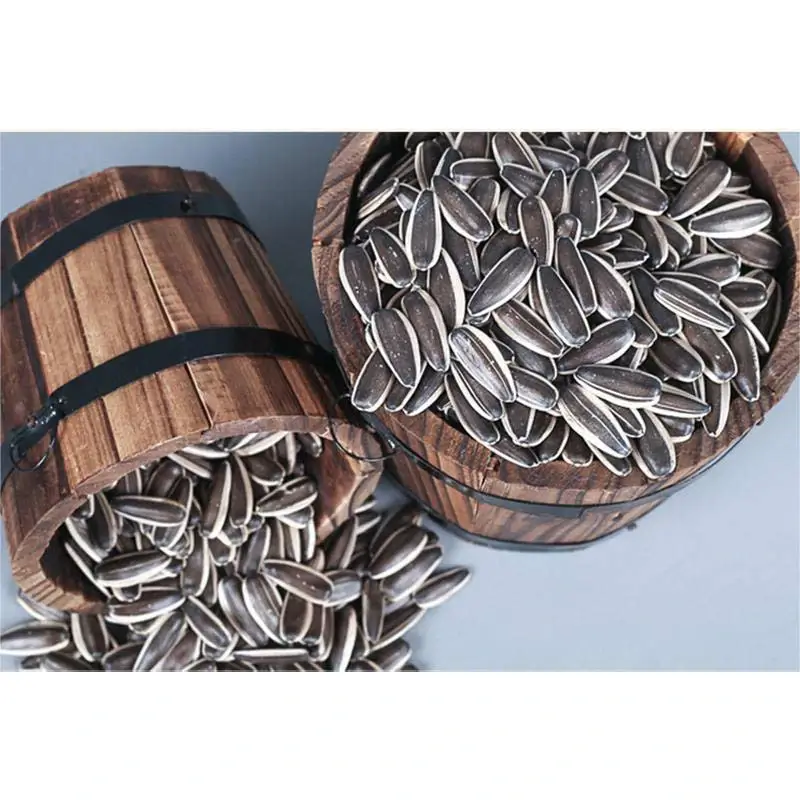
Raw sunflower seeds are susceptible to several failure modes. Microbial spoilage, particularly mold growth leading to aflatoxin contamination, is a primary concern. This is accelerated by high moisture content and improper storage conditions. Insect infestation, particularly by storage beetles, results in seed damage and reduced oil quality. Physical damage, such as cracking and chipping during handling, reduces seed integrity and increases oil loss during processing. Oxidation of lipids, leading to rancidity, occurs over time, particularly in the presence of oxygen and light. Delamination (separation of the hull from the kernel) reduces processing efficiency and oil yield. Maintenance strategies focus on preventative measures. Proper drying and storage in temperature-controlled, well-ventilated silos are critical. Regular monitoring for moisture content, temperature, and insect activity is essential. Effective pest control programs, employing both physical barriers and approved insecticides, are necessary. Implementing first-in, first-out (FIFO) inventory management minimizes storage time. Packaging materials should provide a barrier to oxygen and moisture. Regular cleaning of storage facilities prevents the buildup of dust and debris, reducing the risk of microbial growth and insect harborage. Visual inspection of seed batches for damage and discoloration allows for early detection of potential quality issues.
Industry FAQ
Q: What is the acceptable level of free fatty acids (FFA) in raw sunflower seeds, and how does it impact oil quality?
A: The acceptable FFA level typically ranges from 0.5% to 1.5% (as oleic acid). Higher FFA levels indicate lipid hydrolysis, often due to improper storage or seed damage, resulting in lower oil quality, increased acidity, and a shorter shelf life for the extracted oil. High FFA can also increase refining costs.
Q: How are sunflower seeds graded, and what are the key criteria used in the grading process?
A: Sunflower seeds are graded based on several criteria, including oil content, kernel soundness (percentage of intact kernels), foreign material content (FM), damaged kernels (DK), and moisture content. Grading standards vary by region and regulatory body, but generally, higher grades indicate higher oil content, lower FM and DK, and optimal moisture levels.
Q: What are the primary differences between confectionary sunflower seeds and oilseed sunflower seeds in terms of their characteristics and intended use?
A: Confectionary sunflower seeds are typically larger, with a thinner hull and a higher kernel-to-hull ratio, making them easier to crack and consume. They often have a lighter color and a milder flavor. Oilseed sunflower seeds, conversely, are bred for maximum oil yield, often having a darker hull and a smaller kernel size. They are primarily used for oil extraction.
Q: What are the key regulatory requirements regarding aflatoxin levels in sunflower seeds destined for human consumption in the European Union?
A: The European Union has stringent regulations regarding aflatoxin levels. Commission Regulation (EC) No 1881/2006 sets maximum limits for aflatoxins in various food products, including sunflower seeds. The maximum permissible level for total aflatoxins (B1, B2, G1, and G2) is typically 2.5 µg/kg (ppb). Regular testing and adherence to good agricultural practices are crucial to comply with these regulations.
Q: What are the best practices for preventing insect infestation during long-term storage of raw sunflower seeds?
A: Best practices include maintaining low moisture content (≤8%), ensuring proper ventilation within storage silos, implementing a robust pest control program involving regular inspections and approved insecticides, sealing storage facilities to prevent insect entry, and utilizing aeration techniques to maintain uniform temperature and prevent condensation.
Conclusion
Raw sunflower seeds represent a complex agricultural commodity demanding rigorous quality control and a detailed understanding of its material properties and potential failure modes. Maintaining optimal moisture content, minimizing physical damage, and implementing effective pest control measures are crucial for preserving seed integrity and maximizing oil yield. The stringent regulatory requirements concerning aflatoxin contamination necessitate consistent monitoring and adherence to good manufacturing practices throughout the supply chain.
Future advancements in sunflower breeding are focusing on developing varieties with higher oil content, improved disease resistance, and enhanced hulling characteristics. Furthermore, innovations in storage technologies, such as modified atmosphere storage and the use of bio-based packaging materials, promise to extend shelf life and reduce post-harvest losses. A comprehensive approach encompassing optimized cultivation practices, meticulous processing, and robust quality assurance protocols will continue to be paramount for ensuring a sustainable and reliable supply of high-quality raw sunflower seeds.
