Introduction
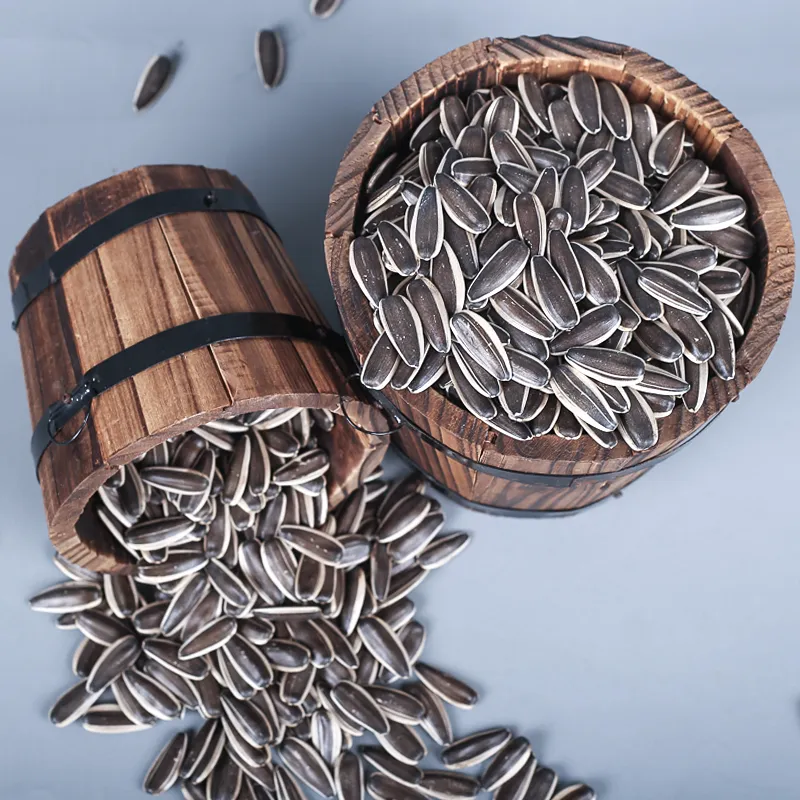
Raw sunflower seeds ( Helianthus annuus) represent a critical intermediate product within the agricultural commodity chain, positioned between primary agricultural production and the consumer packaged goods market. These seeds, harvested from the sunflower head, are primarily valued for their oil content, but also serve as a direct food source for human consumption and a protein-rich component in animal feed. Their technical significance lies in their inherent oil yield, protein composition, fatty acid profile, and susceptibility to factors impacting seed quality such as moisture content, storage conditions, and genetic variability. Core performance characteristics include oil content (typically 40-50% by weight), protein content (18-25%), moisture content (ideally below 9%), and levels of unsaturation in fatty acids which impact oxidative stability. The industry faces persistent challenges related to maintaining consistent seed quality, minimizing mycotoxin contamination (particularly aflatoxins), and optimizing oil extraction efficiency during processing.
Material Science & Manufacturing
Sunflower seeds are a biological composite material. The hull, or pericarp, comprises approximately 25-30% of the seed weight and is primarily composed of cellulose, hemicellulose, and lignin – providing structural integrity. The kernel, representing the edible portion, contains primarily carbohydrates, proteins, lipids (triglycerides), and minor components like vitamins, minerals, and phenolic compounds. The lipid fraction is dominated by linoleic acid (omega-6 polyunsaturated fatty acid) and oleic acid (omega-9 monounsaturated fatty acid), influencing the seed oil’s characteristics.
Manufacturing begins with field harvesting, followed by drying to reduce moisture content to acceptable levels for storage (typically 8-9%). Drying methods include sun drying, forced-air drying, and controlled temperature drying. The efficacy of drying directly impacts seed quality; rapid drying minimizes microbial growth but can cause stress cracks. Subsequent processing involves dehulling, which removes the protective outer shell, and cleaning to eliminate foreign matter. Dehulling is often achieved mechanically through abrasive techniques or impact methods. Quality control at this stage focuses on minimizing kernel damage and retaining intact seed coats. Grading is performed based on seed size, color, and the presence of damaged seeds. Finally, storage is a critical phase, requiring controlled temperature (typically below 15°C) and humidity (below 65%) to prevent lipid oxidation, protein denaturation, and microbial proliferation. Proper aeration is also crucial to maintain seed viability and prevent heating. Parameter control during drying, dehulling, cleaning, and storage are all vital to maintain acceptable quality.
Performance & Engineering
The structural integrity of sunflower seeds is fundamental to efficient handling and processing. Force analysis reveals that the hull exhibits high compressive strength, while the kernel is more susceptible to cracking under impact. This influences the design of dehulling machinery and transportation systems. Environmental resistance is primarily related to moisture absorption and susceptibility to fungal growth. High moisture content promotes the proliferation of Aspergillus species, leading to aflatoxin contamination – a major food safety concern. Aflatoxins are potent carcinogens and are strictly regulated by international standards. Engineering controls include the application of fungicidal treatments (where permitted by regulations), improved drying techniques, and hermetic storage to limit oxygen availability and microbial growth. Compliance requirements dictate stringent testing for aflatoxin levels, pesticide residues, and heavy metal contamination. The seeds' oil content influences extraction efficiency; optimizing pressing or solvent extraction processes requires careful consideration of seed size distribution and oil body structure. The inherent tensile strength of the hull affects the breakage rate during dehulling, which must be minimized to maximize kernel recovery.
Technical Specifications
| Parameter | Unit | Typical Value | Testing Method |
|---|---|---|---|
| Oil Content (Dry Basis) | % | 42-50 | Soxhlet Extraction (AOCS Am 2-91) |
| Protein Content (Dry Basis) | % | 18-25 | Kjeldahl Method (AOCS Am 3-17) |
| Moisture Content | % | < 9 | Oven Drying (AOCS Ca 14-15) |
| Linoleic Acid (C18:2) Content | % of Total Fatty Acids | 50-70 | Gas Chromatography (AOCS Cc 27-19) |
| Oleic Acid (C18:1) Content | % of Total Fatty Acids | 15-40 | Gas Chromatography (AOCS Cc 27-19) |
| Aflatoxin B1 (Maximum) | ppb | < 20 | ELISA or HPLC (AOAC 999.04) |
Failure Mode & Maintenance
Failure modes in raw sunflower seeds primarily manifest as quality degradation, rather than catastrophic mechanical failure. However, understanding these modes is crucial for optimizing storage and handling. Lipid Oxidation is a significant failure mechanism, leading to rancidity, reduced oil quality, and the formation of harmful oxidation products. This is accelerated by exposure to oxygen, light, and elevated temperatures. Mycotoxin Contamination, specifically by aflatoxins, represents a severe failure mode, rendering the seeds unsuitable for human or animal consumption. Cracking and Mechanical Damage during harvesting, dehulling, or transportation reduce seed quality and increase susceptibility to microbial attack. Moisture Absorption leads to increased respiration rates, microbial growth, and lipid hydrolysis. Insect Infestation can cause direct damage and introduce contaminants. Maintenance strategies center around preventative measures. This includes strict quality control during drying, proper storage conditions (low temperature, low humidity, hermetic sealing), regular monitoring for moisture content and aflatoxin levels, and effective pest control programs. Seed treatment with appropriate fungicides (where regulations allow) can mitigate fungal growth. Implementing robust cleaning procedures minimizes foreign matter and reduces the risk of contamination. Regular inspection for cracking and damage allows for prompt identification and segregation of substandard material.
Industry FAQ
Q: What is the primary factor influencing the storage life of raw sunflower seeds?
A: Moisture content is the paramount factor. Maintaining a moisture content below 9% significantly inhibits microbial growth and enzymatic activity, thereby extending storage life. Temperature control is also critical; lower temperatures slow down degradation processes.
Q: What are the implications of high free fatty acid (FFA) levels in raw sunflower seeds?
A: Elevated FFA levels indicate lipid hydrolysis, suggesting degradation of the oil. This reduces oil quality, lowers refining yield, and can lead to rancidity. High FFA levels are often a consequence of improper storage or delayed processing.
Q: How are aflatoxin levels typically monitored and controlled?
A: Aflatoxin levels are routinely monitored using ELISA (Enzyme-Linked Immunosorbent Assay) or HPLC (High-Performance Liquid Chromatography) techniques. Control measures include pre-harvest crop management, proper drying, storage in hermetically sealed containers, and potentially, the application of approved fungicides.
Q: What is the significance of the hull percentage in raw sunflower seeds?
A: Hull percentage affects processing efficiency and oil yield. Higher hull content necessitates more aggressive dehulling, potentially leading to kernel damage. Lower hull content generally results in higher oil yield, but the hull provides some protection during storage.
Q: What parameters are considered when evaluating the quality of a sunflower seed shipment for large-scale oil extraction?
A: Key parameters include oil content, moisture content, FFA levels, hull percentage, kernel soundness (percentage of broken or damaged kernels), aflatoxin levels, and the overall level of foreign matter. These parameters directly impact oil yield, oil quality, and processing costs.
Conclusion
Raw sunflower seeds represent a complex agricultural commodity requiring meticulous attention to material science principles and engineering controls throughout the entire supply chain. Maintaining seed quality, minimizing contamination risks (particularly aflatoxins), and optimizing storage conditions are critical for preserving value and ensuring suitability for downstream processing. The inherent physical and chemical properties of the seeds dictate appropriate handling and storage methodologies.
Future advancements in sunflower seed technology will likely focus on developing cultivars with increased oil content, improved fatty acid profiles, and enhanced resistance to fungal pathogens. Furthermore, the implementation of advanced sensing technologies for real-time monitoring of moisture content and aflatoxin levels will enable proactive quality control measures. Adherence to international standards and best practices is paramount for ensuring the safety and quality of raw sunflower seeds in the global marketplace.
