Introduction
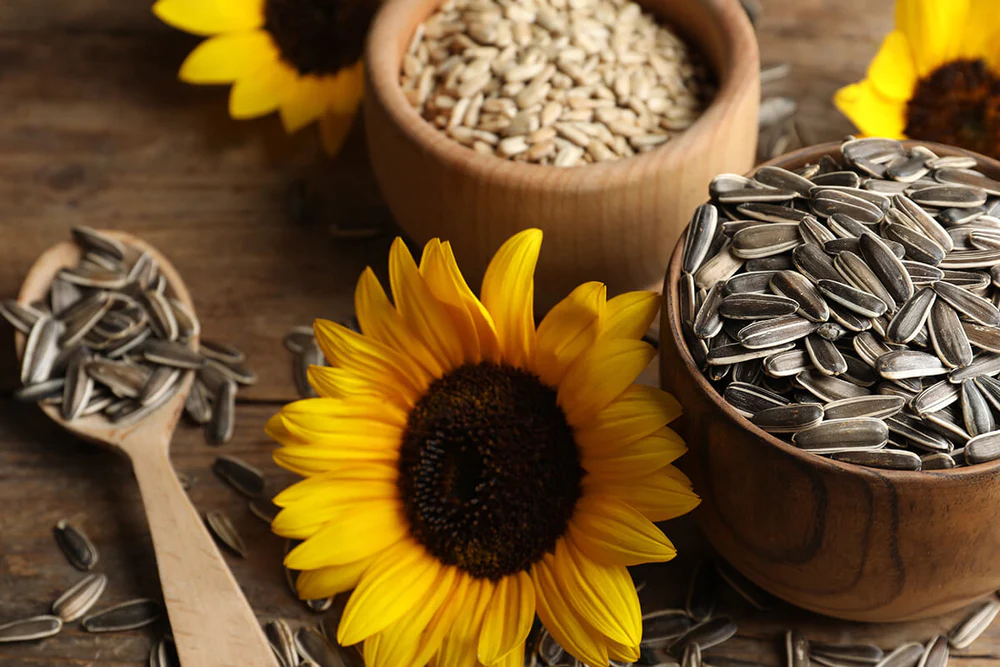
Raw sunflower seeds, Helianthus annuus, represent a significant agricultural commodity within the global oilseed and snack food industries. This technical guide provides an in-depth analysis of the manufacturing, material science, performance characteristics, and potential failure modes associated with raw sunflower seeds destined for processing into oil, confectionary products, or animal feed. Positioned upstream in the food supply chain, quality control at the raw seed level is paramount, directly impacting downstream efficiency, product quality, and ultimately, consumer safety. Core performance indicators include oil content, kernel size and uniformity, moisture content, and levels of undesirable contaminants such as foreign material and mycotoxins. The stringent requirements for these characteristics present a consistent challenge for manufacturers, demanding precise control over cultivation, harvesting, drying, and initial processing techniques. This guide aims to provide manufacturers with the detailed technical information necessary to optimize their processes and meet evolving industry standards.
Material Science & Manufacturing
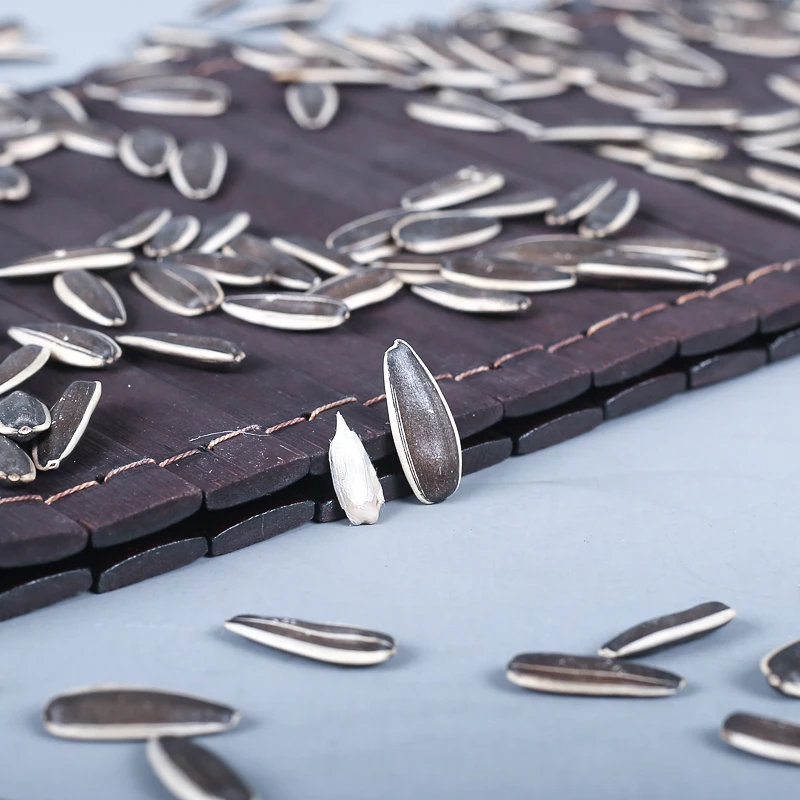
Sunflower seeds are comprised of three primary components: the hull (pericarp), the kernel (cotyledon), and the embryo. The hull, typically accounting for 20-50% of the seed’s weight depending on the variety, is composed primarily of cellulose, hemicellulose, and lignin, offering structural rigidity but also contributing to processing inefficiencies during oil extraction. The kernel, the economically valuable portion, consists of approximately 50-65% oil, 20-25% protein, and 10-15% carbohydrates. The oil is predominantly linoleic acid (a polyunsaturated omega-6 fatty acid) with significant amounts of oleic acid (a monounsaturated fatty acid), affecting oxidative stability and nutritional value. Manufacturing begins with field cultivation, focusing on hybrid varieties selected for high oil content and disease resistance. Harvesting typically occurs when seed moisture content reaches 18-22%. Immediately following harvest, drying is critical to reduce moisture content to 8-9% to prevent fungal growth and lipid peroxidation. This is commonly achieved through forced-air drying, employing precise temperature control (typically below 45°C) to minimize protein denaturation and oil quality degradation. Subsequent cleaning processes remove debris (chaff, stems, leaves) using a combination of screens, aspiration, and gravity separation. Kernel size grading is also performed to ensure uniformity for downstream processing. The control of drying temperature and duration is paramount; rapid drying can induce stress cracks in the kernel, increasing susceptibility to microbial invasion, while insufficient drying promotes mold growth and aflatoxin production. The selection of appropriate drying equipment and maintenance protocols is crucial for consistent quality.
Performance & Engineering
The performance of raw sunflower seeds is fundamentally linked to their physical and chemical properties. Kernel hardness, measured using the Shatter Index, is a critical parameter influencing oil extraction efficiency. A higher Shatter Index indicates a more brittle kernel, facilitating easier oil release but also increasing the potential for fines generation (small kernel fragments) that can complicate filtration. Moisture content directly affects storage stability. Above 9%, enzymatic activity accelerates lipid oxidation, leading to rancidity and reduced oil quality. The water activity (aw) value, a more accurate indicator of microbial growth potential than moisture content alone, must be maintained below 0.6. Bulk density, a measure of seed packing, impacts storage capacity and transportation costs. Engineering considerations involve the design of storage silos to ensure proper aeration and temperature control, preventing the formation of hot spots that encourage mold growth. Additionally, the design of cleaning and grading equipment must account for the abrasive nature of sunflower seeds and minimize kernel damage. Compliance requirements include adherence to maximum permissible levels of heavy metals (lead, cadmium), pesticide residues, and mycotoxins (aflatoxins, ochratoxins) as stipulated by regulatory bodies like the FDA (US) and EFSA (Europe). Force analysis during handling and transport is essential to minimize kernel breakage and maintain overall seed integrity.
Technical Specifications
| Parameter | Unit | Typical Range | Testing Method |
|---|---|---|---|
| Oil Content (Dry Basis) | % | 42-58 | NMR (Nuclear Magnetic Resonance) Spectroscopy; Soxhlet Extraction |
| Moisture Content | % | 8-9 | Oven Drying (ASTM D955) |
| Kernel Shatter Index | % | 5-15 | Kernel Hardness Tester (e.g., DICKEY-john) |
| Hull Content | % | 20-50 | Visual Inspection & Weight Separation |
| Foreign Material | % | <0.5 | Visual Inspection & Sieving |
| Aflatoxin B1 | ppb | <20 | HPLC (High-Performance Liquid Chromatography) – ELISA (Enzyme-Linked Immunosorbent Assay) |
Failure Mode & Maintenance
Raw sunflower seeds are susceptible to several failure modes. Microbial contamination, particularly by Aspergillus species, leading to aflatoxin production, is a primary concern. This is exacerbated by inadequate drying and improper storage conditions. Lipid oxidation, resulting in rancidity and reduced oil quality, occurs due to exposure to oxygen, light, and elevated temperatures. Kernel cracking and breakage during handling and processing can increase fines generation and reduce oil extraction efficiency. Insect infestation can cause significant losses and introduce undesirable contaminants. Maintenance of drying equipment is crucial, including regular cleaning of air ducts and filter replacement to prevent dust buildup and ensure optimal airflow. Storage silos require periodic inspection for structural integrity and proper sealing to prevent moisture ingress and pest access. Implementing a robust pest management program is essential, employing preventative measures such as regular cleaning and sanitation, as well as appropriate insecticide application when necessary (following all regulatory guidelines). Regular testing for aflatoxins and other mycotoxins is vital for ensuring product safety. Preventative maintenance schedules, including calibration of moisture meters and inspection of harvesting equipment, can minimize kernel damage and maintain overall seed quality.
Industry FAQ
Q: What is the acceptable level of foreign material in raw sunflower seeds intended for human consumption?
A: The acceptable level of foreign material (e.g., stems, leaves, weed seeds, stones) is generally limited to less than 0.5% by weight, as stipulated by many industry standards and regulatory bodies like the FDA. Higher levels can indicate poor harvesting or cleaning practices and may pose a safety hazard.
Q: How does moisture content impact the storage life of raw sunflower seeds?
A: Moisture content is a critical factor. Above 9%, enzymatic activity increases, accelerating lipid oxidation and potentially leading to aflatoxin development. Maintaining a moisture content of 8-9% is essential for maximizing storage life. Proper aeration and temperature control within storage facilities are also crucial.
Q: What are the primary methods used to detect aflatoxin contamination in sunflower seeds?
A: The most common methods for aflatoxin detection are HPLC (High-Performance Liquid Chromatography) and ELISA (Enzyme-Linked Immunosorbent Assay). HPLC offers higher accuracy but requires more specialized equipment and trained personnel, while ELISA is a faster and more cost-effective screening method.
Q: What is the significance of the "Shatter Index" in assessing sunflower seed quality?
A: The Shatter Index indicates kernel hardness. A higher index suggests easier oil extraction but also a greater propensity for generating fines (small kernel fragments). Optimal Shatter Index values vary depending on the intended processing method but typically fall within the 5-15% range.
Q: How can manufacturers mitigate the risk of lipid oxidation during storage?
A: Lipid oxidation can be minimized by storing seeds in a cool, dry, and dark environment. Using airtight storage containers, implementing proper aeration to prevent moisture buildup, and adding antioxidant additives (where permitted by regulations) can further reduce oxidation rates.
Conclusion
The successful production of high-quality raw sunflower seeds requires a comprehensive understanding of the interplay between material science, manufacturing processes, and potential failure modes. Precise control over cultivation practices, harvesting techniques, and post-harvest handling – particularly drying and storage – is essential to ensure optimal oil content, minimize contamination, and maximize storage stability. Continuous monitoring of key parameters, adherence to stringent quality control standards, and proactive maintenance of processing equipment are paramount for maintaining product integrity and meeting evolving industry demands.
Future trends in sunflower seed manufacturing are likely to focus on developing improved drying technologies, enhancing aflatoxin detection methods, and implementing more sustainable agricultural practices. Genomic selection for varieties with increased oil content and improved resistance to disease and pests will also play a crucial role. Manufacturers who invest in these areas will be well-positioned to thrive in a competitive and increasingly regulated marketplace.
