Introduction
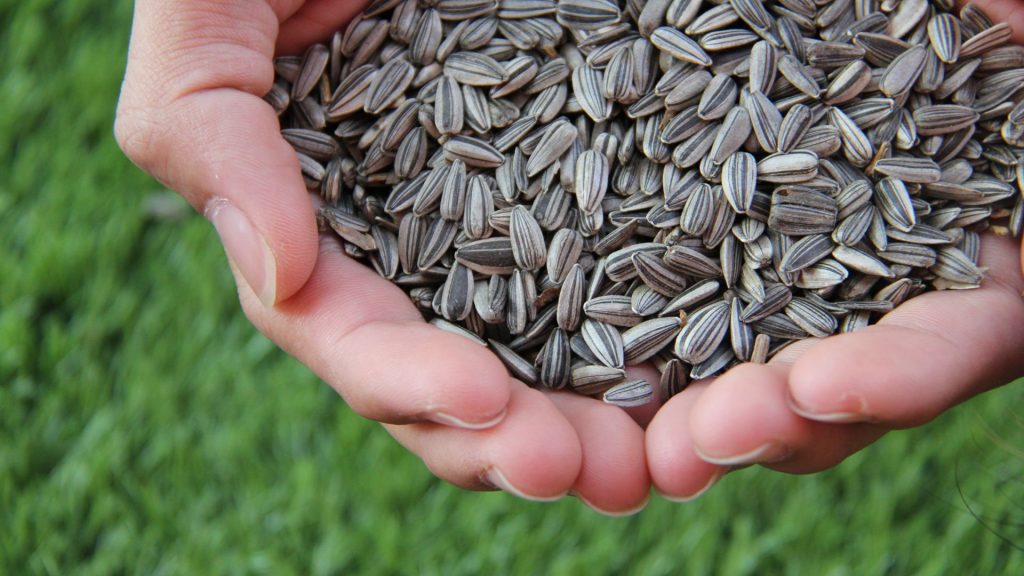
Raw sunflower seeds, Helianthus annuus, represent a crucial intermediary commodity within the global food and oilseed processing industries. Positioned between agricultural production and subsequent refining/consumption stages, their quality directly impacts downstream processes like oil extraction, confectionary production, and animal feed formulation. This guide details the scientific and engineering principles governing raw sunflower seed characteristics, manufacturing processes, quality control, potential failure modes, and relevant industry standards. Core performance parameters include oil content, moisture content, kernel soundness, and foreign material presence. The industry faces key challenges related to maintaining consistent seed quality across variable growing conditions, minimizing mycotoxin contamination, and optimizing storage to prevent degradation.
Material Science & Manufacturing
Sunflower seeds, biologically endosperm tissue, are composed primarily of lipids (40-55% oil), proteins (18-25%), carbohydrates (15-20%), and fiber (6-12%). The hull (pericarp) accounts for 20-30% of the seed weight and consists largely of cellulose and lignin, providing structural integrity. Seed oil composition is dominated by linoleic acid (typically 50-70%), followed by oleic acid (20-40%) and palmitic acid (4-8%). Manufacturing commences with harvesting, typically employing combine harvesters. Subsequent cleaning removes chaff, stems, leaves, and other field debris using a combination of air separation, screening, and aspiration. Drying is critical, reducing moisture content from approximately 30% (immediately post-harvest) to 8-10% to inhibit microbial growth and enzymatic activity. This is often achieved using forced-air drying systems with precise temperature control (typically 40-60°C) to prevent protein denaturation and oil oxidation. Hulling, while not always performed for raw seeds destined for confectionary use, employs impact or friction-based methods to remove the pericarp, increasing oil yield for processing. Parameter control during drying is paramount; excessive temperatures lead to protein damage and reduced oil quality, while insufficient drying promotes mold growth and aflatoxin production. Seed variety (high oleic vs. linoleic) significantly influences oil stability and processing characteristics.
Performance & Engineering
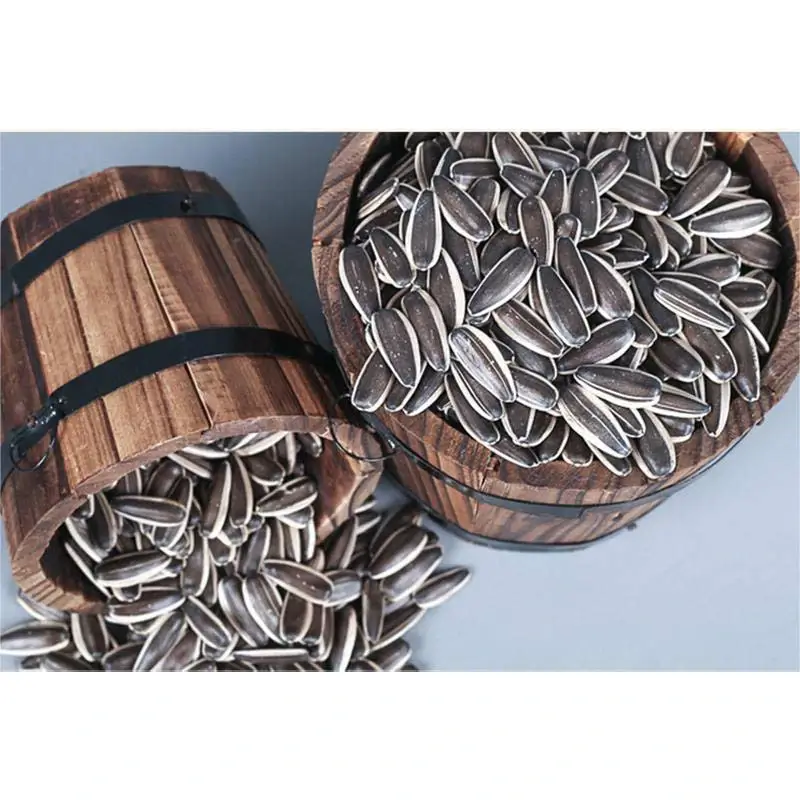
Performance evaluation of raw sunflower seeds centers on several key engineering considerations. Bulk density, influenced by seed size, shape, and moisture content, dictates storage volume and handling characteristics. Impact resistance, crucial during handling and processing, is directly related to hull strength and kernel integrity. Flowability, essential for efficient conveying and metering, is affected by seed shape and surface friction. Environmental resistance encompasses susceptibility to moisture re-absorption (affecting microbial growth), temperature fluctuations (influencing oil stability), and pest infestation. Compliance requirements are stringent, dictated by food safety regulations (e.g., FDA in the US, EFSA in Europe) concerning aflatoxin levels, pesticide residues, and heavy metal content. Aflatoxin B1, a potent carcinogen produced by Aspergillus molds, is a primary concern, necessitating rigorous testing and implementation of preventative measures like proper drying and storage conditions. Force analysis in handling systems must account for seed fragility to minimize kernel breakage. The moisture content gradient within a bulk seed mass generates internal stresses, potentially leading to cracking and quality degradation during storage.
Technical Specifications
| Parameter | Unit | Typical Value (Confectionary Grade) | Typical Value (Oilseed Grade) |
|---|---|---|---|
| Oil Content (Dry Basis) | % | 40-45 | 48-58 |
| Moisture Content | % | 8-10 | 8-10 |
| Kernel Soundness (%) | % | >98 | >95 |
| Foreign Matter (%) | % | <1 | <2 |
| Aflatoxin B1 | ppb | <2 | <5 |
| Hull Content | % | 30-40 | 10-20 |
Failure Mode & Maintenance
Common failure modes for raw sunflower seeds relate to quality degradation during storage and handling. Lipid oxidation, driven by exposure to oxygen, light, and heat, leads to rancidity and reduced oil quality. Microbial growth, particularly Aspergillus species, results in aflatoxin contamination and seed spoilage. Physical damage, including kernel cracking and hull breakage, occurs due to improper handling or impact forces. Insect infestation can cause significant losses and introduces undesirable contaminants. Maintenance of seed quality requires strict adherence to storage protocols: maintaining low temperature (below 15°C) and humidity (below 65%), employing airtight storage containers, and regular monitoring for pests and mold growth. Periodic analysis for aflatoxin levels is crucial. Preventative measures during handling include minimizing drop heights, employing gentle conveying systems, and avoiding prolonged exposure to sunlight. Proper cleaning and sanitation of storage facilities are essential to control microbial and insect populations. Implementing a robust First-In, First-Out (FIFO) inventory management system minimizes storage duration and reduces the risk of quality deterioration.
Industry FAQ
Q: What is the acceptable level of hull content in raw sunflower seeds intended for confectionary use?
A: Typically, confectionary-grade raw sunflower seeds should have a hull content between 30-40%. Higher hull content can impact the eating experience, while excessively low hull content may indicate aggressive dehulling which can damage the kernel.
Q: How does seed moisture content affect aflatoxin risk?
A: Higher moisture content promotes the growth of Aspergillus molds, significantly increasing the risk of aflatoxin contamination. Maintaining a moisture content below 10% is crucial for minimizing this risk.
Q: What are the key indicators of lipid oxidation in raw sunflower seeds?
A: Indicators include a rancid odor, increased peroxide value, and elevated levels of free fatty acids. Lipid oxidation negatively impacts oil quality and reduces the shelf life of the seeds.
Q: What storage conditions are recommended to minimize quality loss during long-term storage?
A: Optimal storage conditions include a cool temperature (below 15°C), low humidity (below 65%), airtight containers, and protection from direct sunlight. Regular monitoring for pests and mold growth is also recommended.
Q: How are sunflower seeds graded based on quality parameters?
A: Grading standards vary by region and end-use application. Common grading factors include oil content, moisture content, kernel soundness, foreign matter presence, and aflatoxin levels. These factors are assessed using standardized testing procedures and contribute to determining the seed's market value.
Conclusion
Raw sunflower seeds represent a biologically complex commodity requiring meticulous attention to material science and engineering principles throughout the supply chain. Maintaining consistent quality hinges on precise control of harvesting, drying, cleaning, and storage processes. Understanding the critical parameters influencing oil content, moisture levels, and kernel integrity is fundamental to mitigating risks associated with lipid oxidation, microbial contamination, and physical damage.
Future developments will likely focus on advanced drying technologies to minimize energy consumption and prevent quality degradation, improved storage solutions incorporating modified atmosphere packaging, and enhanced analytical methods for rapid and accurate aflatoxin detection. Continuous refinement of quality control protocols and adherence to evolving international standards will be essential to ensuring the safety and marketability of raw sunflower seeds in a competitive global landscape.
