Introduction
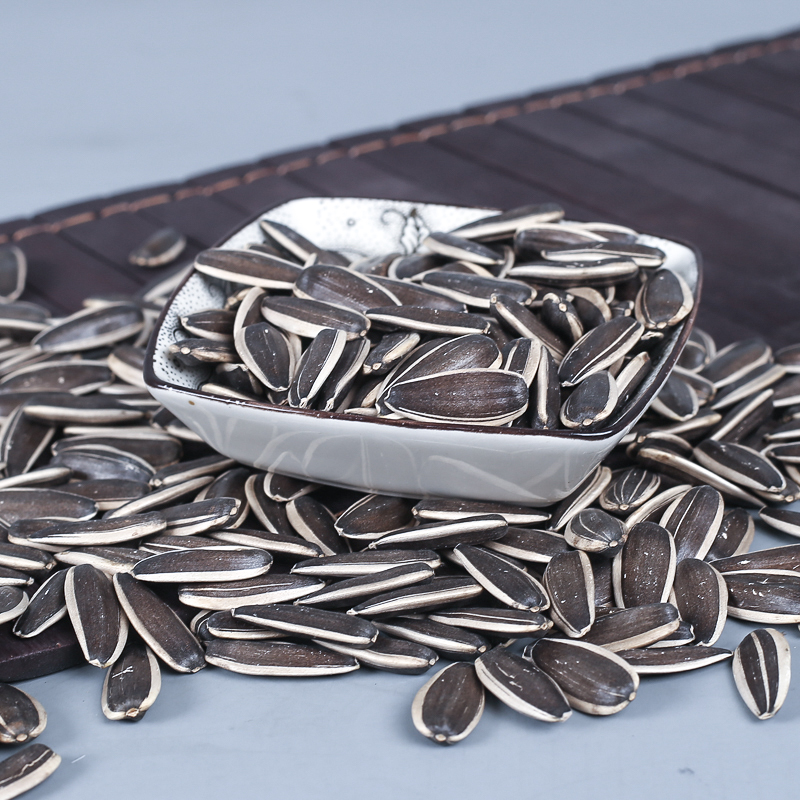
Raw sunflower seeds represent a foundational commodity within the broader edible oilseed and snack food industries. A ‘raw sunflower seeds factory’ denotes a processing facility specializing in the initial stages of sunflower seed handling – encompassing cleaning, drying, dehulling, and grading – prior to further processing into oil, confectionery seeds, or animal feed. These facilities operate as a critical link in the agricultural supply chain, demanding stringent quality control and adherence to food safety standards. The primary performance indicators for a raw sunflower seed factory center around seed quality (oil content, protein content, moisture content, foreign material), processing efficiency (throughput, yield, energy consumption), and adherence to regulatory requirements. This guide provides a comprehensive technical overview of the raw sunflower seed factory, from material science to failure modes and maintenance, addressing the core concerns of procurement and engineering professionals.
Material Science & Manufacturing
Sunflower seeds (Helianthus annuus) are composed of approximately 35-55% oil, 20-28% protein, 15-20% hull, and 5-10% moisture. The oil is primarily linoleic acid (omega-6 fatty acid) with varying amounts of oleic acid, palmitic acid, and stearic acid, influencing its stability and suitability for different applications. The hull, composed of cellulose and lignin, provides physical protection but is removed in most confectionery applications. Manufacturing begins with harvesting, where moisture content is crucial (typically 8-12%). The seeds are then cleaned to remove debris (stalks, leaves, stones) via screening, aspiration, and magnetic separation. Drying, using forced-air systems, reduces moisture content to 6-8% to inhibit mold growth and enzymatic activity. Dehulling involves mechanical abrasion to remove the hull, a process optimized by adjusting impact force and surface texture. Grading classifies seeds based on size, shape, and color, ensuring uniformity. Key parameter control during manufacturing includes maintaining appropriate temperature and airflow during drying to prevent cracking and lipid oxidation, calibrating dehulling machinery to minimize kernel damage, and monitoring seed moisture content throughout the process. Seed varieties also significantly impact processing parameters – oil content dictates pressing efficiency and oil quality, while hull thickness affects dehulling effectiveness. Furthermore, the presence of mycotoxins (aflatoxins) presents a significant concern necessitating rigorous monitoring and control.
Performance & Engineering
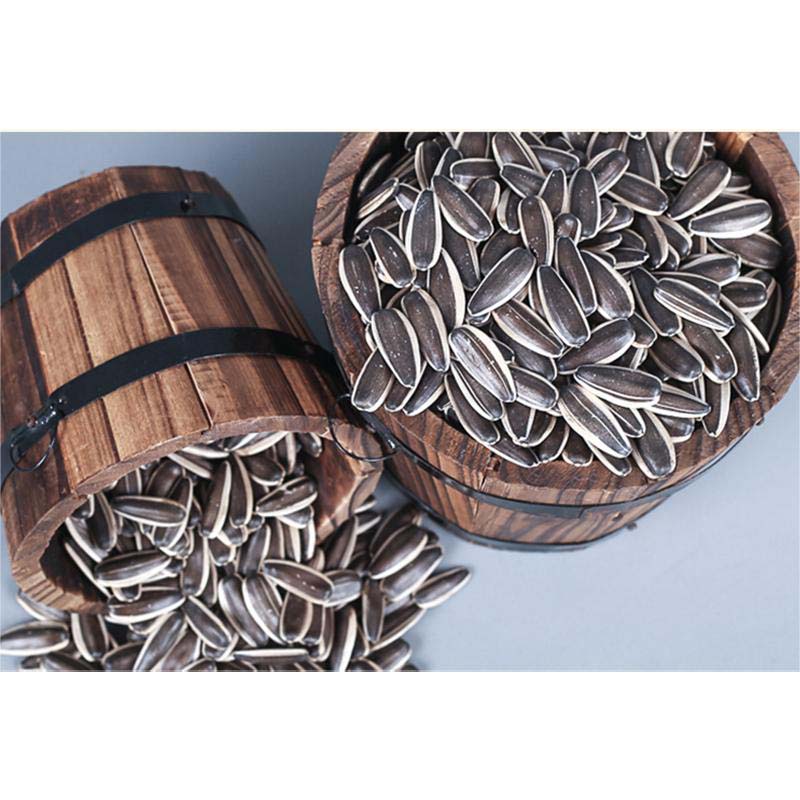
Performance analysis within a raw sunflower seed factory necessitates consideration of several engineering principles. Force analysis is critical during dehulling; the impact force must be sufficient to remove the hull without damaging the kernel. Material strength (tensile and compressive) of the kernel dictates the permissible impact force. Environmental resistance focuses on controlling humidity and temperature to prevent microbial growth and lipid peroxidation. Seed storage facilities must maintain a consistent temperature below 25°C and relative humidity below 65% to ensure seed viability and quality. Compliance requirements are primarily dictated by food safety regulations (HACCP, GMP) and seed quality standards set by national and international organizations. Functional implementation involves optimizing the flow of seeds through the processing line, minimizing bottlenecks, and ensuring efficient energy utilization. Dust control systems are essential not only for worker safety but also to prevent cross-contamination and maintain product purity. The design of conveying systems (belt conveyors, screw conveyors) must account for seed fragility and prevent damage during transport. Corrosion resistance of equipment is also paramount due to the presence of oils and moisture; stainless steel is commonly used for components in contact with the seeds.
Technical Specifications
| Parameter | Unit | Typical Range | Testing Method |
|---|---|---|---|
| Oil Content | % (Dry Basis) | 42-58 | Soxhlet Extraction (AOCS Official Method) |
| Moisture Content | % | 6-8 | Oven Drying Method (AACC Method 915.1) |
| Foreign Material | % | <0.5 | Visual Inspection & Sorting |
| Hull Content | % | <5 (for confectionery) | Screening & Weight Analysis |
| Kernel Damage (Broken/Cracked) | % | <3 | Visual Inspection & Sieving |
| Aflatoxin Levels | ppb | <20 | ELISA or HPLC Analysis (FDA/EU Regulations) |
Failure Mode & Maintenance
Failure modes in a raw sunflower seed factory can be categorized into mechanical failures, biological degradation, and process-related issues. Mechanical failures include bearing failures in conveyor systems (due to overloading or inadequate lubrication), cracking of dehulling drums (due to fatigue or material defects), and screen damage (due to impact or corrosion). Biological degradation primarily manifests as mold growth and aflatoxin contamination, exacerbated by high humidity and improper storage. Process-related issues include inconsistent drying leading to seed cracking, inefficient dehulling resulting in high hull content, and inadequate cleaning leading to contamination. Preventive maintenance is crucial, encompassing regular lubrication of machinery, inspection of conveyor belts for wear and tear, calibration of dehulling equipment, and monitoring of seed moisture content. Routine cleaning of storage facilities and dust collection systems is essential to prevent microbial growth and maintain hygiene. Failure analysis should involve identifying the root cause of failures (e.g., material fatigue, improper operation, inadequate maintenance) and implementing corrective actions. Regular testing for aflatoxins is mandatory, and any contaminated batches must be removed from the supply chain. Scheduled replacement of wear parts (screens, bearings, belts) based on operational hours and manufacturer’s recommendations is also crucial.
Industry FAQ
Q: What are the critical factors affecting oil yield in raw sunflower seeds?
A: Oil yield is significantly influenced by seed variety (oil content genetics), maturity stage at harvest, pre-harvest conditions (temperature, rainfall), and post-harvest handling (drying, storage). Maintaining optimal moisture content (6-8%) during drying and storage is paramount to prevent lipid oxidation and preserve oil quality and yield.
Q: How do you mitigate the risk of aflatoxin contamination in a raw sunflower seed factory?
A: Aflatoxin mitigation involves sourcing seeds from reputable suppliers with documented quality control procedures, implementing strict sanitation protocols in the factory, maintaining low moisture content during storage (below 65% relative humidity), and conducting regular testing for aflatoxins throughout the processing line. Any contaminated batches must be discarded.
Q: What is the optimal approach to dehulling to minimize kernel damage?
A: Optimal dehulling requires careful calibration of the dehulling equipment, adjusting the impact force and surface texture based on seed variety and moisture content. Minimizing the dwell time in the dehuller and controlling the feed rate are also crucial to prevent over-processing and kernel damage. Regular inspection of dehulling drums for wear and tear is essential.
Q: What are the key considerations for designing a dust collection system in a sunflower seed factory?
A: The dust collection system must be designed to handle the high dust load generated during dehulling and cleaning. It should incorporate high-efficiency particulate air (HEPA) filters to prevent dust emissions and ensure worker safety. The system must be properly grounded to prevent static electricity buildup, which could pose a fire hazard. Regular maintenance and filter replacement are crucial for optimal performance.
Q: What are the most important quality control parameters to monitor during the raw sunflower seed processing?
A: The most important parameters are oil content, moisture content, foreign material, hull content, kernel damage, and aflatoxin levels. These parameters should be monitored throughout the process, from incoming raw materials to finished product, to ensure consistent quality and compliance with regulatory requirements. Regular calibration of testing equipment is essential for accurate results.
Conclusion
The operation of a raw sunflower seeds factory is a complex interplay of material science, engineering principles, and rigorous quality control. Achieving optimal performance necessitates precise control over key parameters such as moisture content, dehulling force, and dust management. The long-term sustainability of these facilities depends on proactive maintenance strategies, including regular equipment inspections, timely replacement of wear parts, and adherence to stringent sanitation protocols.
Future trends in this industry are likely to focus on automation, improved seed varieties with higher oil content and lower hull percentages, and enhanced analytical techniques for rapid aflatoxin detection. Implementing advanced process control systems and utilizing data analytics to optimize energy consumption and minimize waste will be crucial for maintaining competitiveness in the global market. Prioritizing food safety and traceability throughout the supply chain remains paramount.
