
Introduction
Raw sunflower seed factories represent a critical initial stage in the global vegetable oil, confectionary, and animal feed supply chains. This guide provides an in-depth technical analysis of the processes, materials, and quality control measures inherent in the production of raw sunflower seeds intended for further processing. The industry faces increasing demands for higher oil yield, reduced aflatoxin contamination, and sustainable agricultural practices. Raw sunflower seeds, Helianthus annuus, are processed to remove debris, sized according to grade, and prepared for oil extraction or direct consumption. Maintaining seed integrity, minimizing damage during handling, and adhering to stringent quality standards are paramount. This guide will examine these aspects, detailing the key engineering considerations and material science principles governing the industry.
Material Science & Manufacturing
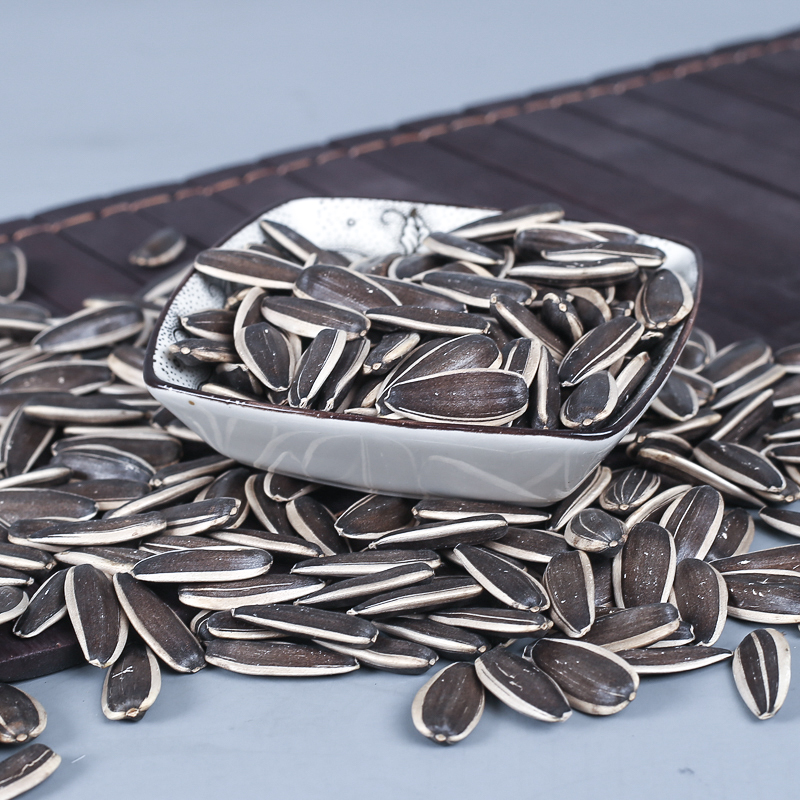
The primary raw material, sunflower seeds, exhibits complex physical and chemical properties directly impacting processing efficiency. The seed coat, or hull, comprises approximately 28-30% of the seed weight and is primarily cellulose and hemicellulose, providing structural integrity. The kernel, accounting for 60-65% of the seed, is rich in oil (40-50%), protein (18-25%), and carbohydrates. Moisture content is a critical parameter, ideally maintained between 8-10% to prevent fungal growth and ensure optimal oil extraction. The manufacturing process typically involves harvesting, drying (reducing moisture content to target levels using forced-air dryers), cleaning (removal of stalks, leaves, and dirt using screens and air separation), sizing (grading seeds based on diameter using screens), and dehulling (optional, depending on end-use). Drying is crucial, requiring precise temperature control (typically below 60°C to avoid protein denaturation and oil oxidation) and airflow rates. Hulling utilizes impact or friction methods, potentially causing kernel damage if not carefully controlled. Parameters like impact velocity, huller plate gap, and seed feed rate are critical. Chemical compatibility of materials used in processing equipment (stainless steel 304/316, polymers) with seed components is vital to prevent contamination and corrosion. Static electricity buildup during cleaning and drying requires grounding to mitigate fire hazards.
Performance & Engineering
Performance in raw sunflower seed processing is heavily reliant on maintaining seed quality and minimizing losses. Force analysis during handling (conveying, lifting, dropping) dictates equipment design to prevent kernel breakage. Impact forces are minimized through the use of cushioned conveying systems and controlled drop heights. Environmental resistance focuses on controlling temperature and humidity. High humidity promotes fungal growth and aflatoxin production. Temperature control during drying prevents oil degradation and protein denaturation. Compliance requirements include adherence to food safety regulations (e.g., HACCP – Hazard Analysis and Critical Control Points), pesticide residue limits (established by regulatory bodies like the FDA and EFSA), and aflatoxin limits (typically < 20 ppb). Functional implementation involves integrating cleaning, drying, sizing, and potentially dehulling operations into a continuous process. Seed flow rate, screen aperture size, and air velocity are critical operational parameters. The efficiency of air separation systems, measured by separation accuracy and throughput, impacts product purity. Dust collection systems are essential not only for safety (reducing explosion risk) but also for maintaining a clean processing environment.
Technical Specifications
| Parameter | Unit | Typical Range | Testing Method |
|---|---|---|---|
| Moisture Content | % | 8-10 | Oven Drying (ASTM D955) |
| Oil Content | % | 40-50 | Soxhlet Extraction (AOCS Official Method Ak 3.25) |
| Kernel Damage (Broken Kernels) | % | < 5 | Visual Inspection / Sieving |
| Foreign Matter | % | < 1 | Visual Inspection |
| Aflatoxin Content | ppb | < 20 | ELISA (Enzyme-Linked Immunosorbent Assay) |
| Seed Size (Diameter) | mm | 16-22 | Sieving |
Failure Mode & Maintenance
Failure modes in raw sunflower seed processing equipment are varied. Bearing failure in conveyors and dryers due to inadequate lubrication or contamination is common. Screen wear and blockage in cleaning and sizing equipment reduces separation efficiency. Dust buildup in air ducts and filters can lead to reduced airflow and fire hazards. Corrosion of metallic components due to seed acids and moisture exposure requires preventative measures. Aflatoxin contamination, a critical failure mode, stems from fungal growth during inadequate drying or storage. Kernel damage during handling leads to oil loss and reduced product value. Maintenance solutions include regular lubrication of bearings, periodic screen replacement, thorough dust collection system cleaning, corrosion-resistant coatings, and strict adherence to drying and storage protocols. Preventive maintenance schedules based on operating hours and seed throughput are essential. Regular inspections for cracks, wear, and corrosion are crucial. Aflatoxin testing should be performed routinely to ensure compliance with regulatory limits. Implementing a robust cleaning regime minimizes fungal spore proliferation.
Industry FAQ
Q: What are the primary causes of aflatoxin contamination in raw sunflower seeds and what preventative measures can be implemented?
A: Aflatoxin contamination is primarily caused by Aspergillus flavus and Aspergillus parasiticus fungi which thrive in warm, humid conditions. Preventative measures include rapid and thorough drying of seeds to below 10% moisture content, proper storage in well-ventilated, dry facilities, and implementing a robust sanitation program to minimize fungal spore presence. Regular aflatoxin testing is crucial for monitoring and identifying potential issues.
Q: How does seed damage during processing affect oil yield and quality?
A: Seed damage, such as kernel breakage and hull fractures, reduces oil yield by exposing the oil to oxidation and facilitating leakage during subsequent processing. Damaged seeds also exhibit lower oil quality due to increased free fatty acid content and the formation of undesirable oxidation products. Minimizing impact forces during handling and using appropriately sized screens and hulling equipment are crucial.
Q: What materials are recommended for construction of equipment that comes into direct contact with raw sunflower seeds?
A: Stainless steel (304 or 316 grade) is the preferred material for components in direct contact with seeds due to its corrosion resistance, durability, and ease of cleaning. Polymers should be food-grade and chemically compatible with seed components, avoiding materials that leach contaminants or degrade over time. Rubber components should be non-toxic and resistant to oil absorption.
Q: What are the key considerations for designing an effective dust collection system in a sunflower seed processing facility?
A: Dust collection systems must be designed to handle high dust loads, minimize explosion risks, and maintain airflow efficiency. Spark-proof components are essential, and the system should be grounded to prevent static electricity buildup. Filter selection should be based on particle size and dust concentration. Regular filter cleaning and maintenance are crucial for maintaining performance.
Q: What is the significance of seed sizing, and what are the typical sizing ranges used in the industry?
A: Seed sizing ensures uniformity in processing, facilitating efficient drying, hulling (if applicable), and oil extraction. Different size grades cater to specific end-use applications. Typical sizing ranges are 16-22mm in diameter, though this can vary based on the sunflower variety and desired product specifications. Sizing also removes immature or underdeveloped seeds that impact oil quality.
Conclusion
The successful operation of a raw sunflower seed factory hinges on a thorough understanding of material science, meticulous process control, and rigorous quality assurance. Maintaining optimal moisture content, minimizing seed damage, and preventing aflatoxin contamination are paramount for maximizing oil yield, ensuring product safety, and meeting stringent industry standards. Effective equipment design, preventive maintenance programs, and adherence to best practices in cleaning and sanitation are crucial elements of a robust operational strategy.
Future advancements will likely focus on optimized drying technologies, improved seed sorting techniques leveraging machine vision, and the development of aflatoxin-resistant sunflower varieties. Sustainability considerations, including water usage optimization and waste reduction, will also become increasingly important. Continuous monitoring of key performance indicators and proactive adaptation to evolving regulatory requirements are essential for long-term competitiveness in the raw sunflower seed industry.
