Introduction
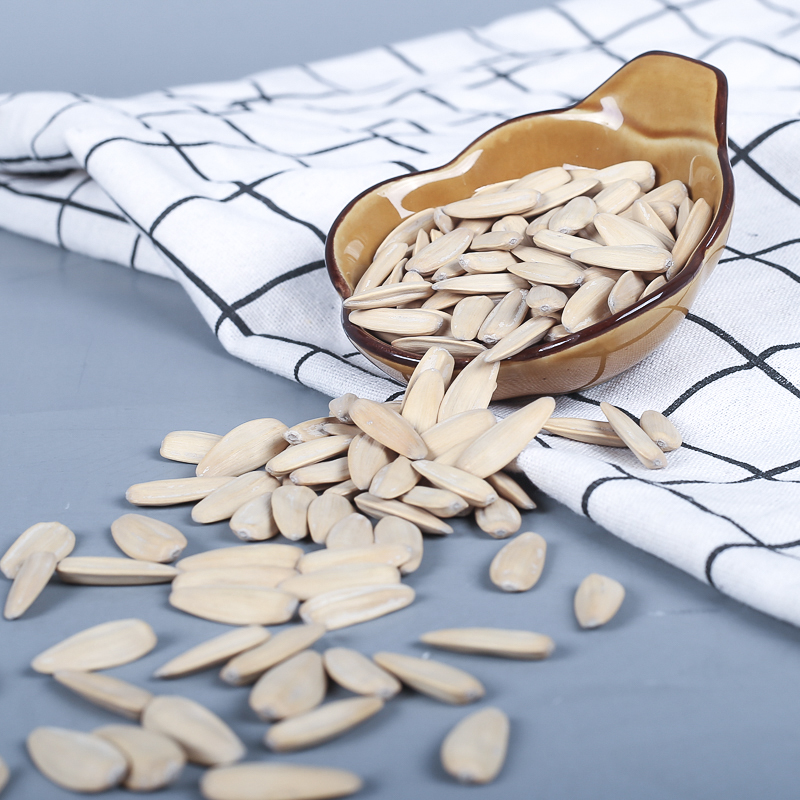
Raw sunflower seeds, Helianthus annuus, represent a significant commodity in the global agricultural market, positioned as a critical input for edible oil production, confectionary applications, and increasingly, for valuable protein extraction. This technical guide provides an in-depth examination of raw sunflower seeds intended for export, encompassing material science considerations, manufacturing processes, performance characteristics crucial for international trade, and potential failure modes affecting quality and shelf life. The industry faces core challenges regarding consistent kernel quality, minimizing mycotoxin contamination, optimizing oil yield, and complying with diverse import regulations across various jurisdictions. This document addresses these pain points, serving as a resource for exporters, importers, and quality control professionals.
Material Science & Manufacturing
Sunflower seeds are composed primarily of an oil-rich kernel (40-50% by weight) encased within a hull or husk (30-40% by weight). The kernel’s chemical composition consists largely of triglycerides, linoleic acid (a polyunsaturated fatty acid), oleic acid, palmitic acid, and stearic acid. The hull is primarily cellulose and lignin. Seed variety significantly impacts oil content and fatty acid profile. Manufacturing begins with field cultivation, focusing on hybrid seed selection optimized for oil yield and disease resistance. Harvesting timing is critical; premature harvesting results in lower oil content, while delayed harvesting increases susceptibility to fungal growth and mycotoxin production. Post-harvest processing involves cleaning to remove debris, drying to reduce moisture content (typically to 8-10% for storage stability), dehulling (optional, depending on end-use), sizing and grading based on kernel size and quality, and finally, quality control analysis. Drying is frequently achieved using forced-air systems, carefully controlling temperature to prevent protein denaturation and oil oxidation. Parameter control during drying - temperature (40-60°C), airflow rate, and drying time – directly impacts seed viability and oil quality. Dehulling, often mechanical, requires precise calibration to minimize kernel damage and maximize hull removal efficiency. Seed coats contain valuable antioxidants and preserving integrity is paramount when opting to retain the hulls.
Performance & Engineering
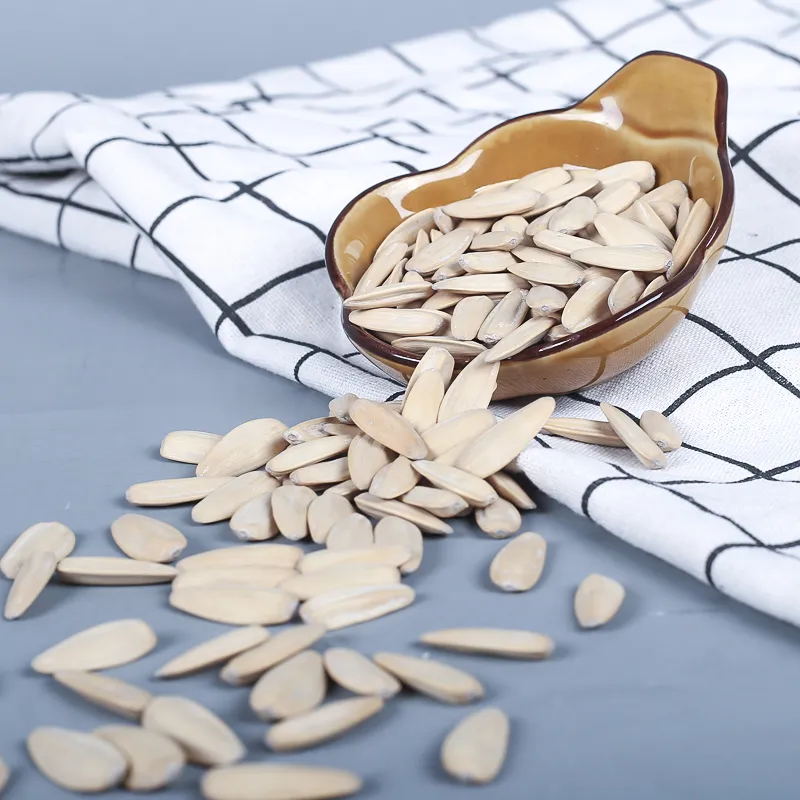
The performance of raw sunflower seeds, in the context of export, is defined by several critical engineering properties. Moisture content, as previously mentioned, is paramount; exceeding 10% significantly increases the risk of aflatoxin and other mycotoxin development during storage and transit. Kernel hardness is an indicator of oil content and processing suitability. Measured using impact force testing, hardness correlates with the energy required to fracture the kernel. Bulk density influences storage and transportation efficiency. A higher bulk density minimizes void space, reducing the risk of seed damage during handling. Flowability, assessed via angle of repose measurements, dictates the ease of unloading and processing. Seed size uniformity, quantified by sieve analysis, impacts dehulling efficiency and overall product consistency. Finally, resistance to mechanical damage during handling and transportation is crucial. Drop tests and vibration simulations are employed to assess seed durability and identify potential weaknesses in packaging and handling procedures. Compliance with international phytosanitary regulations, including freedom from quarantine pests and pathogens, is non-negotiable for successful export. Accurate documentation, traceable back to the source field, is essential for demonstrating compliance.
Technical Specifications
| Parameter | Unit | Typical Value (Black Oil Seeds) | Typical Value (Confectionary Seeds) |
|---|---|---|---|
| Oil Content (Dry Basis) | % | 40-50 | 38-45 |
| Moisture Content | % | 8-10 | 8-10 |
| Kernel Hardness (Impact Force) | N | 10-20 | 20-30 |
| Hull Content | % | 30-40 | 5-15 |
| Kernel Size (Diameter) | mm | 6-10 | 10-16 |
| Aflatoxin B1 Level | ppb | <2 ppb (Export Standard) | <2 ppb (Export Standard) |
Failure Mode & Maintenance
Failure modes in raw sunflower seeds during export and storage are multifaceted. Aflatoxin contamination, caused by Aspergillus flavus and Aspergillus parasiticus fungi, is a primary concern, particularly in warm, humid environments. Prevention relies on proper drying, storage sanitation, and potentially, the application of antifungal treatments (adhering to regulatory limits). Insect infestation, typically by storage beetles, leads to seed damage and reduces quality. Integrated pest management strategies, including controlled atmosphere storage and insecticidal treatments (where permitted), are necessary. Mechanical damage, resulting from improper handling or inadequate packaging, causes kernel breakage and increases susceptibility to fungal infection. Robust packaging materials and careful handling procedures are essential. Lipid oxidation, leading to rancidity, degrades oil quality and reduces shelf life. Antioxidant packaging and storage under cool, dark conditions can mitigate oxidation. Finally, enzymatic degradation of proteins and lipids contributes to quality loss over time. Maintaining low moisture content and storing seeds at low temperatures slows enzymatic activity. Maintenance involves regular monitoring of temperature, humidity, and pest activity in storage facilities, as well as periodic quality control testing for aflatoxins, oil content, and moisture content.
Industry FAQ
Q: What are the key differences in quality control parameters between sunflower seeds destined for oil extraction versus direct human consumption?
A: For oil extraction, the primary focus is on oil content and minimizing free fatty acids, as these directly impact oil yield and quality. Hull content is less critical. For direct human consumption (confectionary seeds), kernel size, absence of hull damage, and exceptionally low levels of aflatoxins are paramount. Particle size distribution and visual appearance are also key considerations.
Q: How does seed variety impact the susceptibility to aflatoxin contamination?
A: Certain sunflower seed varieties exhibit greater resistance to Aspergillus flavus infection due to variations in hull thickness and the presence of antifungal compounds within the kernel. Selecting disease-resistant varieties is a proactive measure, but it doesn't eliminate the need for rigorous post-harvest handling and storage practices.
Q: What packaging materials are best suited for long-term storage and international transport of raw sunflower seeds?
A: Multi-layer packaging utilizing polyethylene (PE) liners to provide a moisture barrier, coupled with woven polypropylene (PP) bags for structural integrity, is common. Consideration should be given to incorporating UV inhibitors to prevent degradation of the packaging material during prolonged exposure to sunlight. Palletizing and stretch-wrapping are crucial for maintaining stability during transit.
Q: What are the implications of exceeding the maximum permissible levels of aflatoxins in exported sunflower seeds?
A: Exceeding aflatoxin limits results in shipment rejection by importing countries, leading to significant financial losses. Furthermore, it can damage the exporter’s reputation and potentially result in import bans. Accurate and reliable aflatoxin testing is non-negotiable.
Q: How can exporters demonstrate compliance with phytosanitary regulations in different importing countries?
A: Providing a phytosanitary certificate issued by the national plant protection organization is essential. This certificate verifies that the seeds are free from quarantine pests and diseases as specified by the importing country. Maintaining detailed traceability records, linking each shipment back to the originating farm, is also critical.
Conclusion
The export of raw sunflower seeds demands a comprehensive understanding of material science, manufacturing processes, and stringent quality control measures. Maintaining optimal moisture content, minimizing mycotoxin contamination, and selecting appropriate packaging are pivotal for preserving seed quality and meeting international standards. Proactive risk management, coupled with robust testing protocols, are essential for mitigating potential failure modes.
Future trends in the sunflower seed industry include breeding for improved oil profiles, enhanced disease resistance, and increased protein content. Advancements in post-harvest technology, such as near-infrared (NIR) spectroscopy for rapid quality assessment, will further enhance efficiency and accuracy. A continued focus on sustainable agricultural practices and traceability will be crucial for maintaining market access and consumer confidence.
