Introduction
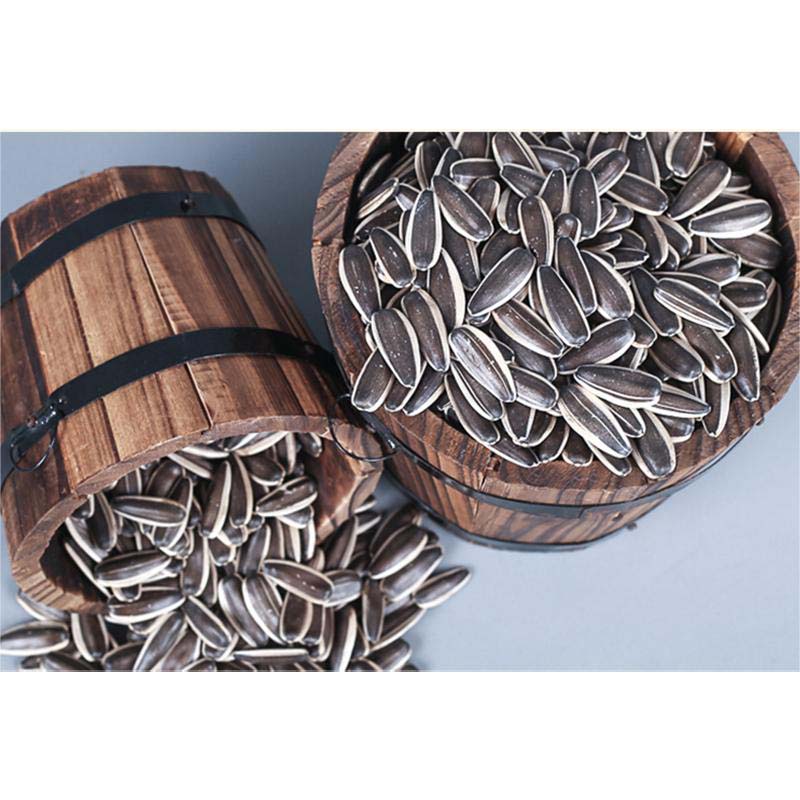
Raw hulled sunflower seeds, also known as sunflower kernels, represent a significant commodity within the global food and industrial sectors. Suppliers of these kernels occupy a critical position within the agricultural supply chain, connecting sunflower farmers to processors and end-use manufacturers. Technically, the process transforms raw sunflower seeds into a usable product by removing the outer hull, revealing the nutritious kernel. This guide provides an in-depth technical overview for procurement managers, quality control engineers, and food scientists involved in sourcing raw hulled sunflower seeds. The core performance characteristics – oil content, protein content, moisture content, and foreign material presence – directly influence downstream processing efficiency and final product quality, making detailed specification adherence paramount. Industry pain points center around consistent kernel size, minimization of hull fragments, and mitigating the risk of aflatoxin contamination. This document details material science, manufacturing processes, quality control parameters, potential failure modes, and relevant industry standards to address these concerns.
Material Science & Manufacturing
Sunflower seeds ( Helianthus annuus) are dicotyledonous seeds comprising approximately 35-50% oil, 20-25% protein, 10-15% carbohydrate, and 5-10% fiber. The kernel’s chemical composition varies based on genetics, growing conditions, and maturity at harvest. The oil primarily consists of linoleic acid (Omega-6) and oleic acid (Omega-9), influencing its oxidative stability and suitability for various applications. Raw materials undergo several stages: harvesting, drying to a 9-12% moisture content (critical for preventing mold growth), dehulling (typically using impact dehullers or rubber roll dehullers), cleaning (using sieves, air separators, and magnetic separators to remove foreign material), and grading based on kernel size and quality. Dehulling efficiency is a key parameter. Parameter control during drying is vital – excessive heat can denature proteins and reduce oil quality. Hull fragments, a common issue, are minimized through optimized dehuller settings and subsequent cleaning processes. The presence of chlorophyll, indicative of incomplete dehulling, negatively impacts oil color and stability. Chemical compatibility considerations include storage conditions; exposure to oxygen, light, and heat accelerates lipid oxidation, leading to rancidity. The outer hull itself is composed primarily of cellulose and lignin, contributing to the fiber content and posing a challenge for complete removal.
Performance & Engineering
Performance assessment of raw hulled sunflower seeds centers on several critical engineering properties. Force analysis during dehulling reveals the fracture strength of the hull, dictating energy requirements and potential kernel damage. Kernel hardness, measured using compression testing, influences milling characteristics and oil extraction efficiency. Environmental resistance, specifically moisture absorption and susceptibility to insect infestation, necessitates controlled storage conditions (low temperature and humidity). Compliance requirements vary by region but typically encompass food safety standards (HACCP, GMP) and contaminant limits (heavy metals, pesticides). Functional implementation dictates specific quality parameters. For confectionery applications, kernel size uniformity and minimal broken kernels are paramount. For oil extraction, high oil content and low free fatty acid levels are critical. Aflatoxin contamination, caused by Aspergillus flavus mold, poses a significant health risk and requires rigorous monitoring throughout the supply chain. Therefore, suppliers must demonstrate robust quality control protocols, including pre-harvest monitoring of fields and post-harvest testing for mycotoxins. The Bulk Density (450-550 kg/m³) is important for storage and transportation logistics. The Angle of Repose (25-35 degrees) influences material flow during processing.
Technical Specifications
| Parameter | Unit | Typical Range | Test Method |
|---|---|---|---|
| Oil Content (Dry Basis) | % | 48-58 | Soxhlet Extraction (AOCS Official Method) |
| Protein Content (Dry Basis) | % | 18-26 | Kjeldahl Method (AOCS Official Method) |
| Moisture Content | % | 8-10 | Oven Drying (AACC Method 925) |
| Free Fatty Acid (FFA) | % (as oleic acid) | <0.5 | Titration (AOCS Official Method) |
| Broken Kernels & Hull Fragments | % | <3 | Visual Inspection |
| Foreign Material (FM) | % | <1 | Visual Inspection & Sieving |
| Aflatoxin B1 | ppb | <20 | ELISA or HPLC (AOAC Official Method) |
Failure Mode & Maintenance
Raw hulled sunflower seeds are susceptible to several failure modes during storage and processing. Lipid oxidation, leading to rancidity, is a primary concern, accelerated by exposure to oxygen, light, and elevated temperatures. This manifests as off-flavors and reduced nutritional value. Moisture absorption promotes mold growth, specifically Aspergillus flavus, resulting in aflatoxin contamination. Physical damage, such as kernel cracking during handling or processing, increases susceptibility to oxidation and microbial attack. Delamination (separation of the kernel from its seed coat remnant) impacts oil extraction efficiency. Insect infestation is another common failure mode, causing significant product loss and contamination. Maintenance protocols involve controlled storage environments (temperature <25°C, humidity <65%), proper stock rotation (FIFO – First In, First Out), regular monitoring for pests and mold growth, and adherence to strict sanitation procedures. Packaging materials should provide a barrier against oxygen and moisture. Suppliers should implement a comprehensive quality management system, including routine testing for aflatoxins, oil quality, and moisture content. Preventive maintenance of dehulling and cleaning equipment is also crucial to minimize kernel damage and foreign material contamination.
Industry FAQ
Q: What is the significance of the FFA (Free Fatty Acid) content in raw hulled sunflower seeds?
A: FFA content is a critical indicator of oil quality and seed deterioration. Higher FFA levels suggest hydrolysis of triglycerides, often due to enzymatic activity during storage or improper handling. Elevated FFA impacts oil refining processes, increasing acid value and potentially affecting the flavor and stability of the final oil product. It also indicates potential seed damage or prolonged storage.
Q: How do suppliers mitigate the risk of aflatoxin contamination?
A: Effective aflatoxin mitigation involves a multi-faceted approach. This includes pre-harvest monitoring of sunflower fields for Aspergillus flavus infection, proper drying of seeds to reduce moisture content (below 9%), rigorous cleaning and sorting to remove damaged or moldy kernels, and routine testing of finished products using ELISA or HPLC methods. Good agricultural practices (GAP) are essential, including insect control and minimizing stress on plants during growth.
Q: What is the acceptable level of hull fragments in a confectionery-grade product?
A: Confectionery-grade sunflower kernels typically require a hull fragment content of less than 1%, ideally below 0.5%. Hull fragments affect the appearance and texture of the product, reducing consumer appeal. They also can impart a bitter taste. Suppliers employ multiple cleaning stages, including air separation and sieving, to minimize hull fragment presence.
Q: How does moisture content impact storage stability?
A: Moisture content is a critical factor influencing storage stability. High moisture levels (above 10%) promote microbial growth (mold, bacteria) and accelerate enzymatic reactions leading to lipid oxidation and FFA formation. Proper drying to 8-10% moisture content and maintaining low humidity storage conditions are essential to prevent spoilage and preserve seed quality.
Q: What analytical methods are used to determine oil content and composition?
A: Oil content is commonly determined using Soxhlet extraction (AOCS Official Method). The fatty acid composition is analyzed using Gas Chromatography (GC) with Flame Ionization Detection (FID), following AOCS or ISO standards. These methods provide accurate data on the levels of linoleic acid, oleic acid, and other fatty acids present in the oil.
Conclusion
The quality and consistency of raw hulled sunflower seeds are paramount for downstream processors. This guide highlighted the critical interplay between material science, manufacturing processes, and performance parameters. Suppliers must prioritize rigorous quality control measures, including moisture control, aflatoxin monitoring, and minimization of physical damage, to ensure a stable and high-quality product. Understanding the nuances of kernel composition, dehulling efficiency, and storage conditions is vital for achieving optimal results.
Future trends will likely focus on enhanced traceability within the supply chain, utilizing technologies like blockchain to verify origin and quality. Further research into optimizing dehulling processes to minimize kernel damage and maximize oil yield is also anticipated. Adherence to evolving food safety regulations and consumer demand for sustainable agricultural practices will further shape the industry landscape. The continued success of raw hulled sunflower seed suppliers relies on a commitment to technical excellence and proactive adaptation to industry advancements.
