Introduction
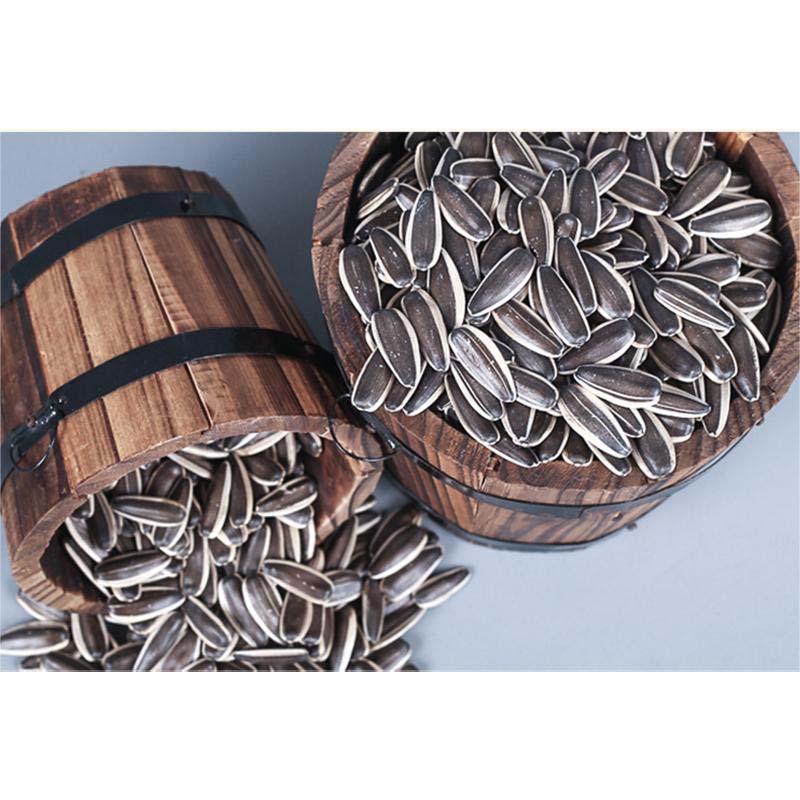
Raw hulled sunflower seeds ( Helianthus annuus) represent a significant component of the global food and animal feed industries. Positioned within the oilseed processing chain, these seeds are the product of dehulling mature sunflower seed kernels. Unlike black oil sunflower seeds typically used for bird feed, hulled seeds are primarily destined for direct human consumption as snacks, ingredients in confectionery, or further processing into sunflower protein and oil. Core performance characteristics are defined by oil content, protein levels, moisture content, kernel size, and freedom from defects. Maintaining optimal quality is critical for preventing rancidity, ensuring palatability, and meeting stringent food safety regulations. The increasing demand for plant-based proteins and healthy fats drives continued growth and necessitates a deeper understanding of their compositional and processing nuances.
Material Science & Manufacturing
Sunflower seeds are primarily composed of lipid (40-55%), protein (18-25%), carbohydrate (15-20%), fiber (6-10%), and moisture (8-12%). The lipid fraction is dominated by linoleic acid (an omega-6 fatty acid) and oleic acid (an omega-9 fatty acid). The protein content includes significant levels of essential amino acids. The seed coat (hull) consists mainly of cellulose, hemicellulose, and lignin. Manufacturing begins with harvesting mature sunflower heads, followed by drying to a moisture content of around 9-10%. Dehulling is a mechanical process involving impact and friction, utilizing rotating drums or abrasive surfaces. Critical parameters include impact force, drum speed, and clearance between rotating elements. Inefficient dehulling results in higher hulling rates, increasing processing costs and reducing product purity. Subsequent cleaning processes remove remaining hulls, foreign materials, and broken kernels, employing screening, aspiration, and gravity separation. Kernel size uniformity is a vital parameter impacting processing efficiency and final product appearance. Optical sorting technology can further refine quality based on color and shape. Post-dehulling, seeds are often color-sorted, graded by size, and subjected to quality control checks. Storage conditions – temperature and humidity control – are paramount to prevent lipid oxidation and maintain quality.
Performance & Engineering
The engineering performance of raw hulled sunflower seeds centers on maintaining kernel integrity during processing and ensuring long-term storage stability. Force analysis during dehulling is crucial; excessive force causes kernel breakage, reducing yield and quality. Seed impact resistance is directly correlated with kernel density and moisture content. Lower moisture content increases brittleness. Environmental resistance involves protecting the seeds from moisture uptake, temperature fluctuations, and oxygen exposure. High moisture content promotes microbial growth and lipid hydrolysis, leading to rancidity. Oxygen accelerates lipid oxidation, causing off-flavors and reducing nutritional value. Packaging materials with low oxygen transmission rates (OTR) and moisture vapor transmission rates (WVTR) are essential. Compliance requirements include adherence to food safety standards such as HACCP (Hazard Analysis and Critical Control Points) and relevant national and international regulations concerning pesticide residues, heavy metal contamination (lead, cadmium), and aflatoxin levels. Functional implementation extends to various food applications, requiring consistent seed size and quality for optimal performance in baking, confectionery, and snack food manufacturing. Furthermore, the seeds’ inherent oil content and protein profile play a role in the stability of emulsions and the texture of finished products.
Technical Specifications
| Parameter | Specification (Typical Range) | Test Method | Industry Relevance |
|---|---|---|---|
| Oil Content (Dry Basis) | 48-58% | Soxhlet Extraction (AOCS Official Method) | Determines processing yield and nutritional value |
| Protein Content (Dry Basis) | 18-25% | Kjeldahl Method (AOCS Official Method) | Impacts nutritional profile and ingredient functionality |
| Moisture Content | 8-12% | Oven Drying Method (AACC Method) | Critical for storage stability and microbial control |
| Kernel Size (Screen Size) | 10/64" - 12/64" (US Mesh) | Sieving Analysis | Affects processing efficiency and product appearance |
| Free Fatty Acid (FFA) | <0.5% (as oleic acid) | Titration (AOCS Official Method) | Indicates freshness and degree of lipid hydrolysis |
| Peroxide Value (PV) | <5 meq O2/kg | Titration (AOCS Official Method) | Measures initial stage of lipid oxidation |
Failure Mode & Maintenance
Failure modes in raw hulled sunflower seeds primarily relate to quality degradation during storage and transportation. Rancidity, caused by lipid oxidation, is a prevalent issue, resulting in off-flavors and reduced nutritional value. This is accelerated by exposure to oxygen, light, and high temperatures. Microbial contamination, particularly mold growth, can occur under conditions of high humidity and temperature, potentially leading to aflatoxin production. Physical damage, such as kernel breakage during dehulling or handling, increases surface area exposed to oxygen and accelerates degradation. Insect infestation is another potential failure mode, particularly during long-term storage. Maintenance protocols involve strict temperature and humidity control during storage (typically below 15°C and 65% relative humidity). Packaging should utilize barrier materials with low OTR and WVTR. Regular monitoring of moisture content, FFA, and peroxide value is essential to detect early signs of degradation. Implementing a first-in, first-out (FIFO) inventory management system minimizes storage time. Proper sanitation practices throughout the processing and storage facilities prevent microbial contamination and insect infestation. Application of inert gas packaging (nitrogen flushing) can further reduce oxygen levels and extend shelf life.
Industry FAQ
Q: What is the impact of kernel moisture content on the long-term storage stability of hulled sunflower seeds?
A: Kernel moisture content is a critical factor in storage stability. Higher moisture levels promote microbial growth and enzymatic activity, leading to lipid hydrolysis and rancidity. Ideally, moisture content should be maintained below 10%, and preferably around 8%, to minimize these degradation pathways. Drying processes and appropriate packaging are essential to achieve and maintain this optimal moisture level.
Q: How do different packaging materials compare in terms of preventing lipid oxidation?
A: Packaging materials vary significantly in their barrier properties. Materials with low OTR (oxygen transmission rate) are paramount. Multi-layer films incorporating aluminum foil or metallized films provide the highest oxygen barrier. High-density polyethylene (HDPE) and polypropylene (PP) offer moderate barrier properties, while simple polyethylene (PE) films are relatively permeable to oxygen. Vacuum packaging or modified atmosphere packaging (MAP) with nitrogen flushing further enhances protection.
Q: What are the key differences between high-oleic and linoleic sunflower seeds in terms of shelf life and processing characteristics?
A: High-oleic sunflower seeds contain a significantly higher proportion of oleic acid (a monounsaturated fatty acid) compared to linoleic seeds. Oleic acid is more resistant to oxidation, resulting in a substantially longer shelf life. High-oleic seeds also exhibit improved frying stability and heat resistance, making them preferable for certain food applications. Linoleic seeds are more susceptible to rancidity but can contribute to desirable flavor profiles in some products.
Q: How is aflatoxin contamination monitored and controlled in sunflower seed processing?
A: Aflatoxin contamination is a serious food safety concern. Monitoring involves regular sampling and analysis using ELISA (Enzyme-Linked Immunosorbent Assay) or HPLC (High-Performance Liquid Chromatography) to detect aflatoxin levels. Preventive measures include sourcing seeds from regions with low aflatoxin prevalence, implementing strict quality control during harvesting and drying, and utilizing proper storage practices. If contamination is detected, seeds may be diverted to animal feed or subjected to detoxification processes.
Q: What quality control tests are typically performed on incoming raw sunflower seeds?
A: Incoming raw sunflower seeds are typically assessed for moisture content, foreign material content, kernel damage, oil content, protein content, and aflatoxin levels. Physical inspection for mold, insect infestation, and visual defects is also performed. Seed size and shape are often evaluated to ensure consistency for downstream processing. These tests establish a baseline quality assessment and help identify potential issues before further processing begins.
Conclusion
Raw hulled sunflower seeds represent a versatile and nutritionally valuable ingredient with expanding applications across the food and feed industries. Their quality is inextricably linked to the careful control of material science principles, meticulous manufacturing processes, and stringent adherence to food safety regulations. Understanding the critical parameters governing lipid oxidation, microbial growth, and physical integrity is essential for maximizing shelf life and maintaining product quality.
Continued innovation in dehulling technologies, packaging materials, and storage techniques will be vital to meet the increasing demand for these seeds while minimizing quality losses. Implementing robust quality control systems and investing in analytical capabilities to monitor key parameters are fundamental for ensuring product consistency and regulatory compliance. Furthermore, exploring sustainable sourcing practices and reducing processing waste will contribute to a more responsible and efficient sunflower seed supply chain.
