Introduction
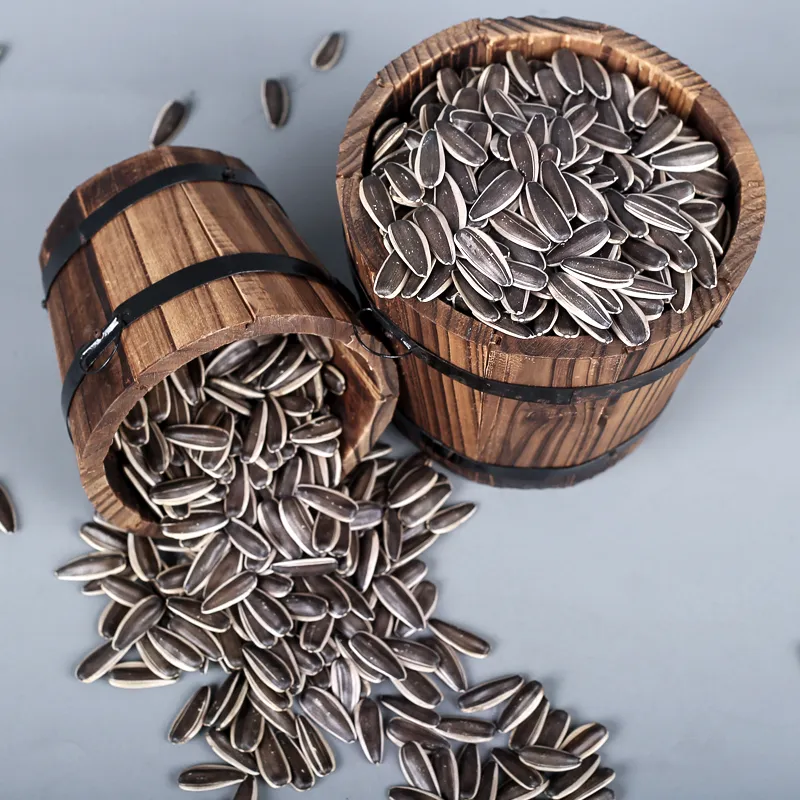
Raw hulled sunflower seeds, also known as sunflower kernels, represent a crucial intermediate product within the broader sunflower seed processing industry. Positioned downstream from primary agricultural production and upstream from consumer-packaged snack foods and oil extraction, their quality directly impacts the viability of subsequent processes. This guide provides a comprehensive technical overview for manufacturers of raw hulled sunflower seeds, addressing key considerations related to seed quality, processing methodologies, quality control, and preservation techniques. The core performance metrics center around kernel soundness, oil content, protein content, moisture content, and the minimization of hull fragments and foreign material. Industry pain points include consistently achieving high de-hulling rates without damaging the kernels, maintaining strict adherence to food safety standards, and managing variability in raw material inputs due to agricultural conditions. This document aims to provide the technical depth necessary for optimizing production processes and ensuring consistent product quality for B2B clients in the food processing sector.
Material Science & Manufacturing
Sunflower seeds (Helianthus annuus) consist of approximately 30-50% oil, 20-25% protein, 15-20% carbohydrate (primarily fiber), and 10-15% moisture. The hull, or pericarp, is composed of cellulose, hemicellulose, and lignin, providing structural integrity. Kernel hardness is influenced by genetic factors and growing conditions. Manufacturing begins with cleaning and grading of raw sunflower seeds to remove foreign matter like stems, leaves, and stones. De-hulling is a critical step, typically performed using impact dehullers or roller dehullers. Impact dehullers use controlled impacts to fracture the hull, while roller dehullers utilize friction between rotating rollers to separate the hull. Parameter control is paramount: roller gap in roller dehullers must be precisely maintained to maximize hull removal without kernel damage. Moisture content significantly impacts de-hulling efficiency; optimal moisture is typically between 8-10%. Following de-hulling, kernels are separated from hulls using air separation and screening techniques. Further cleaning removes residual hull fragments and foreign material. Sorting by size and color improves product uniformity. Finally, seeds are dried to a target moisture content of 6-8% to inhibit microbial growth and maintain stability. Drying methods include fluid bed dryers and convection dryers, with temperature control being vital to avoid protein denaturation and oil oxidation. The chemical composition of the seeds, particularly the fatty acid profile (linoleic, oleic, palmitic acids), is crucial for downstream applications, with variations impacting oil quality and stability. Understanding the physical properties like kernel density and surface texture allows for optimization of sorting and handling equipment.
Performance & Engineering
The primary performance consideration is minimizing kernel damage during processing. Force analysis reveals that impact forces during de-hulling must be carefully controlled to fracture the hull without cracking the kernel. Finite Element Analysis (FEA) can be used to model the stress distribution within the kernel during impact, optimizing dehuller design. Environmental resistance is vital for storage and transportation. Sunflower seeds are susceptible to oxidation, leading to rancidity, particularly at elevated temperatures and in the presence of oxygen. Packaging materials with low oxygen transmission rates (OTR) are essential. Moisture uptake can also induce spoilage, necessitating moisture-barrier packaging. Compliance requirements are stringent, governed by food safety regulations such as those outlined by the FDA (USA) and EFSA (Europe). Specifically, minimizing aflatoxin contamination is a critical concern, requiring robust sourcing protocols and quality control testing. Aflatoxins are secondary metabolites produced by Aspergillus fungi, posing a significant health risk. Functional implementation of quality control systems, including near-infrared (NIR) spectroscopy for rapid oil and moisture content analysis, is paramount. Furthermore, the engineering of air separation systems to efficiently remove hull fragments and foreign matter impacts overall product purity and yield. Kernel soundness – measured by the percentage of intact, undamaged kernels – directly correlates with downstream processing efficiency and final product quality.
Technical Specifications
| Parameter | Unit | Typical Value | Acceptable Range |
|---|---|---|---|
| Moisture Content | % | 7.0 | 6.0 - 8.5 |
| Oil Content (Dry Basis) | % | 50.0 | 48.0 - 54.0 |
| Protein Content (Dry Basis) | % | 23.0 | 21.0 - 25.0 |
| Kernel Soundness | % | 95.0 | 92.0 - 98.0 |
| Hull Fragment Content | % | 0.5 | 0.0 - 1.0 |
| Foreign Material Content | % | 0.1 | 0.0 - 0.2 |
Failure Mode & Maintenance
Common failure modes include kernel cracking during de-hulling (leading to yield loss and increased fines), lipid oxidation resulting in rancidity (affecting flavor and shelf life), and microbial contamination (compromising food safety). Fatigue cracking can occur in processing equipment, particularly dehuller rollers and impact plates, due to repetitive stress. Delamination of the kernel’s cotyledons can happen from impact or improper drying. Oxidation is accelerated by exposure to oxygen, light, and elevated temperatures. Preventing these failures requires regular equipment maintenance, including inspection and replacement of worn components. Implementing antioxidant packaging solutions (e.g., vacuum packaging or modified atmosphere packaging with nitrogen flushing) can mitigate oxidation. Maintaining optimal drying parameters (temperature and airflow) is crucial to prevent protein denaturation and lipid oxidation. Regular sanitation procedures are essential to control microbial growth. Preventative maintenance schedules should include lubrication of bearings, alignment checks of rollers, and calibration of sensors. A comprehensive failure analysis program, including root cause identification, should be implemented to address recurring issues and improve process reliability. Proper storage conditions – cool, dry, and dark – are vital to minimize degradation during storage.
Industry FAQ
Q: What are the primary factors influencing oil content variability in sunflower kernels?
A: Oil content is significantly influenced by genetics (cultivar selection), growing conditions (temperature, rainfall, sunlight), and maturity at harvest. Soil composition and fertilization practices also play a role. Variability necessitates rigorous testing of incoming raw materials and potential blending strategies to achieve consistent oil content in the final product.
Q: How can we minimize the formation of fines (small kernel fragments) during de-hulling?
A: Optimizing dehuller settings, particularly roller gap or impact force, is critical. Controlling seed moisture content to the optimal range (8-10%) enhances de-hulling efficiency and reduces kernel damage. Regular inspection and maintenance of dehulling equipment are also essential to prevent excessive wear and tear.
Q: What are the acceptable limits for aflatoxin contamination, and how can we ensure compliance?
A: Acceptable limits vary by region, but typically range from 2-5 parts per billion (ppb). Ensuring compliance requires sourcing seeds from reputable suppliers with robust quality control systems, implementing pre-cleaning procedures to remove contaminated seeds, and conducting regular aflatoxin testing using methods like ELISA or HPLC.
Q: What type of packaging is recommended to maximize shelf life and prevent rancidity?
A: Packaging with low OTR and moisture vapor transmission rates (MVTR) is crucial. Options include multi-layer films with aluminum foil or metallized polyester, vacuum packaging, or modified atmosphere packaging (MAP) with nitrogen flushing. Proper sealing is also essential to maintain the integrity of the package.
Q: What role does Near-Infrared (NIR) spectroscopy play in quality control?
A: NIR spectroscopy provides a rapid, non-destructive method for analyzing oil content, moisture content, and protein content. This allows for real-time monitoring of product quality throughout the processing chain, enabling prompt adjustments to maintain specifications and minimize waste.
Conclusion
The production of high-quality raw hulled sunflower seeds demands a comprehensive understanding of seed physiology, processing mechanics, and quality control principles. Successfully navigating the inherent complexities of this process necessitates precise parameter control during de-hulling and drying, rigorous adherence to food safety regulations, and implementation of robust monitoring and maintenance programs. Optimizing these factors not only enhances product yield and purity but also ensures the delivery of a consistent, high-value ingredient to downstream food processors.
Future trends in the industry will likely focus on advanced sorting technologies utilizing machine vision and artificial intelligence to further improve kernel soundness and remove foreign material. Sustainable sourcing practices and minimizing waste will also gain increased importance. Continuously investing in research and development to optimize de-hulling techniques and improve preservation methods is essential to remain competitive in the evolving sunflower seed market.
