Introduction
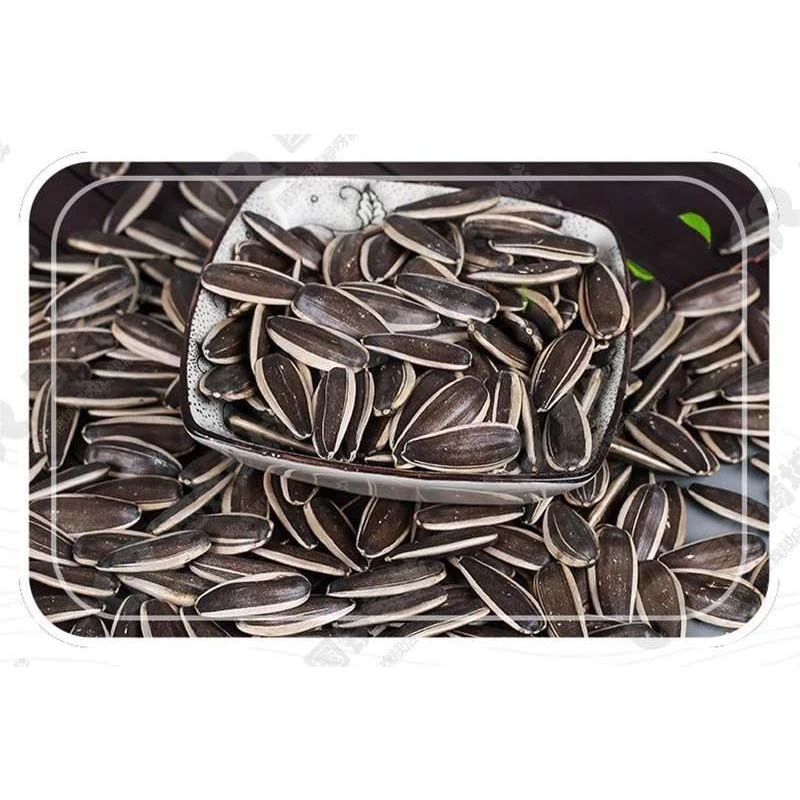
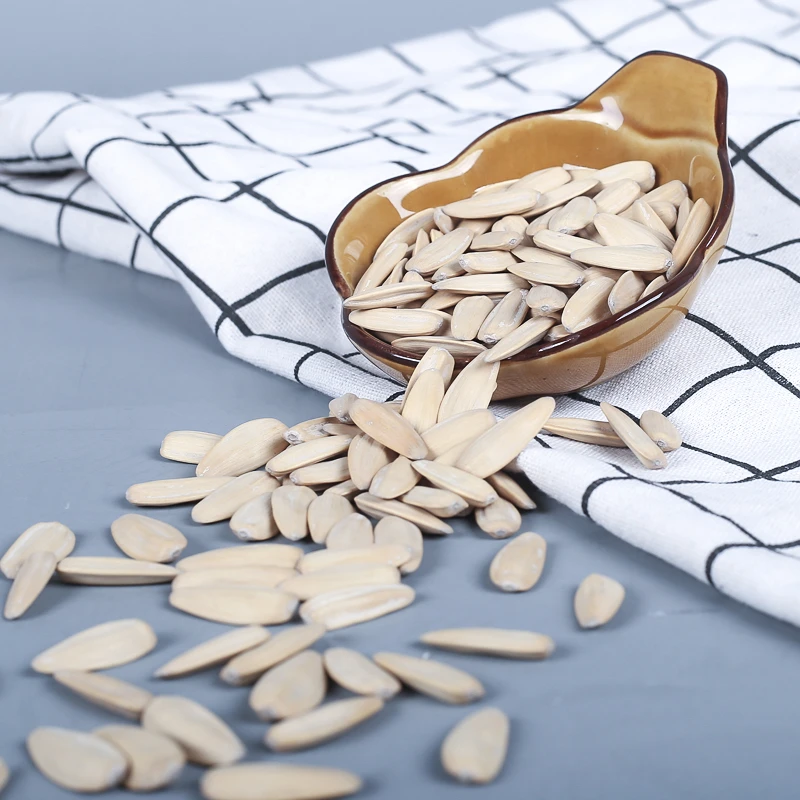
Raw hulled sunflower seeds, also known as sunflower kernels, represent a significant commodity within the food processing and agricultural sectors. A raw hulled sunflower seeds factory is a specialized facility dedicated to the processing of sunflower seeds, specifically focusing on the mechanical removal of the outer hull to yield the edible kernel. This process is integral to the supply chain serving snack food manufacturers, confectioners, and the health food industry. The technical position of these factories lies at the intersection of agricultural processing, mechanical engineering, and food safety standards. Core performance characteristics center around kernel yield (percentage of kernel recovered from the seed), kernel integrity (minimizing damage during dehulling), and maintaining low levels of foreign material. The primary challenges faced by operators include optimizing dehulling efficiency while minimizing kernel breakage, ensuring consistent product quality, and adhering to stringent hygiene regulations. This guide provides a detailed technical overview of the processes, materials, and engineering principles governing the successful operation of a raw hulled sunflower seeds factory.
Material Science & Manufacturing
The primary raw material, Helianthus annuus (sunflower seed), exhibits variable physical and chemical properties dependent on cultivar, growing conditions, and maturity. The seed itself comprises a hull (approximately 28-50% by weight), kernel (50-72%), and embryo. The hull is composed primarily of cellulose, hemicellulose, and lignin, imparting rigidity and resistance to mechanical stress. The kernel contains approximately 20-50% oil, 20-25% protein, and significant quantities of vitamins and minerals. Manufacturing begins with seed cleaning, removing extraneous materials like stems, leaves, and dirt. This employs a combination of screens, aspirators, and gravity separators. Dehulling is the core process, typically utilizing impact dehullers or roller dehullers. Impact dehullers rely on high-speed rotation to fracture the hull, while roller dehullers use compression between counter-rotating rollers. Key parameters controlling dehulling efficiency include roller gap (for roller dehullers), impact velocity (for impact dehullers), feed rate, and moisture content of the seed (optimal range 8-12%). Post-dehulling, the mixture of kernels and hulls is separated using screens and air classifiers. Kernel quality is further improved through sorting, typically employing optical sorters that detect discoloration or foreign materials. Material selection for processing equipment prioritizes stainless steel (AISI 304 or 316) for corrosion resistance and hygienic properties. Bearing materials must withstand high loads and abrasive conditions; hardened steel alloys are common. Conveyor belts are typically constructed from food-grade polyurethane or polyethylene.
Performance & Engineering
The performance of a raw hulled sunflower seeds factory is critically dependent on force analysis during dehulling. Understanding the tensile and compressive strength of the hull and kernel is crucial for optimizing equipment parameters. Hull fracture is initiated when the applied stress exceeds the hull's tensile strength. Excessive force, however, leads to kernel damage, reducing yield and quality. Environmental resistance is also a key consideration. Temperature and humidity control are essential to prevent mold growth and rancidity of the oil within the kernels. Humidity should be maintained below 65% to inhibit microbial activity. Dust control is paramount, as sunflower hull dust is combustible and poses an explosion hazard. Dust extraction systems utilizing cyclones and bag filters are mandatory. Compliance requirements include adherence to food safety regulations such as HACCP (Hazard Analysis and Critical Control Points) and GMP (Good Manufacturing Practices). These standards mandate stringent hygiene protocols, regular equipment sanitation, and comprehensive quality control procedures. Electrical systems must comply with IEC standards to ensure safety and prevent electrical hazards. Functional implementation involves integrating automated control systems for monitoring and adjusting process parameters in real-time, maximizing efficiency and minimizing downtime. Load cells and sensors provide feedback for adjusting roller gaps, feed rates, and air flow rates to maintain optimal performance.
Technical Specifications
| Parameter | Unit | Typical Range | Acceptable Deviation |
|---|---|---|---|
| Kernel Yield | % | 95-98 | ±2% |
| Kernel Damage (Broken/Split) | % | <5 | ±1% |
| Foreign Material | % | <0.1 | ±0.05% |
| Moisture Content (Kernel) | % | 8-12 | ±1% |
| Hull Content (Post-Dehulling) | % | <2 | ±0.5% |
| Oil Content (Kernel) | % | 40-50 | ±3% |
Failure Mode & Maintenance
Failure modes in a raw hulled sunflower seeds factory are diverse. Fatigue cracking in roller dehuller rollers is common due to cyclical loading. This is mitigated by using high-strength alloy steel and implementing regular non-destructive testing (NDT) methods like ultrasonic testing. Delamination of conveyor belt materials can occur due to abrasion and exposure to environmental factors. Regular inspection and replacement of worn belts are crucial. Degradation of rubber seals in bearings leads to lubricant leakage and bearing failure. Scheduled lubrication and seal replacement are essential maintenance procedures. Oxidation of metal components, particularly in humid environments, causes corrosion. Applying protective coatings and implementing corrosion inhibitors can prevent this. Kernel breakage often results from improper equipment calibration or variations in seed quality. Maintaining consistent process parameters and utilizing optical sorting to remove damaged seeds can minimize this. Preventative maintenance schedules should include daily inspection of belts and rollers, weekly lubrication of bearings, monthly cleaning of dust extraction systems, and annual NDT of critical components. Root Cause Analysis (RCA) should be performed on any recurring failures to identify and address underlying issues.
Industry FAQ
Q: What is the optimal moisture content range for sunflower seeds entering the dehulling process, and how is this measured accurately?
A: The optimal moisture content for sunflower seeds entering the dehulling process is generally between 8-12%. Below 8%, the seeds become brittle and prone to excessive breakage. Above 12%, dehulling efficiency decreases due to increased hull adhesion. Accurate measurement is achieved using a calibrated moisture analyzer, typically employing near-infrared (NIR) technology. Regular calibration against a standardized reference sample is vital for ensuring accuracy.
Q: What are the primary concerns regarding dust explosion hazards in sunflower seed processing plants, and what mitigation strategies are employed?
A: Sunflower hull dust is highly combustible, creating a significant explosion hazard. The primary concerns are the accumulation of dust clouds in enclosed spaces and the presence of ignition sources (e.g., static electricity, hot surfaces). Mitigation strategies include implementing comprehensive dust extraction systems with cyclones and bag filters, grounding all equipment to prevent static buildup, regular cleaning to remove accumulated dust, and using intrinsically safe electrical equipment in dust-prone areas.
Q: How do optical sorters contribute to improving the quality of hulled sunflower seeds, and what types of defects can they detect?
A: Optical sorters utilize high-resolution cameras and image processing algorithms to identify and remove defects based on color, shape, and size. They significantly improve the quality of hulled sunflower seeds by removing discolored kernels, partially hulled seeds, foreign materials (e.g., stones, wood), and damaged kernels. They can detect subtle variations undetectable by manual inspection, ensuring a consistent and high-quality product.
Q: What are the key considerations when selecting materials for components in contact with sunflower seeds to ensure food safety and prevent contamination?
A: Materials in contact with sunflower seeds must be food-grade and non-reactive. Stainless steel (AISI 304 or 316) is the preferred material due to its corrosion resistance, hygienic properties, and ease of cleaning. Conveyor belts should be made from food-grade polyurethane or polyethylene. All materials must be free of phthalates, BPA, and other potentially harmful substances. Regular cleaning and sanitation protocols are also essential.
Q: What preventative maintenance schedule is recommended for roller dehullers to maximize their lifespan and minimize downtime?
A: A recommended preventative maintenance schedule for roller dehullers includes daily visual inspection for wear and tear, weekly lubrication of bearings, monthly tightening of bolts and fasteners, quarterly alignment check of rollers, and annual non-destructive testing (NDT) of rollers for cracks or fatigue. Rollers should be replaced based on wear and tear observed during inspections and NDT results. Regular maintenance significantly extends the lifespan and minimizes costly downtime.
Conclusion
The efficient and reliable operation of a raw hulled sunflower seeds factory hinges on a comprehensive understanding of the material science of sunflower seeds, the engineering principles governing dehulling processes, and adherence to stringent quality and safety standards. Optimizing dehulling parameters – moisture content, roller gap, impact velocity – is crucial for maximizing kernel yield while minimizing damage. Proactive preventative maintenance, encompassing regular inspection, lubrication, and component replacement, is vital for preventing costly downtime and ensuring long-term operational reliability.
Future advancements in this field are likely to focus on integrating artificial intelligence (AI) and machine learning (ML) to optimize process control in real-time, predict equipment failures, and improve overall efficiency. Further research into novel dehulling technologies that minimize kernel breakage and reduce energy consumption will also be critical. By embracing these advancements and maintaining a commitment to continuous improvement, raw hulled sunflower seeds factories can meet the growing demand for high-quality sunflower kernels in a sustainable and cost-effective manner.
