Introduction
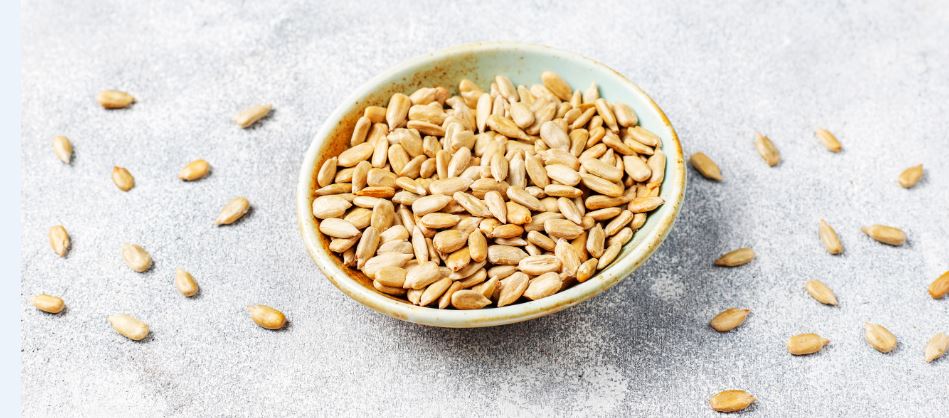
Raw hulled sunflower seeds represent a significant commodity within the food processing industry, positioned as an intermediate product between agricultural cultivation and consumer-facing applications like snack foods, confectionery, and animal feed. Factories dedicated to the processing of these seeds are integral to the supply chain, responsible for the mechanical dehulling, cleaning, grading, and often, pre-treatment processes required to deliver a high-quality, commercially viable product. The core performance characteristics revolve around kernel integrity, hulling efficiency, foreign material reduction, and maintaining the nutritional value – specifically, oil content and protein levels – of the seed. Challenges faced by these factories include optimizing throughput while minimizing damage, adhering to strict food safety regulations, and managing byproduct streams effectively. This guide provides a comprehensive technical overview of the processes, materials, and considerations relevant to the successful operation and optimization of raw hulled sunflower seed factories.
Material Science & Manufacturing
Sunflower seeds (Helianthus annuus) consist of a kernel, a hull (or husk), and an embryo. The kernel comprises approximately 40-50% oil, 20-30% protein, and 15-20% carbohydrates, with trace vitamins and minerals. The hull is primarily composed of cellulose, hemicellulose, and lignin – materials providing structural rigidity but lacking significant nutritional value. Manufacturing begins with seed intake, followed by cleaning to remove stems, leaves, dirt, and other foreign materials. This is often accomplished using a combination of screens, aspirators, and destoners. The critical step is dehulling, traditionally performed using impact dehullers, roller dehullers, or a combination of both. Impact dehullers utilize a rotating impeller to collide seeds against a stationary surface, fracturing the hull. Roller dehullers employ counter-rotating rollers with adjustable gaps to crack and separate the hull. Parameters such as roller pressure, impact velocity, and seed moisture content (optimally 8-12%) are crucial for maximizing hulling efficiency and minimizing kernel damage. Subsequent to dehulling, further cleaning stages are employed to separate kernels from remaining hull fragments. Optical sorting, utilizing color and shape detection, is increasingly common for achieving high purity levels. Material selection in equipment construction focuses on food-grade stainless steel (304 or 316) for corrosion resistance and ease of sanitation. Carbon steel is used for structural components, often with protective coatings. Bearing materials include specialized polymers or hardened steel to withstand continuous operation and seed abrasion.
Performance & Engineering
The performance of a sunflower seed dehulling factory hinges on several key engineering principles. Force analysis during the dehulling process is critical; excessive force results in kernel breakage and oil release, reducing quality. Optimized roller gap settings and impact velocities minimize these forces while effectively separating the hull. Environmental resistance is primarily concerned with maintaining consistent humidity and temperature to prevent seed degradation and bacterial growth. Factory design incorporates ventilation systems and climate control. Compliance requirements are stringent, governed by food safety standards (see section 7). HACCP (Hazard Analysis and Critical Control Points) principles are applied throughout the process, with critical control points identified at cleaning, dehulling, and sorting stages. Dust control is paramount, as sunflower dust is combustible. Engineering solutions include dust collection systems and explosion-proof electrical components. Grading systems, incorporating screen sizes and optical sorting, ensure consistent kernel size and quality. Throughput capacity is directly related to the size and speed of the processing equipment, as well as the efficiency of material handling systems – typically conveying belts and pneumatic transport. Regular monitoring of seed moisture content and oil content is essential for process control and quality assurance. Furthermore, energy efficiency, specifically minimizing power consumption of dehulling machinery and ventilation systems, is an increasingly important engineering objective.
Technical Specifications
| Parameter | Unit | Typical Range | Acceptable Tolerance |
|---|---|---|---|
| Kernel Moisture Content | % | 8-12 | ±0.5% |
| Kernel Oil Content | % | 48-58 | ±2% |
| Hulling Efficiency | % | 95-98 | ≥92% |
| Foreign Material Content | % | <0.1 | <0.2% |
| Kernel Damage (Broken/Splits) | % | <5 | <8% |
| Hull Content in Final Product | % | <0.5 | <1% |
Failure Mode & Maintenance
Failure modes in raw hulled sunflower seed factories are diverse. Roller dehullers are susceptible to bearing failure due to abrasive wear from seed particles. Impact dehullers experience impeller wear and damage from foreign objects. Screens can become clogged or torn, reducing separation efficiency. Conveying systems can experience belt slippage or component breakage. Kernel damage, manifesting as cracking or splitting, is a frequent failure mode resulting from excessive dehulling force or improper moisture content. Oxidation of the sunflower oil within the kernels, leading to rancidity, is a concern, particularly during prolonged storage. Dust accumulation poses a fire hazard. Maintenance strategies include regular bearing lubrication and replacement, impeller inspection and repair, screen replacement, belt tensioning and alignment, and comprehensive dust control measures. Preventative maintenance schedules, based on operating hours and seed throughput, are crucial. Periodic vibration analysis can detect early signs of bearing failure. Regular cleaning and sanitation prevent bacterial contamination and product degradation. Monitoring seed moisture content and oil quality allows for proactive adjustments to the process. Non-destructive testing methods, such as visual inspection and ultrasonic testing, can assess the integrity of critical components. Furthermore, investing in high-quality, durable equipment minimizes downtime and repair costs in the long term.
Industry FAQ
Q: What are the primary causes of kernel breakage during dehulling, and how can these be mitigated?
A: Kernel breakage is primarily caused by excessive force applied during dehulling, often due to improper roller gap settings, high impact velocities, or incorrect seed moisture content. Mitigation strategies include precise calibration of dehulling equipment, optimizing seed moisture content to 8-12%, and employing gradual dehulling stages to reduce stress on the kernels.
Q: How does seed moisture content affect the efficiency of the dehulling process?
A: Seed moisture content significantly impacts dehulling efficiency. Too low moisture content results in brittle seeds that shatter easily, increasing kernel damage. Too high moisture content makes the hulls pliable and difficult to separate cleanly. Optimal moisture content, around 8-12%, provides a balance between hull brittleness and kernel integrity.
Q: What measures can be taken to prevent oxidation and rancidity of sunflower oil during storage?
A: Preventing oxidation requires minimizing exposure to oxygen, light, and heat. Storage facilities should be cool, dark, and well-ventilated. Using nitrogen flushing to displace oxygen in storage containers is effective. Adding antioxidants, such as vitamin E, can further inhibit oxidation.
Q: What are the key considerations for dust control in a sunflower seed processing facility?
A: Sunflower dust is combustible and poses a fire hazard. Effective dust control involves a combination of strategies: enclosed processing equipment, dust collection systems (cyclones, bag filters), regular cleaning to prevent dust accumulation, and the use of explosion-proof electrical components in areas with high dust concentrations.
Q: How important is optical sorting in achieving high product purity, and what parameters are typically used for sorting?
A: Optical sorting is crucial for achieving high product purity by removing discolored kernels, foreign materials, and remaining hull fragments. Sorting parameters typically include color, size, shape, and density. Advanced optical sorters can also detect defects based on surface texture and infrared signature.
Conclusion
The efficient and reliable operation of raw hulled sunflower seed factories necessitates a deep understanding of both the material science of the seed itself and the engineering principles governing the processing equipment. Maintaining optimal moisture content, precise equipment calibration, and rigorous adherence to food safety standards are paramount for maximizing yield, minimizing damage, and delivering a high-quality product. Continuous monitoring of key performance indicators and implementation of preventative maintenance programs are essential for long-term operational success.
Looking ahead, advancements in optical sorting technology, coupled with increasingly sophisticated automation and data analytics, will further optimize the efficiency and quality control of sunflower seed processing. Sustainable practices, including byproduct utilization (e.g., hull-derived biofuels) and energy-efficient equipment design, will become increasingly important as the industry responds to evolving environmental and economic pressures. The integration of real-time monitoring and predictive maintenance systems will enable proactive identification of potential failures, minimizing downtime and maximizing throughput.
