Introduction
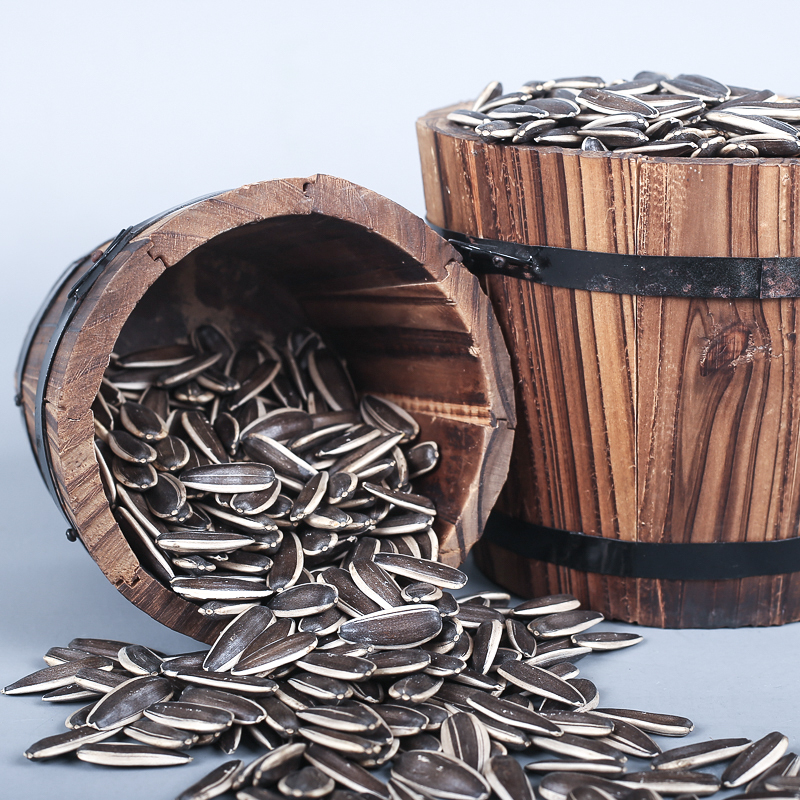
Raw hulled sunflower seeds, also known as sunflower kernels, represent a significant commodity in the global food industry, primarily utilized for direct consumption, confectionery applications, and as a crucial ingredient in various food processing sectors. The export market is characterized by stringent quality requirements, logistical complexities related to maintaining freshness and preventing rancidity, and a competitive landscape demanding optimized processing techniques. This technical guide provides a comprehensive overview of the material science, manufacturing processes, performance characteristics, potential failure modes, and relevant industry standards pertinent to raw hulled sunflower seed exporters. A key industry pain point revolves around consistently achieving and demonstrating low moisture content, minimizing free fatty acid levels, and ensuring adherence to international phytosanitary regulations. The efficient operation and profitability of exporters hinges on understanding these technical nuances and implementing robust quality control measures throughout the supply chain, from harvesting to final packaging and shipment. This guide aims to provide the necessary technical depth for informed decision-making and enhanced operational efficiency.
Material Science & Manufacturing
Sunflower seeds ( Helianthus annuus ) are composed of approximately 30-50% oil, 20-30% protein, 15-25% carbohydrate (primarily cellulose in the hull and starch in the kernel), and 5-10% moisture. The kernel consists of the cotyledons, which are rich in lipids, proteins, and vitamins, and the embryo. The quality of the seeds is significantly influenced by genetics, growing conditions (temperature, sunlight, soil composition), and harvesting practices. Manufacturing begins with dehulling, a mechanical process employing impact or friction to remove the outer hull. Following dehulling, the kernels undergo cleaning, sorting (based on size and density), and drying to achieve a moisture content typically below 8%, crucial for preventing mold growth and rancidity. Drying is typically achieved via fluid bed dryers or continuous flow dryers, with temperature control being paramount (typically below 60°C to preserve oil quality). Post-drying, kernels are often subjected to color sorting using optical sensors and may undergo surface treatment with food-grade coatings to enhance shelf life or improve appearance. Critical parameters include maintaining a consistent seed moisture content during processing, minimizing mechanical damage to the kernels, and ensuring effective separation of foreign materials. Oil quality is directly impacted by temperature during drying – excessive heat promotes lipid oxidation. Chemical compatibility is a concern when utilizing cleaning agents or coatings; these must be food-grade and not introduce harmful residues.
Performance & Engineering
The performance of raw hulled sunflower seeds is primarily assessed by evaluating their oil content, moisture content, free fatty acid (FFA) level, peroxide value (PV), and overall sensory attributes (taste, color, odor). From an engineering perspective, the design of processing equipment – particularly dehullers and dryers – must minimize kernel breakage and maintain optimal air flow for uniform drying. Force analysis is crucial in designing dehulling systems to balance cracking efficiency with kernel damage. Environmental resistance concerns center around maintaining product quality during storage and transportation. Exposure to oxygen, light, and elevated temperatures accelerates lipid oxidation, leading to rancidity. Packaging materials with low oxygen transmission rates (OTR) and adequate moisture barriers are essential. Compliance requirements are extensive, encompassing national and international food safety regulations (e.g., FDA in the US, EFSA in Europe) and phytosanitary standards to prevent the spread of plant diseases. Specifically, exporters must comply with regulations regarding pesticide residues, mycotoxin levels (aflatoxins being a primary concern), and allowable moisture content. The functional implementation of quality control systems, including regular laboratory testing and adherence to Hazard Analysis and Critical Control Points (HACCP) principles, is paramount for consistent product quality and market access.
Technical Specifications
| Parameter | Unit | Typical Value | Acceptable Range (Export Grade A) |
|---|---|---|---|
| Moisture Content | % | 6-8% | ≤ 8.5% |
| Oil Content (on dry basis) | % | 48-58% | ≥ 50% |
| Free Fatty Acid (FFA) | % as oleic acid | 0.5-1.0% | ≤ 0.8% |
| Peroxide Value (PV) | meq O2/kg | 2-5 | ≤ 4 |
| Kernel Size (Diameter) | mm | 10-16 | Average 12-14mm, deviation ≤ 2mm |
| Broken Kernels/Foreign Matter | % | 1-3% | ≤ 2% |
Failure Mode & Maintenance
Sunflower kernels are susceptible to several failure modes. Rancidity, driven by lipid oxidation, is a major concern, manifesting as off-flavors and reduced nutritional value. This is accelerated by exposure to oxygen, light, and high temperatures. Mechanical damage during dehulling and processing leads to broken kernels, increasing surface area for oxidation and providing entry points for microbial contamination. Mold growth, particularly Aspergillus species, can produce aflatoxins, posing a serious health risk and rendering the product unmarketable. Delamination, where the kernel separates into layers, can occur due to improper drying or excessive handling. Maintenance strategies focus on regular cleaning and inspection of processing equipment to prevent mechanical damage and contamination. Storage facilities must be kept cool, dry, and well-ventilated to minimize mold growth and rancidity. Implementing a robust first-in, first-out (FIFO) inventory system is crucial. Regular laboratory testing for moisture content, FFA, PV, and aflatoxin levels is essential for proactive quality control. Packaging should employ materials with low OTR and moisture vapor transmission rate (MVTR) and utilize nitrogen flushing to displace oxygen. Preventative maintenance schedules for dryers and dehullers, including bearing lubrication and belt tension adjustments, are crucial for consistent performance and minimized kernel damage.
Industry FAQ
Q: What is the acceptable level of aflatoxin contamination for export to the European Union?
A: The European Union has stringent regulations regarding aflatoxin levels. For raw sunflower seeds, the maximum permissible level of total aflatoxins (B1, B2, G1, G2) is typically 2 µg/kg (parts per billion). Exporters must provide certificates of analysis demonstrating compliance with this standard. Regular testing is critical, as exceeding these limits results in rejection of the shipment.
Q: How does the drying process impact the oil stability of sunflower kernels?
A: High drying temperatures (above 60°C) accelerate lipid oxidation, leading to increased FFA and PV levels, and ultimately, rancidity. Controlled drying is crucial, utilizing lower temperatures and ensuring uniform airflow throughout the drying bed. Monitoring seed temperature during drying is essential to prevent overheating. Vacuum drying is a more sophisticated method offering reduced oxidation but involves higher capital expenditure.
Q: What packaging materials are recommended for long-term storage and export of raw hulled sunflower seeds?
A: Multi-layer packaging incorporating aluminum foil or metallized polyester films is recommended to provide a barrier against oxygen, light, and moisture. Polyethylene liners provide additional moisture protection. Vacuum packaging or nitrogen flushing prior to sealing can further enhance shelf life by displacing oxygen. Bags should be robust enough to withstand handling during transport.
Q: What is the significance of kernel size and uniformity in the export market?
A: Kernel size and uniformity affect processing efficiency in downstream applications (e.g., confectionery production). Larger, uniformly sized kernels are generally preferred by buyers, as they are easier to handle and provide a more consistent product. Size grading during processing is a common practice to meet customer specifications.
Q: How can exporters mitigate the risk of insect infestation during storage and shipment?
A: Maintaining low moisture content (below 8%) is the primary defense against insect infestation. Thorough cleaning of storage facilities and processing equipment is essential to remove residual seeds or debris that could attract pests. Controlled atmosphere storage (reducing oxygen levels) can be employed for long-term storage. Insecticides are generally avoided due to regulatory restrictions and consumer preferences, however, if used, they must be approved for food use and applied according to label instructions.
Conclusion
The successful export of raw hulled sunflower seeds requires a comprehensive understanding of the underlying material science, meticulous control of manufacturing processes, and strict adherence to international quality and safety standards. Maintaining low moisture content, minimizing lipid oxidation, and preventing aflatoxin contamination are paramount challenges for exporters. Implementing robust quality control systems, employing appropriate packaging materials, and optimizing storage and transportation conditions are crucial for preserving product quality and maximizing market value.
Looking forward, advancements in optical sorting technology, modified atmosphere packaging, and predictive modeling for drying processes offer opportunities to further enhance the efficiency and sustainability of sunflower seed export operations. Continued investment in research and development, coupled with a commitment to best practices in food safety and quality management, will be essential for maintaining competitiveness in this dynamic global market.
