Introduction
Sunflower seed processing facilities represent a critical node in the global agricultural supply chain, bridging the gap between agricultural production and consumer food products. This technical guide focuses on the engineering and operational considerations impacting the “price for sunflower seeds factory,” encompassing raw material characteristics, processing technologies, quality control parameters, and associated costs. The industry faces consistent pressure to optimize efficiency, minimize waste, and maintain seed quality while responding to fluctuating commodity markets. This document details the intricate factors contributing to factory operational costs and seed pricing, covering agronomic input, harvesting techniques, seed preparation, oil extraction (where applicable), hulling/de-hulling processes, and final product grading. Understanding these elements is crucial for both producers and purchasers to accurately assess value and negotiate effective pricing structures. Seed quality, defined by oil content, protein content, moisture level, and freedom from foreign material, is paramount, directly impacting processing yields and final product marketability. The price for sunflower seeds is ultimately determined by a complex interplay of these factors, necessitating a detailed technical understanding.
Material Science & Manufacturing
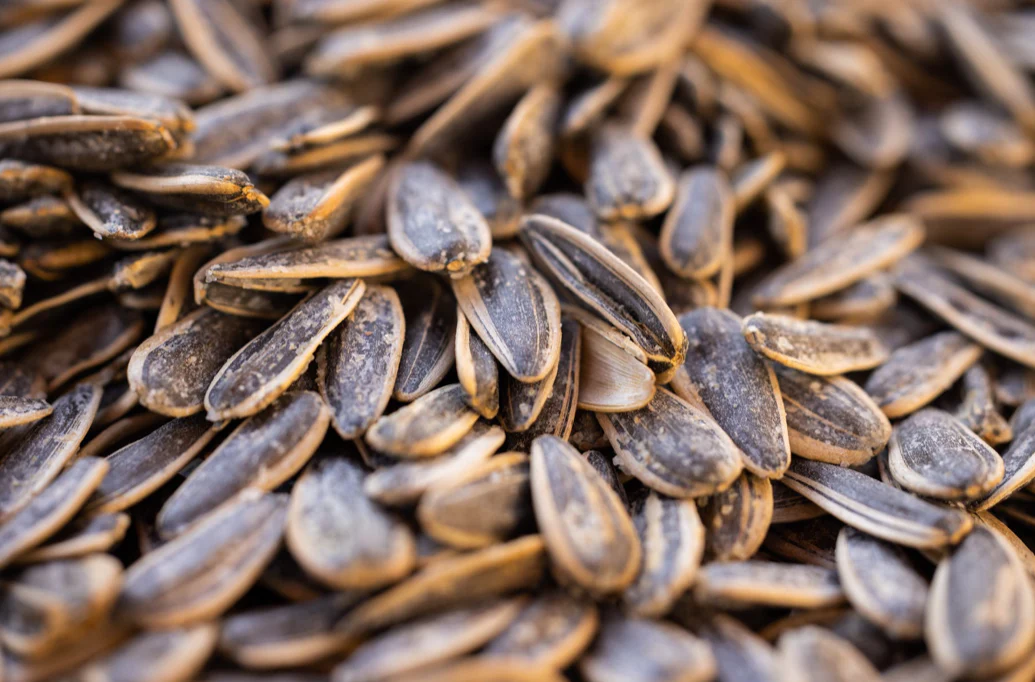
Sunflower seeds ( Helianthus annuus ) are composed primarily of oil (42-58%), protein (18-26%), fiber (28-34%), and moisture (typically 9-12%). The hull, or pericarp, comprises approximately 20-30% of the seed weight and consists largely of cellulose, hemicellulose, and lignin. Oil content is dictated by genetics, growing conditions (temperature, sunlight, water availability), and seed maturity. Processing begins with cleaning and grading to remove foreign matter (stalks, leaves, weed seeds, stones). This typically employs a series of screens, air separators, and magnetic separators. De-hulling, a critical step, involves removing the outer hull. Methods include mechanical abrasion (impact dehullers) and cracking. Impact dehullers utilize a rotating impeller to strike the seeds, separating the hull. Cracking relies on controlled force to fracture the hull without damaging the kernel. Parameters such as impeller speed, gap settings, and seed feed rate are critical for maximizing hull removal efficiency while minimizing kernel damage. Hulling efficiency is measured by the percentage of kernels successfully de-hulled. The resulting kernels may undergo further processing, including size grading, density separation (using air tables or gravity separators), and color sorting. Oil extraction, when performed at the factory, commonly employs mechanical pressing (screw pressing) or solvent extraction (using hexane). Screw pressing generates a crude oil that requires refining. Solvent extraction yields a higher oil recovery rate but necessitates stringent solvent removal procedures to meet food safety regulations. Material selection for processing equipment is crucial; stainless steel (304/316) is favored for its corrosion resistance and hygienic properties. Wear resistance is vital in components subjected to abrasion, requiring hardened steel alloys or ceramic coatings.
Performance & Engineering
The performance of a sunflower seed factory is assessed through several key metrics: throughput (tons/hour), oil yield (%), hulling efficiency (%), kernel damage rate (%), and energy consumption (kWh/ton). Throughput is limited by the capacity of individual processing units (cleaners, de-hullers, graders). Bottlenecks must be identified and addressed through capacity upgrades or process optimization. Hulling efficiency directly impacts the quality of the final product; incomplete hull removal reduces market value. Kernel damage (cracked, broken, or chipped kernels) reduces yield and can introduce contaminants. Engineering considerations include minimizing friction in material transfer systems to reduce seed breakage, ensuring proper ventilation to prevent dust accumulation and potential fire hazards, and implementing robust control systems to maintain consistent process parameters. Environmental resistance, particularly related to dust control, is crucial for maintaining air quality and preventing equipment malfunctions. Compliance with food safety standards (e.g., HACCP, GMP) is paramount, necessitating careful equipment sanitation and preventative maintenance programs. Force analysis is applied to de-hulling equipment to optimize impact forces and minimize kernel damage. Finite Element Analysis (FEA) is used to simulate stress distributions and identify potential failure points in critical components. Furthermore, seed moisture content control is vital; excessive moisture promotes fungal growth, while insufficient moisture hinders hull removal. Seed dryers are employed to achieve optimal moisture levels, typically around 8-10% for storage and processing.
Technical Specifications
| Parameter | Units | Typical Range | Impact on Price |
|---|---|---|---|
| Oil Content | % | 48-58 | Higher oil content increases price per ton. |
| Protein Content | % | 18-26 | Higher protein content can marginally increase price. |
| Moisture Content | % | 8-12 | Outside optimal range reduces price due to spoilage risk. |
| Foreign Matter | % | <1 | Higher foreign matter significantly reduces price. |
| Kernel Damage | % | <5 | Increased kernel damage lowers price due to reduced yield. |
| Hull Content (Dehulled Seeds) | % | <5 | Higher hull content reduces price, indicating inefficient dehulling. |
Failure Mode & Maintenance
Common failure modes in sunflower seed processing facilities include bearing failures in rotating equipment (de-hullers, graders), wear and tear on abrasive surfaces (dehulling chambers, conveying systems), screen damage (due to impact and fatigue), and motor failures (overload, overheating). Bearing failures often result from inadequate lubrication, contamination, or excessive load. Regular lubrication schedules and vibration analysis are critical preventative measures. Wear on abrasive surfaces is inevitable; however, the use of hardened materials and wear-resistant coatings can significantly extend component lifespan. Screen damage can be minimized by using high-quality screens, controlling feed rate, and implementing regular inspection and replacement programs. Motor failures are typically caused by electrical issues, overheating due to insufficient ventilation, or overload conditions. Regular electrical inspections, proper ventilation, and load monitoring are essential. Fatigue cracking in structural components can occur due to cyclic loading. Non-destructive testing (NDT) methods, such as ultrasonic testing, can detect cracks before they lead to catastrophic failures. Degradation of rubber components (belts, seals) due to exposure to sunlight, heat, and oils is another common issue. Preventative maintenance includes regular inspection, cleaning, and replacement of these components. Oxidation of metallic components can occur due to exposure to moisture and corrosive environments. Protective coatings and corrosion inhibitors can mitigate this risk. Regular preventative maintenance programs, including scheduled inspections, lubrication, and component replacement, are critical for minimizing downtime and maximizing operational efficiency. A robust computerized maintenance management system (CMMS) is essential for tracking maintenance activities and managing spare parts inventory.
Industry FAQ
Q: What is the typical lifespan of a mechanical de-huller and what maintenance contributes to maximizing its operational life?
A: A mechanical de-huller, with proper maintenance, typically has an operational lifespan of 10-15 years. Maximizing this lifespan requires a rigorous maintenance schedule, including daily inspections for wear, weekly lubrication of bearings, monthly tightening of bolts and fasteners, and annual replacement of impeller components and liners. Regular monitoring of vibration levels is crucial for detecting early signs of bearing failure. Implementing a system for monitoring seed moisture content and adjusting de-hulling parameters accordingly can also reduce wear and tear.
Q: How does seed variety influence the efficiency of the de-hulling process and subsequent oil yield?
A: Seed variety significantly impacts de-hulling efficiency. Varieties with thinner hulls are easier to de-hull, resulting in lower kernel damage and higher throughput. The oil yield is also variety-dependent, as different varieties have varying oil content percentages. Selecting varieties optimized for mechanical harvesting and processing, considering hull characteristics and oil content, is crucial for maximizing overall factory efficiency and profitability. Regular testing of seed varieties for hull strength and oil content is recommended.
Q: What are the key considerations when selecting a solvent extraction system, and what safety protocols are essential?
A: Key considerations include extraction efficiency, solvent recovery rate, and environmental impact. Solvent extraction systems utilizing hexane require robust solvent recovery systems to minimize environmental emissions and ensure worker safety. Safety protocols are paramount, including implementing leak detection systems, providing adequate ventilation, utilizing intrinsically safe electrical equipment, and implementing strict personal protective equipment (PPE) requirements. Regular solvent monitoring and adherence to established safety procedures are critical.
Q: What are the major factors contributing to energy consumption within a sunflower seed processing facility, and how can energy efficiency be improved?
A: Major energy consumers include drying equipment, ventilation systems, and processing machinery (de-hullers, graders, oil extraction equipment). Energy efficiency can be improved through several measures, including optimizing dryer operation, utilizing high-efficiency motors and drives, implementing variable frequency drives (VFDs) for motor speed control, improving insulation to reduce heat loss, and recovering waste heat for preheating or other applications. Conducting a comprehensive energy audit is recommended to identify specific areas for improvement.
Q: What role does real-time data analysis play in optimizing the “price for sunflower seeds factory” process and maintaining consistent product quality?
A: Real-time data analysis is essential for process optimization and quality control. Sensors monitoring key parameters such as seed moisture content, oil content, hulling efficiency, and kernel damage rates provide valuable data for identifying and addressing process deviations. Statistical process control (SPC) techniques can be used to monitor process stability and identify trends. Data analysis can also optimize energy consumption, minimize waste, and predict equipment failures, contributing to reduced operational costs and improved product quality ultimately impacting the price for sunflower seeds.
Conclusion
The "price for sunflower seeds factory" is a multifaceted metric influenced by a complex interplay of agronomic factors, processing technologies, material science principles, and stringent quality control measures. Optimizing each stage of the process, from seed selection and cleaning to de-hulling, oil extraction, and final product grading, is paramount for maximizing efficiency, minimizing waste, and ensuring consistent product quality. Implementing robust preventative maintenance programs, embracing data-driven optimization strategies, and adhering to rigorous safety and environmental standards are all essential components of a successful and profitable operation.
Future trends in sunflower seed processing will likely focus on automation, advanced sensor technologies, and sustainable practices. Developing new seed varieties with improved oil content, hull characteristics, and disease resistance will further enhance processing efficiency and profitability. The integration of artificial intelligence (AI) and machine learning (ML) algorithms can optimize process parameters in real-time, reducing energy consumption and minimizing product loss. Adopting circular economy principles, such as utilizing sunflower hulls for biofuel production or animal feed, can further enhance sustainability and reduce environmental impact.
