Introduction
Plain sunflower seeds, Helianthus annuus, represent a significant commodity within the global food and industrial sectors. This guide addresses the technical considerations for suppliers providing these seeds, focusing on quality control, processing standards, and performance characteristics relevant to diverse applications – ranging from human consumption and livestock feed to oil extraction and industrial by-product utilization. Sunflower seeds are categorized based on size (typically measured in millimeters) and oil content (expressed as a percentage), directly impacting their suitability for different end uses. A critical challenge for suppliers is maintaining consistent quality across harvests, mitigating factors like environmental conditions and genetic variability. The position in the supply chain places suppliers at the forefront of defining seed characteristics impacting downstream processing efficiency and final product quality. Core performance attributes include kernel moisture content, hull percentage, oil yield, and the presence of extraneous matter. Meeting international standards and buyer specifications is paramount for competitive market access.
Material Science & Manufacturing
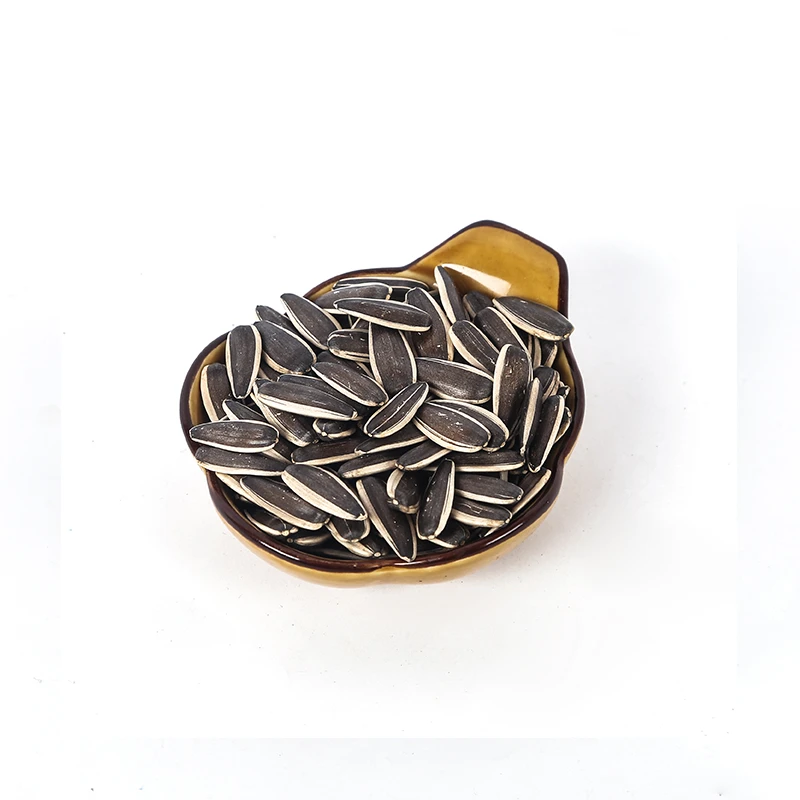
Sunflower seeds are biologically complex, comprising a hull (pericarp), kernel (cotyledon), and embryo. The hull’s composition is primarily cellulose and lignin, contributing to structural integrity and influencing dehulling efficiency. The kernel’s core constituent is oil, typically comprising 40-50% of its weight, consisting predominantly of linoleic acid (polyunsaturated omega-6 fatty acid) and oleic acid (monounsaturated fatty acid). Protein content varies between 18-25%, with carbohydrates accounting for the remaining portion. Raw material sourcing significantly impacts seed quality, with optimal growth conditions (sufficient sunlight, water, and nutrient-rich soil) crucial for maximizing oil content and minimizing defects.
Manufacturing processes begin with harvesting, typically mechanical, followed by drying to reduce moisture content to around 8-10% to prevent mold growth and ensure storage stability. Dehulling is a critical step, often employing mechanical abrasion or impact techniques. The efficiency of dehulling impacts both yield and product appearance. Size grading, using screens of varying apertures, separates seeds based on kernel size, influencing subsequent processing. Optical sorting systems utilize sensors to detect and remove discolored, damaged, or foreign material. Quality control during manufacturing includes regular testing of moisture content (using moisture analyzers), oil content (using solvent extraction or near-infrared spectroscopy), and freedom from contaminants (through visual inspection and laboratory analysis). Key parameter control focuses on maintaining consistent drying temperatures, dehulling pressures, and sorting sensitivity to minimize damage and maximize product purity.
Performance & Engineering
The performance of plain sunflower seeds is heavily dependent on their physical and chemical properties. Kernel hardness, measured by compression testing, influences dehulling efficiency and milling characteristics. Oil extraction yield, a critical performance indicator, is affected by kernel size, oil content, and the efficiency of the extraction process (mechanical pressing or solvent extraction). Stability of the oil, assessed through peroxide value and acid value measurements, determines its suitability for various applications. During storage, seeds are subjected to various environmental stressors, including temperature fluctuations and humidity. These stressors can lead to lipid oxidation, protein denaturation, and fungal growth.
Engineering considerations for suppliers include optimizing storage conditions to minimize degradation. Controlled atmosphere storage, using nitrogen or carbon dioxide, can reduce oxidation rates. Proper ventilation and temperature control are essential to prevent moisture accumulation and fungal growth. Compliance requirements include adherence to food safety regulations (e.g., HACCP – Hazard Analysis and Critical Control Points) and pesticide residue limits (established by regulatory bodies like the FDA and EFSA). Furthermore, packaging materials must provide adequate barrier properties to protect seeds from moisture, oxygen, and light. Force analysis relating to the hull’s fracture strength is crucial for optimizing dehulling machinery. Environmental resistance concerns center around minimizing pesticide and fertilizer runoff during cultivation.
Technical Specifications
| Parameter | Unit | Typical Range | Test Method |
|---|---|---|---|
| Moisture Content | % | 8.0 – 10.0 | ASTM D955 |
| Oil Content | % | 40.0 – 52.0 | AOAC 985.07 |
| Kernel Size (Diameter) | mm | 10.0 – 16.0 | Sieve Analysis |
| Hull Percentage | % | 20.0 – 30.0 | Manual Separation & Weighing |
| Broken Kernels | % | < 2.0 | Visual Inspection |
| Foreign Matter | % | < 1.0 | Visual Inspection |
Failure Mode & Maintenance
Failure modes for plain sunflower seeds primarily relate to quality degradation during storage and handling. Lipid oxidation is a significant concern, leading to rancidity and off-flavors, indicated by elevated peroxide values. This is accelerated by exposure to oxygen, light, and elevated temperatures. Fungal contamination, particularly with Aspergillus species, can produce mycotoxins (e.g., aflatoxins), rendering the seeds unsuitable for human consumption. Physical damage during harvesting, dehulling, or transportation can lead to broken kernels and increased susceptibility to spoilage.
Maintenance strategies focus on proactive quality control and preventative measures. Regular monitoring of moisture content and temperature during storage is crucial. Proper ventilation and humidity control are essential to prevent fungal growth. Implementing a robust pest control program minimizes insect damage. Storage facilities should be cleaned and sanitized regularly to prevent contamination. Seed treatments with antifungal agents can provide an added layer of protection. For suppliers, implementing a traceability system allows for rapid identification and recall of affected batches in the event of quality issues. Regular calibration of analytical equipment ensures accurate testing results, and staff training on quality control procedures is paramount. Investments in modern storage facilities with controlled atmosphere capabilities represent a long-term solution for maintaining seed quality.
Industry FAQ
Q: What is the acceptable level of aflatoxin contamination for sunflower seeds destined for the European Union?
A: The European Union sets a strict limit of 2 parts per billion (ppb) for total aflatoxins in sunflower seeds. Suppliers must implement rigorous quality control measures, including regular testing, to ensure compliance with this regulation. Failure to meet this standard results in rejection of the shipment.
Q: How does the linoleic to oleic acid ratio affect the oil’s stability and application?
A: Sunflower oil with a high linoleic acid content is more prone to oxidation, resulting in lower stability. High-oleic sunflower oil, with a higher proportion of oleic acid, exhibits improved oxidative stability and is preferred for frying and other high-temperature applications. The ratio is a crucial specification for many buyers.
Q: What impact does the dehulling process have on the oil yield?
A: Inefficient dehulling leaves a significant portion of the oil trapped within the hull, reducing the overall oil yield. Optimized dehulling parameters – pressure, abrasion, and impact force – are critical for maximizing oil extraction efficiency. Complete and gentle dehulling minimizes kernel damage and preserves oil quality.
Q: What documentation is required to demonstrate compliance with food safety standards?
A: Suppliers typically need to provide a Certificate of Analysis (CoA) for each batch, detailing key parameters such as moisture content, oil content, aflatoxin levels, and pesticide residue levels. They also require documentation demonstrating adherence to a Hazard Analysis and Critical Control Points (HACCP) plan and relevant certifications (e.g., ISO 22000).
Q: How should sunflower seeds be stored to prevent deterioration during long-term storage?
A: Optimal storage conditions include a cool, dry, and well-ventilated environment. The ideal temperature is between 10-15°C (50-59°F) with a relative humidity below 65%. Storage in airtight containers or controlled atmosphere facilities (nitrogen or carbon dioxide) further minimizes oxidation and fungal growth.
Conclusion
The successful supply of plain sunflower seeds relies heavily on a comprehensive understanding of the material science governing seed quality and the engineering principles guiding efficient processing and storage. Maintaining consistent oil content, minimizing contaminants, and adhering to stringent international standards are non-negotiable requirements. Effective quality control, from raw material sourcing to final product packaging, is paramount.
Looking ahead, innovations in seed breeding, optimized harvesting techniques, and advancements in storage technology will play a crucial role in enhancing seed quality and extending shelf life. Continuous investment in analytical capabilities and staff training will enable suppliers to meet evolving customer demands and maintain a competitive edge in the global market. The future of sunflower seed supply hinges on a proactive and technically informed approach to quality assurance.
