Introduction
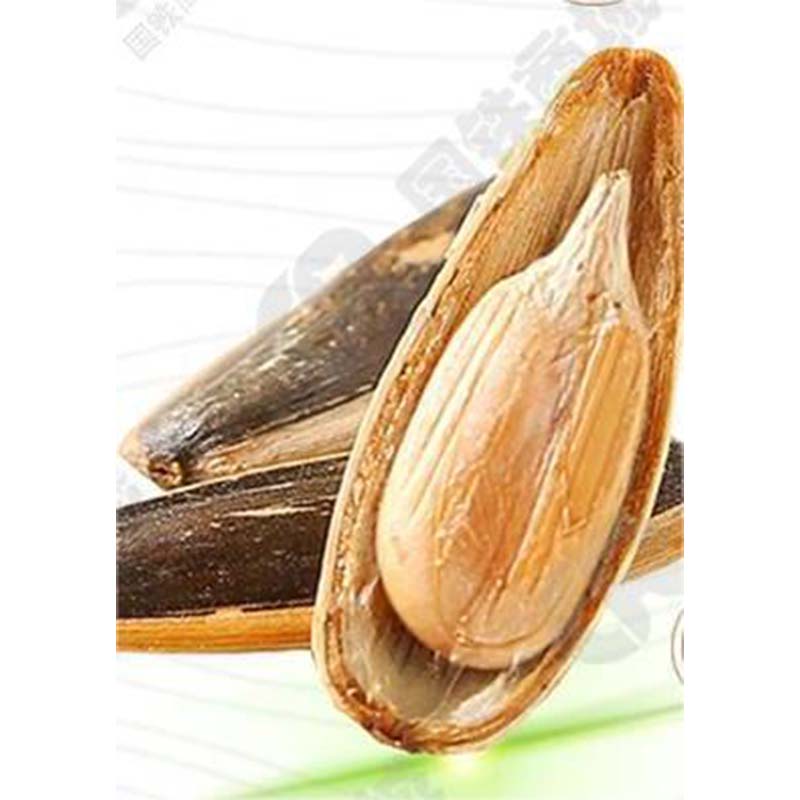
Plain sunflower seeds, Helianthus annuus, represent a significant commodity within the global food and agricultural supply chain. This technical guide provides an in-depth examination of sunflower seed characteristics, processing, quality control, and potential failure modes, targeting procurement managers and quality control engineers in the food processing industry. Sunflower seeds are primarily valued for their oil content, constituting approximately 40-50% by weight, alongside a substantial protein content (20-25%) and dietary fiber. The seeds are utilized directly as a snack food, processed into sunflower oil for cooking and industrial applications, and employed as a component in animal feed. Understanding the intricacies of seed composition, grading standards, and storage conditions is crucial for ensuring product quality, minimizing waste, and maintaining consistent performance across downstream applications. The consistent supply of high-quality plain sunflower seeds is paramount for the economic viability of industries relying on these raw materials.
Material Science & Manufacturing
Sunflower seeds are composed of a complex matrix of carbohydrates, proteins, lipids, and minor components including vitamins and minerals. The kernel itself consists of a seed coat (pericarp), a germ, and endosperm rich in oil. The oil primarily comprises linoleic acid (around 60%), oleic acid (around 30%), and palmitic acid (around 5%). Kernel hardness, determined by the pericarp’s composition and thickness, impacts processing efficiency. Manufacturing begins with harvesting, typically performed mechanically. Post-harvest processing involves cleaning (removal of debris, stalks, and immature seeds), drying to reduce moisture content (typically to 8-10% to prevent fungal growth), dehulling (removal of the outer hull), and grading based on size, shape, and oil content. Dehulling methods include impact dehulling and roller dehulling. Parameter control during drying is critical; excessive heat can denature proteins and reduce oil quality. The use of controlled atmosphere drying is becoming increasingly prevalent to maintain seed viability and minimize oxidative damage. Seed oil extraction is typically done via mechanical pressing or solvent extraction (hexane being the common solvent), followed by refining, bleaching, and deodorizing processes to achieve food-grade oil.
Performance & Engineering
The performance of sunflower seeds is intimately linked to their physical and chemical properties. Shear force analysis is utilized to assess kernel hardness and dehulling efficiency. Impact resistance is a critical parameter, particularly during handling and transportation; seeds subjected to excessive impact can develop micro-cracks, increasing susceptibility to moisture absorption and fungal contamination. Oil stability, measured through rancidity tests (Peroxide Value, Anisidine Value), is paramount for maintaining product quality during storage. The engineering considerations center around maintaining seed integrity throughout the supply chain. Silo design and ventilation systems must prevent moisture buildup and localized heating, mitigating the risk of aflatoxin contamination (a serious concern, especially in warm and humid climates). The flowability of seeds, characterized by angle of repose and bulk density, influences the efficiency of conveying and processing systems. Compliance with food safety regulations (e.g., FDA guidelines, EU regulations regarding contaminants and pesticide residues) is non-negotiable. Furthermore, the energy efficiency of dehulling and oil extraction processes is a key engineering challenge, driving innovation in equipment design and process optimization.
Technical Specifications
| Parameter | Unit | Typical Value (Range) | Testing Method |
|---|---|---|---|
| Oil Content (Dry Basis) | % | 40-50 | Soxhlet Extraction (AOCS Official Method) |
| Moisture Content | % | 8-10 (Maximum 12) | Oven Drying (AOCS Official Method) |
| Kernel Hardness | N | 50-120 | Texture Analyzer (Compression Test) |
| Free Fatty Acids (FFA) | % | < 0.5 | Titration (AOCS Official Method) |
| Peroxide Value (PV) | meq O2/kg | < 5 | Iodometric Titration (AOCS Official Method) |
| Aflatoxin Content (Total) | ppb | < 20 | ELISA or HPLC (Food Safety Standards) |
Failure Mode & Maintenance
Sunflower seeds are susceptible to several failure modes. Lipid Oxidation leads to rancidity, reducing oil quality and nutritional value. This is accelerated by exposure to oxygen, light, and heat. Microbial Contamination, particularly with Aspergillus species, can result in aflatoxin production, rendering the seeds unfit for consumption. Physical Damage (cracking, chipping) during handling and processing increases susceptibility to moisture absorption and pest infestation. Insect Infestation (e.g., storage beetles) can cause significant losses. Moisture Absorption leading to mold growth and reduced shelf life is a common failure. Maintenance protocols include proper storage in cool, dry, and well-ventilated conditions. Regular inspection for insect activity and signs of mold growth is crucial. Implementing a robust pest management program is essential. Seed drying equipment should be regularly calibrated and maintained to ensure optimal performance. Quality control measures, including periodic oil quality analysis and aflatoxin testing, are necessary to detect and mitigate potential failures. Proper silo cleaning and sanitation practices are critical for preventing contamination. Consideration of packaging materials with appropriate barrier properties to minimize oxygen permeation is also a key preventative measure.
Industry FAQ
Q: What is the acceptable level of hull fragments in a shipment of dehulled sunflower seeds?
A: Industry standards typically allow for a maximum of 2-3% hull fragments by weight. Higher percentages can impact processing efficiency and product quality. This is often stipulated in the supply contract and verified through visual inspection and sieving analysis.
Q: How does seed moisture content affect long-term storage stability?
A: Moisture content is paramount. Above 12%, the risk of mold growth and aflatoxin production significantly increases. Ideally, seeds should be stored at 8-10% moisture content. Regular monitoring of moisture levels during storage is essential.
Q: What testing protocols are used to verify the absence of genetically modified organisms (GMOs) in sunflower seeds?
A: PCR (Polymerase Chain Reaction) testing is the standard method for detecting GMOs. Suppliers should provide documentation verifying GMO-free status, typically a certificate of analysis from an accredited testing laboratory.
Q: What are the key considerations when evaluating the performance of different sunflower seed drying systems?
A: Energy efficiency, drying rate, seed temperature control, and the ability to maintain seed quality (minimizing protein denaturation and oil degradation) are key performance indicators. Controlled atmosphere drying systems are often preferred for preserving seed viability and minimizing oxidative damage.
Q: How are sunflower seeds graded and what is the significance of each grade?
A: Grading is based on kernel size, shape, oil content, and the presence of foreign material. Grading standards vary regionally (e.g., US standards, EU standards). Higher grades typically command a premium price and are preferred for direct consumption applications, while lower grades may be suitable for oil extraction or animal feed.
Conclusion
The consistent quality and availability of plain sunflower seeds are underpinned by a complex interplay of material science, manufacturing processes, and rigorous quality control measures. Understanding the critical parameters – from oil content and moisture levels to aflatoxin contamination and physical integrity – is essential for procurement professionals and engineers alike. Implementing robust storage protocols, utilizing appropriate testing methodologies, and adhering to relevant food safety regulations are vital for mitigating potential failure modes and ensuring a reliable supply of this important agricultural commodity.
Future innovations in sunflower seed processing will likely focus on optimizing energy efficiency, minimizing waste, and enhancing oil stability. Advanced drying technologies, improved dehulling methods, and the development of more resilient seed varieties will play a crucial role in addressing the evolving demands of the food processing industry. A continued emphasis on sustainability and traceability throughout the supply chain will be paramount.
