Introduction
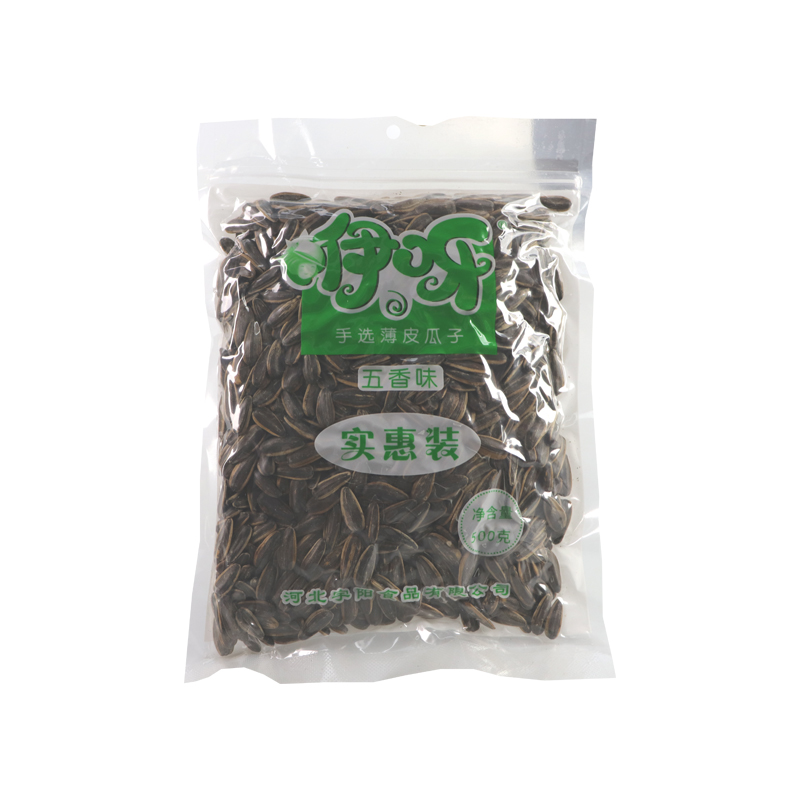
Plain sunflower seeds ( Helianthus annuus) represent a significant commodity within the global food industry, positioned primarily as a snack food and secondary as a source of oil and protein. Their technical position in the supply chain begins with agricultural cultivation and harvesting, transitioning through drying, dehulling, grading, and finally, packaging for consumer distribution. Core performance characteristics center around kernel size, oil content, protein content, moisture content, and freedom from defects like broken kernels or foreign material. The industry currently grapples with maintaining consistent quality standards across varying growing conditions and optimizing processing techniques to minimize waste and maximize oil yield. Concerns regarding aflatoxin contamination and maintaining optimal storage conditions for lipid stability are also paramount.
Material Science & Manufacturing
The primary raw material is the sunflower seed kernel, composed largely of lipids (40-55%), proteins (20-25%), carbohydrates (15-20%), and fiber (5-10%). The lipid component consists predominantly of linoleic acid (an omega-6 fatty acid), oleic acid (an omega-9 fatty acid), and palmitic acid. Kernel shell composition is primarily cellulose and lignin, providing structural rigidity. Manufacturing commences with post-harvest drying to reduce moisture content to approximately 8-10%, preventing fungal growth and extending shelf life. This is typically achieved through forced-air drying. Dehulling is a critical step, often employing impact dehullers or roller dehullers. Impact dehullers use high-speed impact to fracture the hull, while roller dehullers utilize friction between rotating rollers. Precise control of roller pressure and speed in roller dehulling is crucial to minimize kernel damage. Following dehulling, seeds undergo cleaning to remove residual hulls, foreign matter, and broken kernels, often using a combination of screens, air separation, and gravity tables. Grading is performed based on kernel size, density, and color, utilizing sizing screens and optical sorters. Quality control during each stage, including regular moisture content analysis and aflatoxin testing (using ELISA or HPLC methods), is essential. Finally, seeds are typically packaged in airtight materials to prevent oxidation and moisture re-absorption.
Performance & Engineering
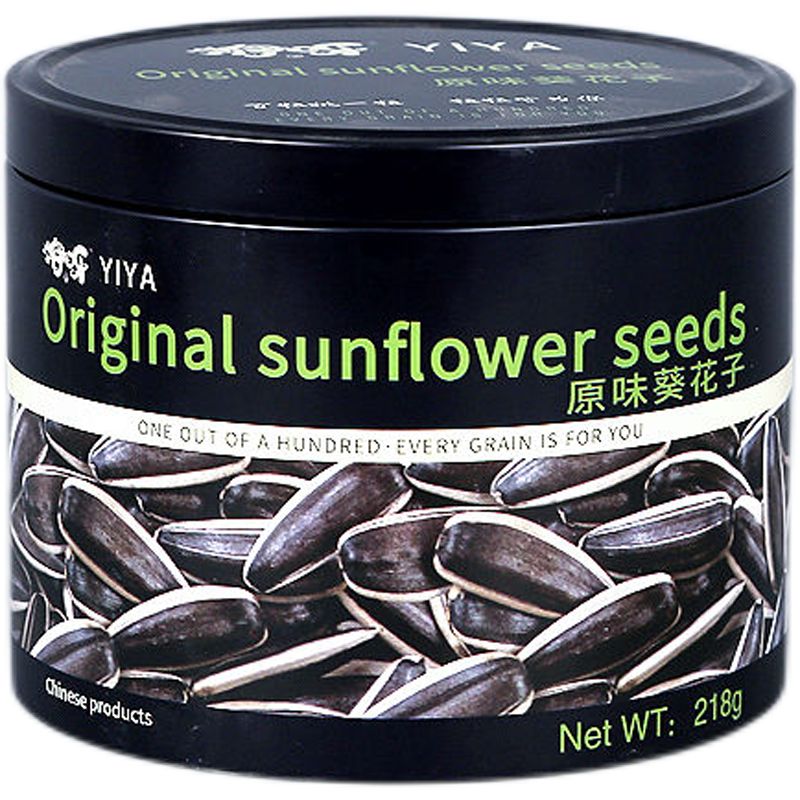
Performance characteristics are heavily influenced by lipid oxidation, which leads to rancidity and off-flavors. This is quantified through Peroxide Value (PV) and Anisidine Value (AV) measurements. Lower PV and AV values indicate better oxidative stability. Environmental resistance focuses primarily on moisture and temperature control. High humidity accelerates lipid oxidation, while fluctuating temperatures can induce condensation, promoting microbial growth. Packaging materials must therefore provide a robust barrier to moisture and oxygen. Compliance requirements include adherence to food safety regulations (FDA in the US, EFSA in Europe), including maximum allowable levels of aflatoxins (typically <20 ppb). Force analysis is relevant in processing equipment, particularly in dehulling and cracking stages, where understanding the fracture strength of the hull is vital to optimize equipment parameters. Shelf-life studies, employing accelerated aging protocols (elevated temperature and humidity), are employed to predict product quality over time, establishing ‘best before’ dates. The mechanical properties of the kernel, like hardness, influence the efficiency of cracking operations for in-shell varieties.
Technical Specifications
| Parameter | Unit | Typical Value (Range) | Test Method |
|---|---|---|---|
| Moisture Content | % | 8.0 – 10.0 | AOAC 925.10 |
| Oil Content (Dry Basis) | % | 40 – 55 | Soxhlet Extraction (AOAC 920.39) |
| Protein Content (Dry Basis) | % | 18 – 26 | Kjeldahl Method (AOAC 920.87) |
| Kernel Size (Average Diameter) | mm | 8 – 12 | Sieve Analysis |
| Aflatoxin Level (B1, B2, G1, G2) | ppb | < 20 | HPLC or ELISA |
| Peroxide Value (PV) | meq O2/kg | < 5.0 | AOCS Cd 8-53 |
Failure Mode & Maintenance
Failure modes in plain sunflower seeds primarily relate to quality degradation during storage and handling. Lipid oxidation, leading to rancidity, is a major failure mechanism. This is exacerbated by exposure to oxygen, light, and elevated temperatures. Physical damage to the kernel (cracking, chipping) during processing and transportation reduces its aesthetic appeal and can accelerate oxidation. Microbial contamination, particularly by aflatoxin-producing fungi (Aspergillus flavus), presents a significant safety hazard. Moisture re-absorption leads to clumping and increased susceptibility to microbial growth. Maintenance strategies focus on optimizing storage conditions – maintaining low temperature (below 15°C) and humidity (below 60%). Proper packaging with high barrier properties (oxygen, moisture) is critical. Regular monitoring of moisture content, oil quality (PV, AV), and aflatoxin levels is essential. Equipment maintenance, particularly of dehulling and sorting machinery, to minimize kernel damage. Implementing a robust pest control program to prevent fungal contamination. Rotation of inventory following a “first-in, first-out” (FIFO) principle.
Industry FAQ
Q: What are the primary factors influencing sunflower seed oil stability during storage?
A: The key factors are temperature, oxygen exposure, moisture content, and the initial oil composition (specifically, the levels of linoleic and oleic acids). Higher temperatures and oxygen levels accelerate oxidation. Maintaining low moisture content prevents microbial growth which can contribute to oxidation. Seeds with higher oleic acid content exhibit better oxidative stability.
Q: How is aflatoxin contamination controlled in sunflower seeds?
A: Control begins with pre-harvest practices – selecting disease-resistant varieties and proper field management. Post-harvest, rigorous cleaning and sorting to remove damaged kernels (where Aspergillus is more likely to grow) is vital. Regular testing for aflatoxins using ELISA or HPLC is crucial, and contaminated lots must be rejected or blended to meet regulatory limits.
Q: What is the impact of dehulling efficiency on the final product quality?
A: Efficient dehulling is crucial. Incomplete dehulling leaves residual hull fragments which can affect flavor and texture. Excessive dehulling force can damage the kernel, increasing susceptibility to oxidation and reducing its aesthetic appeal. Optimal dehulling requires precise control of equipment parameters.
Q: How do different packaging materials affect the shelf life of sunflower seeds?
A: Packaging materials with high barrier properties to oxygen and moisture are essential. Materials like metallized polyethylene terephthalate (mPET) or aluminum foil laminates offer superior protection compared to simple polyethylene films. Vacuum packaging or modified atmosphere packaging (MAP) can further extend shelf life by reducing oxygen levels.
Q: What are the implications of varying kernel size and density on processing efficiency?
A: Uniform kernel size and density improve the efficiency of sorting, grading, and cracking operations. Variability requires more precise equipment adjustments and can lead to a higher percentage of broken or damaged kernels. Size grading ensures consistent quality and appearance in the final product.
Conclusion
Plain sunflower seeds, while seemingly simple, present a complex interplay of material science, manufacturing controls, and performance characteristics. Maintaining optimal quality hinges on controlling lipid oxidation, preventing microbial contamination, and ensuring efficient processing with minimal kernel damage. Adherence to stringent quality control measures throughout the entire supply chain, from cultivation to packaging, is paramount.
Future advancements are likely to focus on developing sunflower varieties with improved oil stability (higher oleic acid content) and enhanced resistance to fungal contamination. Innovations in packaging technology, such as active packaging materials that scavenge oxygen, will further extend shelf life. Continuous refinement of processing techniques, including optimized dehulling and sorting algorithms, will contribute to maximizing yield and minimizing waste.
