Introduction
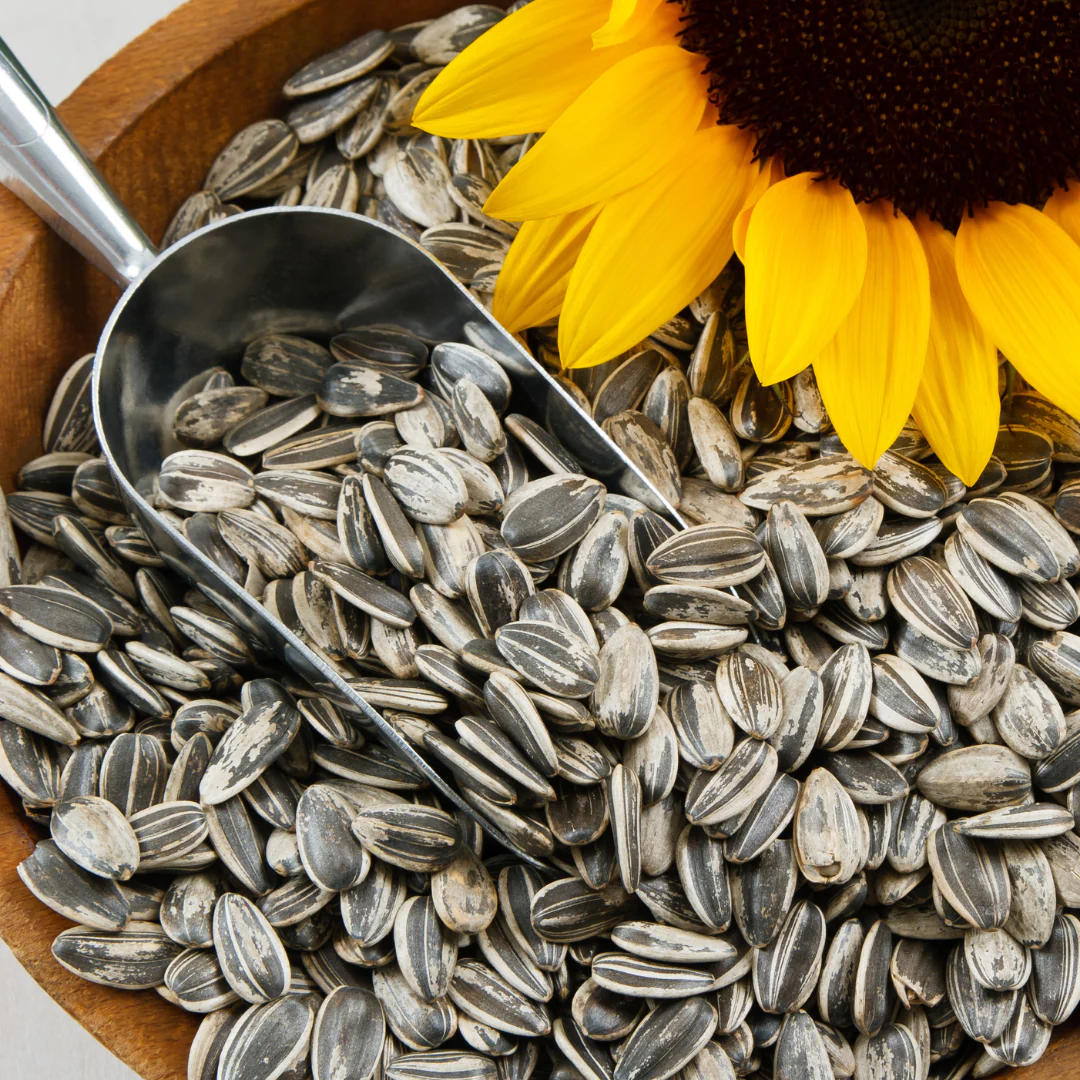
Plain sunflower seeds represent a significant commodity within the agricultural processing industry, falling under the broader classification of oilseed processing. These seeds, Helianthus annuus, are primarily utilized for direct human consumption as a snack food, and as a crucial input for sunflower oil production. Their position in the supply chain begins with agricultural cultivation, followed by harvesting, drying, dehulling, grading, and finally, packaging for distribution. Core performance characteristics defining quality include kernel size, oil content, moisture content, hulling percentage, and the absence of foreign material and mycotoxins. A significant industry pain point revolves around maintaining consistent seed quality across varying climatic conditions and ensuring adherence to stringent food safety regulations across international markets. Effective processing directly impacts the edible oil yield, consumer acceptance, and profitability for manufacturers.
Material Science & Manufacturing
Sunflower seeds are composed primarily of oil (42-58%), protein (18-26%), carbohydrates (10-20%), and fiber (6-10%), with trace amounts of vitamins and minerals. The oil itself consists largely of linoleic acid (an omega-6 fatty acid), oleic acid (an omega-9 fatty acid), and palmitic acid. Seed coat composition consists of cellulose, hemicellulose, and lignin, providing structural rigidity. The manufacturing process begins with post-harvest drying to reduce moisture content to approximately 8-10%, critical for preventing fungal growth and preserving oil quality. Dehulling is performed mechanically, utilizing impact and friction to separate the kernel from the hull. Subsequent cleaning stages remove foreign matter (stalks, leaves, stones). Grading is achieved through sizing screens, categorizing seeds based on kernel diameter. Critical parameters include impact velocity during dehulling (influencing kernel damage), drying temperature (preventing oil degradation), and screen aperture size (determining kernel uniformity). Chemical compatibility considerations involve avoiding contact with reactive metals that could catalyze oil oxidation, and appropriate food-grade lubricants for machinery.
Performance & Engineering
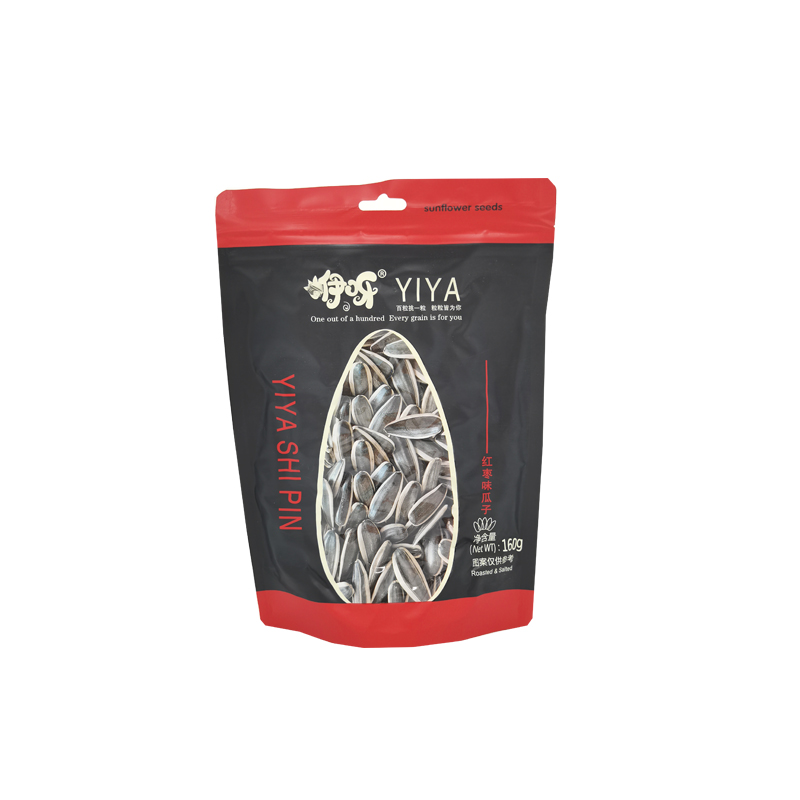
The performance of plain sunflower seeds relates primarily to their structural integrity and nutritional value. Force analysis is crucial during dehulling, focusing on the impact force required to effectively separate the kernel without causing fractures. Hulling efficiency is maximized by optimizing impactor design and seed feed rate. Environmental resistance concerns center around moisture uptake during storage, which promotes lipid peroxidation and reduces shelf life. Packaging materials must provide a robust barrier to moisture and oxygen. Compliance requirements include adherence to food safety standards such as HACCP (Hazard Analysis and Critical Control Points) and GMP (Good Manufacturing Practices). Functional implementation considerations involve optimizing cleaning systems to effectively remove aflatoxins (mycotoxins produced by Aspergillus fungi) which pose a significant health risk. Furthermore, the thermal stability of the oil during processing and storage is a key engineering parameter. Seed oil oxidation rate is evaluated using Rancimat methods, determining the induction time before significant oxidation occurs. Packaging design incorporates modified atmosphere packaging (MAP) techniques, reducing oxygen levels to further enhance shelf life.
Technical Specifications
| Parameter | Unit | Typical Value (Standard Grade) | Acceptable Range |
|---|---|---|---|
| Oil Content (Dry Basis) | % | 48% | 42-58% |
| Moisture Content | % | 8% | 7-10% |
| Kernel Size (Diameter) | mm | 12-14 | 10-16 |
| Hulling Percentage | % | 95% | 90-98% |
| Foreign Matter | % | <0.5 | <1% |
| Aflatoxin Level (B1) | ppb | <5 | <20 (Regulatory Limit) |
Failure Mode & Maintenance
Failure modes in plain sunflower seeds relate to both the kernel itself and the processing equipment. Kernel failure includes cracking during dehulling, leading to reduced marketable yield. Lipid peroxidation and rancidity result from exposure to oxygen, light, and elevated temperatures, causing off-flavors and reduced nutritional value. Insect infestation is another common failure mode, requiring effective pest control measures during storage. Equipment failure includes wear of impactors and screens in the dehulling system, leading to reduced efficiency and increased kernel damage. Bearing failure in processing machinery is common, due to abrasive seed dust and heavy loads. Preventative maintenance includes regular inspection and replacement of wear parts, lubrication of bearings, and cleaning of processing lines. Storage facilities require monitoring of temperature and humidity to prevent fungal growth and insect infestation. Oil quality analysis (peroxide value, acid value) should be performed periodically to assess the degree of oxidation. Implementing a robust cleaning and sanitation program is critical to minimizing contamination risks.
Industry FAQ
Q: What is the primary factor influencing sunflower seed oil quality?
A: The primary factor influencing sunflower seed oil quality is the genetic variety of the sunflower, impacting the fatty acid profile (oleic vs. linoleic content). Post-harvest handling, specifically drying temperature and storage conditions, significantly contribute to preventing oxidation and preserving oil quality. Minimizing exposure to light, oxygen, and heat are crucial.
Q: How is aflatoxin contamination controlled during processing?
A: Aflatoxin contamination is controlled through rigorous quality control measures at each stage of processing. This includes sourcing seeds from reputable suppliers, utilizing effective cleaning systems (e.g., color sorters, density separators) to remove contaminated seeds, and implementing strict hygiene practices throughout the facility. Regular testing for aflatoxin levels is also essential.
Q: What is the optimal moisture content for long-term sunflower seed storage?
A: The optimal moisture content for long-term sunflower seed storage is between 8% and 9%. Maintaining this low moisture level inhibits fungal growth and lipid peroxidation, maximizing shelf life. Proper ventilation and temperature control in storage facilities are also essential.
Q: What are the key considerations for packaging sunflower seeds for export?
A: Key considerations include utilizing packaging materials that provide a barrier to moisture, oxygen, and light. Packaging must also comply with the import regulations of the destination country, including labeling requirements and food safety standards. Modified atmosphere packaging (MAP) can further extend shelf life during transit.
Q: How does the dehulling process impact the nutritional value of the seeds?
A: The dehulling process, if not optimized, can lead to kernel damage and increased lipid oxidation, potentially reducing nutritional value. Gentle dehulling techniques and prompt processing of kernels after dehulling are crucial to minimize losses. The hull itself contains fiber and other beneficial compounds, so complete removal isn't always desirable for all product applications.
Conclusion
The production of plain sunflower seeds necessitates a comprehensive understanding of seed morphology, oil chemistry, and processing engineering. Maintaining consistent quality requires meticulous control over each stage, from agricultural practices to packaging and storage. The industry faces ongoing challenges related to minimizing aflatoxin contamination, preserving oil quality, and optimizing processing efficiency.
Future advancements in sunflower seed processing will likely focus on developing more efficient dehulling technologies, improving storage methods to extend shelf life, and utilizing innovative packaging materials to enhance product protection. Furthermore, genetic breeding programs aimed at developing sunflower varieties with higher oil content, improved fatty acid profiles, and increased resistance to fungal infections will play a critical role in ensuring the long-term sustainability and profitability of the industry.
