Introduction
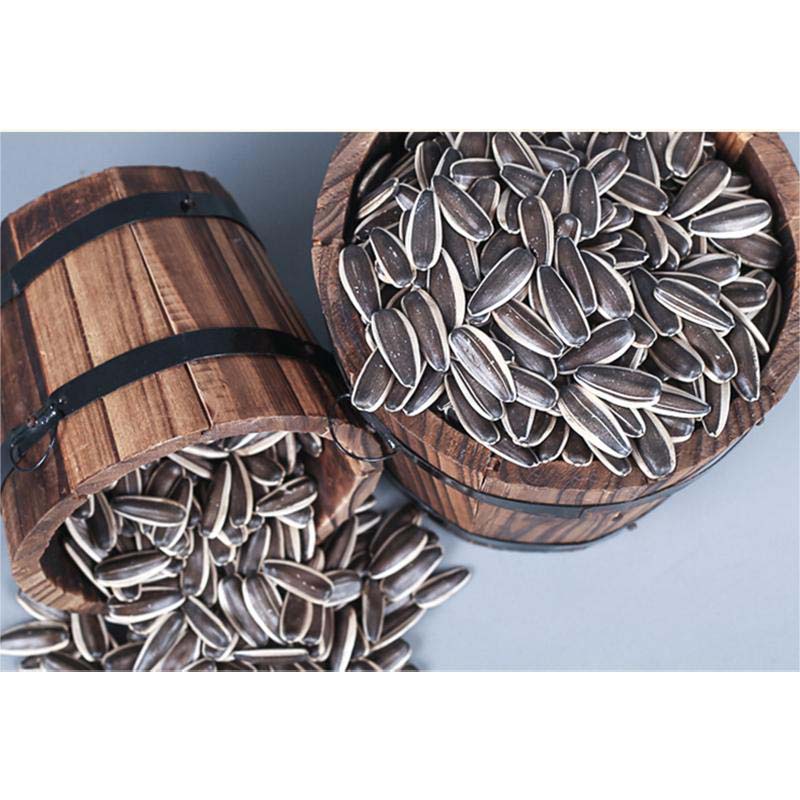
Plain sunflower seeds factories represent a critical segment within the agricultural processing industry, converting raw sunflower seeds into a consumable product widely distributed through retail and food service channels. These facilities are not simply cleaning and packaging operations; they incorporate sophisticated processes for seed dehulling, grading, drying, seasoning, and quality control. The technical position within the supply chain is pivotal, bridging the gap between agricultural production and consumer markets. Core performance characteristics hinge on maintaining seed integrity (minimizing breakage), achieving consistent kernel size and weight, preserving oil quality, and ensuring food safety through rigorous sanitation and foreign material removal. Challenges commonly faced include minimizing oil rancidity, managing dust explosion hazards associated with seed hulls, and meeting stringent regulatory requirements concerning aflatoxin levels and pesticide residues. This guide provides an in-depth technical overview of these operations, covering material science, manufacturing processes, performance engineering, failure modes, and relevant industry standards.
Material Science & Manufacturing
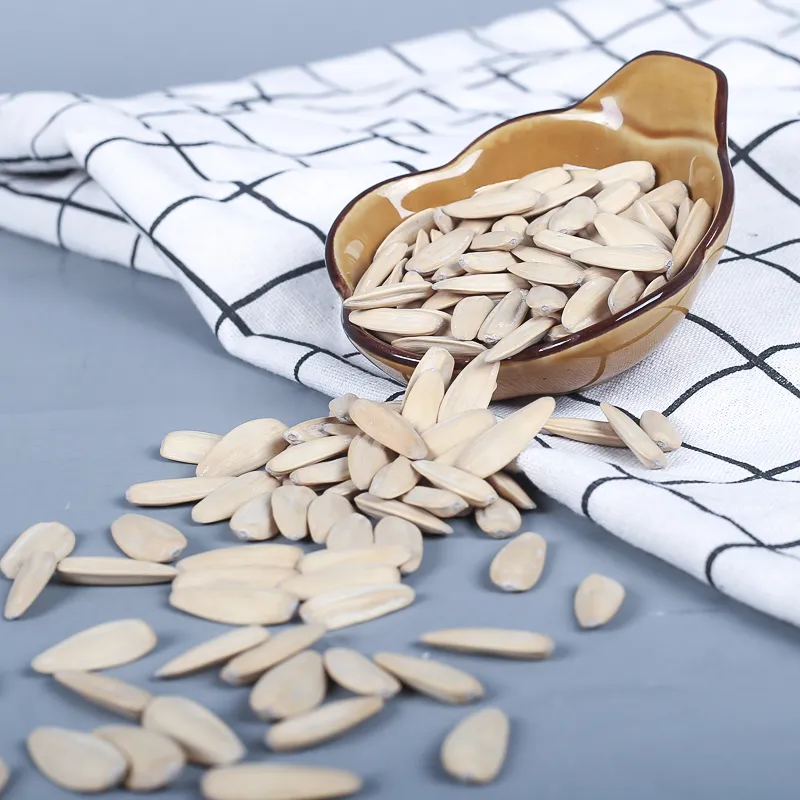
The primary raw material, the sunflower seed (Helianthus annuus), possesses a complex composition. The kernel, constituting approximately 40-50% of the seed's weight, is rich in oil (40-55%), protein (18-25%), and carbohydrates (10-15%). The hull, or pericarp, is composed primarily of cellulose, hemicellulose, and lignin, providing a fibrous outer layer. Oil quality is paramount, dictated by fatty acid profile (oleic, linoleic, palmitic, stearic acids) and the presence of tocopherols (Vitamin E) acting as natural antioxidants. Manufacturing commences with pre-cleaning to remove large debris (stems, leaves). Dehulling is achieved through impact dehullers, utilizing differential impact forces to fracture the hull without damaging the kernel. Control parameters include rotor speed, impact plate gap, and feed rate – optimal settings minimize kernel breakage and maximize hull removal efficiency. Grading separates kernels by size and density using screens and air classifiers. Drying, typically employing fluidized bed dryers, reduces moisture content to approximately 7-9% to inhibit microbial growth and maintain product quality. Critical parameters here include air temperature, airflow rate, and residence time. Seasoning, involving the application of salt, flavorings, and sometimes coatings, is a crucial step influencing consumer acceptance. Finally, packaging utilizes materials with low oxygen transmission rates (OTR) to preserve oil stability and prevent rancidity. Hulls are often by-product streams used for animal feed or as a source of biomass for energy production.
Performance & Engineering
The performance of a sunflower seed processing line is evaluated by several key engineering metrics. Throughput, measured in tons per hour, is dependent on processing capacity at each stage (dehulling, grading, drying). Efficiency, defined as the percentage of input seeds recovered as marketable kernels, is a critical indicator of process optimization. Kernel damage rate, quantified as the percentage of broken or chipped kernels, directly impacts product quality and value. Energy consumption, particularly during drying, represents a significant operational cost. Force analysis during dehulling reveals the optimal impact energy required for hull separation without kernel damage. Environmental resistance considers the impact of humidity and temperature on seed quality and storage stability. Compliance requirements are extensive, including adherence to food safety standards (HACCP, GMP), regulations regarding pesticide residues (EPA, EU regulations), and labeling requirements (FDA). Dust explosion hazards, prevalent in handling dry seed hulls, necessitate robust dust collection systems, grounding procedures, and explosion venting. Furthermore, ergonomic considerations are paramount, as repetitive tasks in sorting and packaging can lead to musculoskeletal disorders. Continuous monitoring of moisture content, temperature, and foreign material presence is essential for maintaining consistent product quality and safety.
Technical Specifications
| Parameter | Unit | Typical Range | Testing Standard |
|---|---|---|---|
| Kernel Moisture Content | % | 7-9 | AOAC 925.10 |
| Kernel Oil Content | % | 40-55 | ISO 659-1 |
| Kernel Broken/Damaged | % | < 5 | Visual Inspection/Grading Standards |
| Foreign Material | % | < 0.1 | Visual Inspection/Sieve Analysis |
| Aflatoxin Levels (B1, B2, G1, G2) | ppb | < 20 | HPLC-MS/MS (AOAC 2000-14) |
| Hull Content | % | <1 | Weight Difference Analysis |
Failure Mode & Maintenance
Common failure modes in sunflower seed processing equipment include bearing failure in dehullers and dryers due to abrasive seed particles and inconsistent lubrication, belt wear in conveying systems caused by seed impact and friction, screen damage in grading systems from impact and fatigue, and clogging in dust collection systems leading to reduced efficiency and increased dust levels. Motor failures can occur due to overload or overheating, often associated with improper belt tension or bearing issues. Kernel breakage, while not a machine failure, is a significant quality issue often resulting from incorrect dehuller settings or excessive conveying speeds. Oil rancidity, a chemical degradation process, is accelerated by exposure to oxygen, light, and elevated temperatures. Preventative maintenance is crucial. This includes regular lubrication of bearings, inspection and replacement of worn belts and screens, filter cleaning and replacement in dust collection systems, and periodic motor inspections. Implementing a vibration analysis program can detect bearing wear early on. Oil quality monitoring through peroxide value (PV) and acid value (AV) measurements provides an indication of rancidity development. Proper sanitation procedures, including regular cleaning and disinfection, are essential for preventing microbial contamination and ensuring food safety. Regular calibration of sensors and control systems is vital for maintaining process accuracy and consistency.
Industry FAQ
Q: What are the critical control points for minimizing aflatoxin contamination in sunflower seeds?
A: The critical control points (CCPs) are primarily focused on pre-harvest and post-harvest practices. Pre-harvest, this involves sourcing seeds from regions with low aflatoxin prevalence and implementing proper agricultural practices to minimize insect damage. Post-harvest, thorough cleaning and grading to remove damaged or moldy seeds is crucial. Maintaining low moisture content during storage and processing is essential, as aflatoxin production is inhibited by low moisture. Regular testing for aflatoxin levels at various stages of processing and storage is mandatory. Proper storage conditions (cool, dry, well-ventilated) are also vital.
Q: How does hulling impact the oxidative stability of sunflower oil?
A: The hulling process can increase the rate of oxidative degradation of sunflower oil. The impact and friction during dehulling can cause cellular damage, releasing lipoxygenase enzymes which catalyze the oxidation of unsaturated fatty acids. Removing the hull also exposes the kernel to more oxygen. Therefore, minimizing kernel damage during dehulling, employing antioxidants (e.g., Vitamin E), and packaging in oxygen-barrier materials are essential for maintaining oil stability.
Q: What are the key considerations for dust explosion prevention in a sunflower seed processing plant?
A: Sunflower seed hulls are highly combustible and pose a significant dust explosion risk. Key prevention measures include implementing a robust dust collection system with explosion venting, using grounded equipment to prevent static electricity buildup, maintaining good housekeeping to minimize dust accumulation, employing intrinsically safe electrical equipment, and implementing a comprehensive dust hazard analysis (DHA). Regular inspection and maintenance of dust collection systems are critical.
Q: How do you optimize the drying process to minimize oil degradation while achieving the target moisture content?
A: Optimizing the drying process requires careful control of air temperature, airflow rate, and residence time. Using lower air temperatures, while extending drying time, minimizes thermal degradation of the oil. Ensuring uniform airflow prevents localized overheating. Monitoring kernel temperature during drying is essential. Implementing a staged drying process, with lower temperatures initially and gradually increasing them, can also help preserve oil quality.
Q: What is the role of seed grading in ensuring consistent product quality?
A: Seed grading is a crucial step in ensuring consistent product quality. It removes foreign materials (stones, sticks, metal fragments), broken kernels, and underdeveloped seeds. Grading by size and density allows for a more uniform product. Consistent kernel size and weight contribute to uniform roasting and seasoning. Effective grading improves the overall appearance, texture, and taste of the final product, increasing consumer acceptance.
Conclusion
The operation of a plain sunflower seeds factory involves a complex interplay of material science, mechanical engineering, and food safety principles. Achieving optimal performance necessitates a thorough understanding of seed composition, precise control of manufacturing parameters, and a proactive approach to maintenance and quality control. Addressing challenges related to oil stability, dust explosion hazards, and regulatory compliance is critical for sustainable operation and market success.
Future trends in sunflower seed processing will likely focus on increased automation, improved energy efficiency, and the development of novel processing technologies to enhance oil quality and reduce waste. Implementing real-time monitoring and control systems, utilizing advanced sensor technologies, and exploring alternative dehulling methods are areas for continued innovation. Furthermore, adapting to evolving consumer demands for healthier and more sustainable food products will be essential for long-term competitiveness.
