Introduction
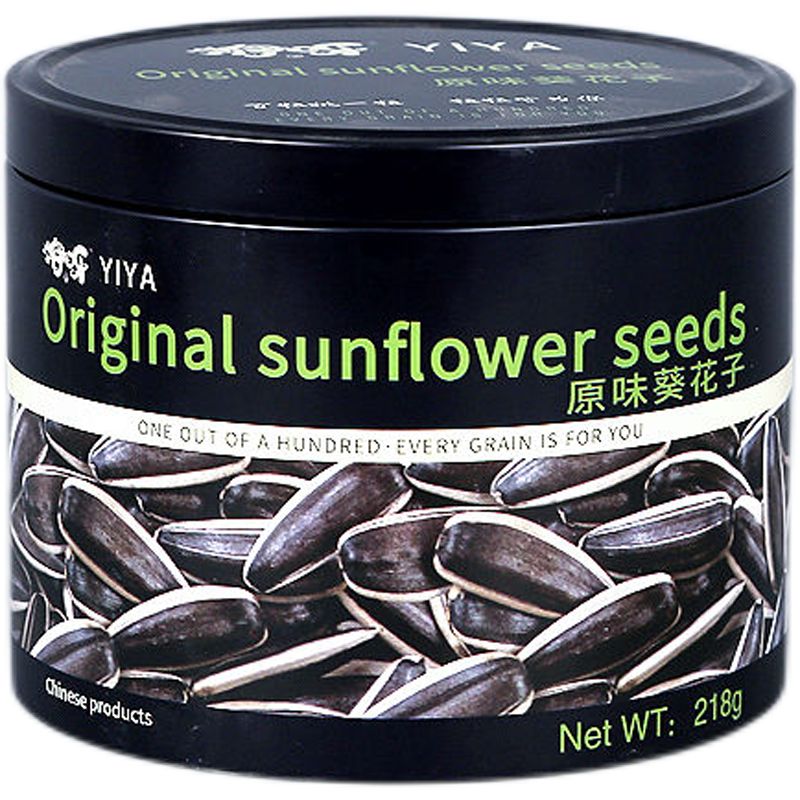
Plain sunflower seeds ( Helianthus annuus ) represent a significant commodity in international agricultural trade, serving both as a direct consumer product and as a critical input for oil extraction. This technical guide addresses the complexities facing exporters, covering aspects from seed morphology and quality control to storage, logistics, and international standards. Sunflower seeds are categorized based on size (large, medium, small), hull characteristics (oil-type with thin hulls, confectionery-type with thicker hulls), and oil content. The primary exporting nations include Ukraine, Russia, Argentina, and Turkey, with increasing contributions from North America and Australia. This guide focuses on the technical requirements to ensure compliance, minimize losses during transit, and maximize market value for exporters operating within the global supply chain. Core performance parameters involve moisture content, oil yield, foreign material content, and adherence to phytosanitary regulations, demanding stringent quality assurance protocols throughout the export process.
Material Science & Manufacturing
Sunflower seed composition is predominantly comprised of oil (42-58%), protein (18-26%), carbohydrates (15-20%), and fiber (5-10%). The oil is primarily linoleic acid (omega-6) with varying amounts of oleic acid (omega-9), influencing its stability and application. Seed hull structure, consisting of cellulose, hemicellulose, and lignin, dictates its resistance to mechanical damage during processing. Manufacturing begins with field harvesting, typically utilizing combine harvesters adjusted for minimal seed damage. Post-harvest processing includes cleaning to remove foreign material (stalks, leaves, stones), drying to reduce moisture content (typically to 8-10% for safe storage), dehulling (primarily for confectionery seeds), sizing, and grading. Drying is critical; improper drying leads to lipid oxidation and mycotoxin formation. Controlled atmosphere drying, utilizing air with regulated temperature and humidity, is preferred over direct sun drying. Dehulling is achieved mechanically, and kernel breakage must be minimized to maintain quality. Parameter control during drying involves monitoring seed temperature to avoid heat damage to the oil and proteins. Seed grading utilizes screens to separate seeds based on size and density, rejecting broken or damaged kernels.
Performance & Engineering
The primary performance consideration for sunflower seeds is maintaining kernel integrity throughout the supply chain. Force analysis focuses on the impact resistance of the kernels during handling and transportation. Seed kernels experience compressive, shear, and tensile stresses. Hull strength, oil content (higher oil content generally correlates with reduced hull strength), and moisture content significantly influence these stresses. Environmental resistance is crucial, particularly regarding moisture absorption and temperature fluctuations. Seeds are hygroscopic and readily absorb moisture, leading to microbial growth and rancidity. Packaging must provide a moisture barrier. Temperature control is vital, as elevated temperatures accelerate lipid oxidation and reduce oil quality. Compliance requirements vary by importing country, encompassing phytosanitary certificates (confirming freedom from pests and diseases), grading standards, and maximum permissible levels of contaminants (aflatoxins, heavy metals). Functional implementation involves understanding the intended end-use; confectionery seeds require minimal damage and high kernel plumpness, while oilseed varieties prioritize oil yield. Bulk density and flowability are important parameters for efficient unloading and storage.
Technical Specifications
| Parameter | Unit | Oil-Type Seeds | Confectionery-Type Seeds |
|---|---|---|---|
| Moisture Content | % | ≤ 9.0 | ≤ 8.0 |
| Oil Content (Dry Basis) | % | ≥ 48.0 | ≥ 40.0 |
| Kernel Damage (Broken/Chipped) | % | ≤ 2.0 | ≤ 1.0 |
| Foreign Material (Stems, Leaves, etc.) | % | ≤ 1.0 | ≤ 0.5 |
| Aflatoxin B1 | ppb | ≤ 2.0 | ≤ 2.0 |
| 1000-Kernel Weight | g | 45-60 | 60-80 |
Failure Mode & Maintenance
Failure modes in sunflower seed exports include lipid oxidation (rancidity), mycotoxin contamination (aflatoxins), insect infestation, mechanical damage (cracking, chipping), and moisture-induced degradation. Lipid oxidation is accelerated by high temperatures, light exposure, and the presence of trace metals. Mycotoxin contamination occurs pre-harvest or during improper storage, particularly in humid climates. Insect infestation can occur during storage and transit. Mechanical damage reduces seed quality and market value. Moisture absorption leads to microbial growth and reduced shelf life. Maintenance strategies involve proper drying techniques, hermetic storage (reducing oxygen exposure), controlled atmosphere storage (nitrogen flushing), regular inspection for pests and mycotoxins, and appropriate packaging materials (moisture barriers, UV protection). Implementing a Hazard Analysis and Critical Control Points (HACCP) plan is crucial for preventing contamination and ensuring product safety. Preventative maintenance of drying and processing equipment is essential for minimizing mechanical damage. Temperature and humidity monitoring during storage and transport is paramount.
Industry FAQ
Q: What is the acceptable level of aflatoxin contamination for export to the European Union?
A: The European Union (EU) has stringent regulations regarding aflatoxin contamination. Regulation (EC) No 1881/2006 sets the maximum permissible level of total aflatoxins (B1, B2, G1, and G2) in sunflower seeds at 2.0 µg/kg (ppb). Exporters must provide laboratory analysis certificates demonstrating compliance with this standard.
Q: How does moisture content impact the long-term storage stability of sunflower seeds?
A: Moisture content is a critical factor influencing storage stability. Above 9%, microbial growth and enzymatic activity accelerate, leading to lipid oxidation and the development of rancidity. High moisture levels also create conditions favorable for insect infestation. Maintaining a moisture content of 8-9% is essential for prolonged storage, and hermetic storage is recommended to minimize moisture regain.
Q: What are the key differences in quality control for oil-type versus confectionery-type sunflower seeds?
A: Oil-type seeds prioritize oil yield and are less sensitive to minor kernel damage. Quality control focuses primarily on oil content, moisture content, and foreign material. Confectionery-type seeds demand higher standards for kernel integrity, size uniformity, and visual appearance. Broken or chipped kernels are significantly less valuable. Hull strength and kernel plumpness are also important quality parameters for confectionery seeds.
Q: What packaging materials are recommended for long-distance sea freight of sunflower seeds?
A: For long-distance sea freight, multi-layered packaging is recommended. This includes an inner liner of polyethylene (PE) film to provide a moisture barrier, a middle layer of jute or polypropylene (PP) woven fabric for strength, and an outer layer of robust PE film for protection against physical damage and UV exposure. Palletization and shrink-wrapping are also essential for stability during transit.
Q: What phytosanitary certificates are typically required for sunflower seed exports?
A: Typically, an official phytosanitary certificate issued by the national plant protection organization of the exporting country is required. This certificate confirms that the seeds are free from regulated pests and diseases. Specific requirements vary by importing country, and exporters should consult the import regulations of their target market.
Conclusion
Maintaining the quality and integrity of plain sunflower seeds throughout the export process requires a comprehensive understanding of material science, manufacturing techniques, and international regulations. Controlling moisture content, minimizing mechanical damage, and preventing contamination are paramount concerns. The technical specifications outlined in this guide provide a framework for ensuring compliance and maximizing market value.
Successful sunflower seed exporters must invest in robust quality assurance systems, implement effective storage and transportation protocols, and stay abreast of evolving regulatory requirements. Proactive monitoring of critical parameters and adherence to international standards are essential for establishing a sustainable and competitive position in the global market.
