Introduction
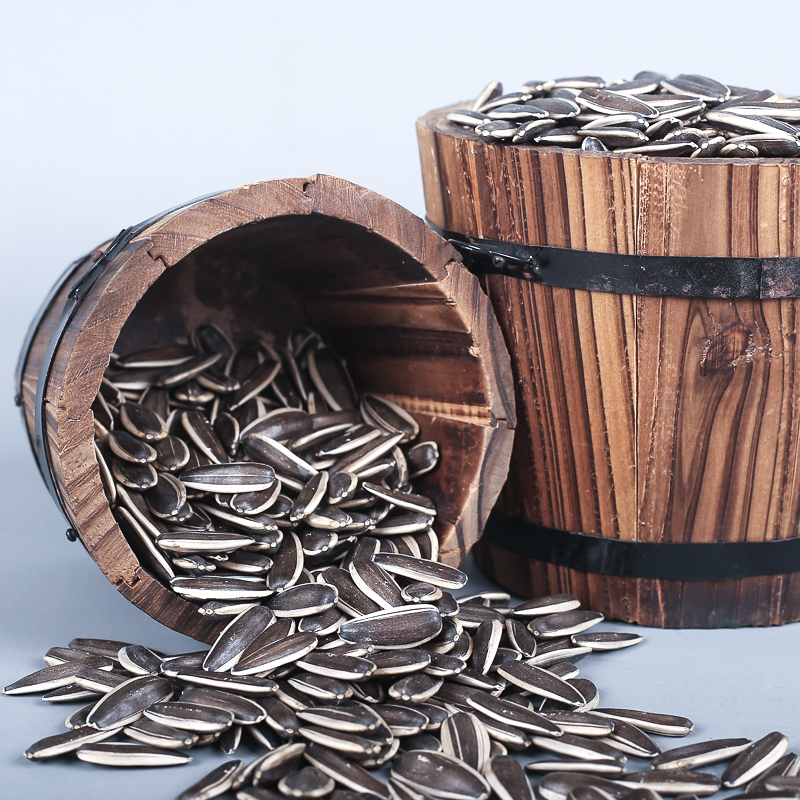
Plain sunflower seeds, Helianthus annuus, represent a significant commodity in the global agricultural market, primarily serving as a direct human consumption food product and as a critical input in the edible oil industry. This guide provides a comprehensive technical overview for exporters of plain sunflower seeds, covering material science aspects impacting quality, manufacturing processes affecting seed integrity, performance characteristics relevant to international trade, common failure modes during storage and transport, and pertinent industry standards. The critical pain points for exporters lie in maintaining consistent kernel quality, minimizing aflatoxin contamination, adhering to stringent moisture content regulations, and preventing mechanical damage during handling and shipping. Understanding the interplay of these factors is paramount to successful market penetration and long-term customer relationships. This guide is designed for procurement managers, quality control specialists, and logistics personnel involved in the sunflower seed export chain, providing detailed insights into each stage of the process.
Material Science & Manufacturing
Sunflower seeds are comprised of several key components: the hull (pericarp), the kernel (cotyledon), and the embryo. The hull provides physical protection and contributes to fiber content. The kernel, the economically valuable portion, is rich in lipids (40-50% oil content), proteins (20-25%), and carbohydrates. The oil is predominantly linoleic acid, an essential omega-6 fatty acid. The manufacturing process begins with seed selection, prioritizing high-oil content varieties. Harvesting timing is crucial, influencing both oil yield and moisture content. Drying is a critical step, typically employing forced-air systems to reduce moisture content to below 9% to inhibit mold growth and preserve oil quality. This is often achieved through a multi-stage process, carefully controlling airflow and temperature to prevent cracking or damage to the kernels. Hulling, or dehulling, removes the protective outer shell. Methods range from mechanical abrasion to chemical softening followed by mechanical separation. Gentle dehulling is essential to minimize kernel breakage and dust generation. Seed sizing and grading are then conducted to separate seeds based on size and density, removing foreign materials and immature kernels. Parameter control focuses on maintaining consistent moisture levels, minimizing hull fragments, and ensuring minimal mechanical damage during each processing stage. The chemical composition of the seed, particularly the fatty acid profile, is influenced by genetics, growing conditions (sunlight, temperature, soil composition) and storage duration. Lipid oxidation during storage is a key degradation pathway, necessitating proper temperature control and antioxidant considerations.
Performance & Engineering
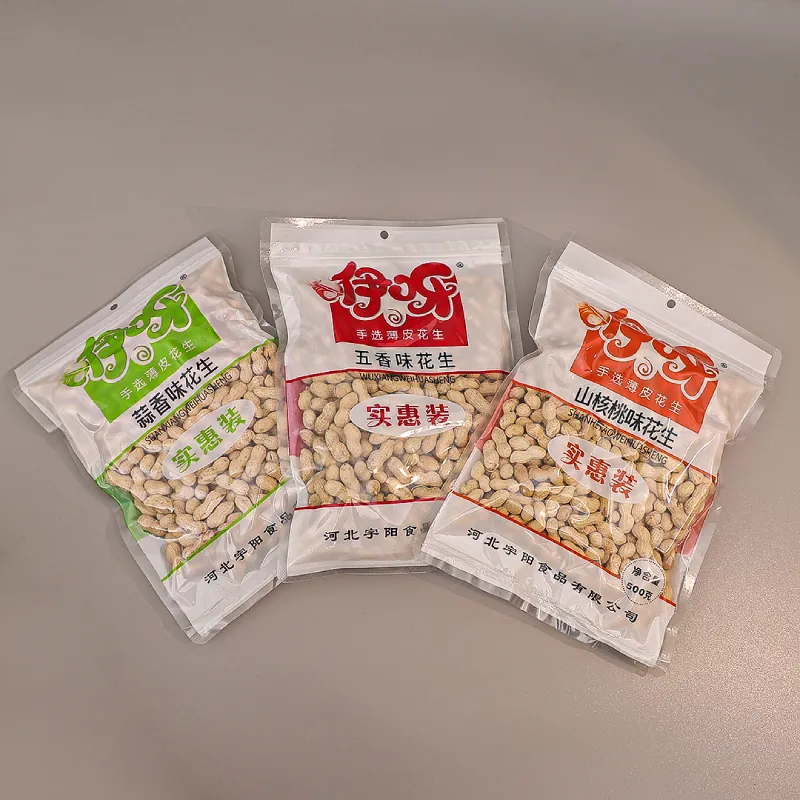
The performance of sunflower seeds during storage and transportation is dictated by several engineering principles. Stacking height in bulk storage must be limited to prevent crushing of lower layers and induced pressure necrosis. This is governed by the angle of repose and the bulk density of the seeds. Moisture migration within the seed mass is a key concern; maintaining a uniform low moisture content prevents localized areas of high humidity that promote mold growth and aflatoxin production. Packaging plays a crucial role in mitigating moisture gain and physical damage. Polyethylene or polypropylene bags, often with inner liners, are commonly used. Bag strength and seam integrity are critical to prevent rupture during handling and transit. Force analysis during loading and unloading operations reveals that impact forces are concentrated at bag corners, necessitating reinforced corners or palletized loading. Environmental resistance focuses on protecting seeds from temperature fluctuations and humidity. Prolonged exposure to elevated temperatures accelerates lipid oxidation and reduces germination rates (important for seed used for replanting). Compliance requirements vary by importing country, but typically include regulations related to aflatoxin levels (often < 2 ppb), pesticide residues, and heavy metal contamination. Functional implementation focuses on maintaining seed viability for consumption and preserving the oil quality to meet specific customer specifications. The structural integrity of the seed kernel is critical for maintaining oil retention and preventing rancidity.
Technical Specifications
| Parameter | Unit | Typical Value | Acceptable Range (Export Grade) |
|---|---|---|---|
| Moisture Content | % | 7.5% | ≤ 9.0% |
| Oil Content | % | 48% | ≥ 40% |
| Kernel Size (Diameter) | mm | 12-14 | 8-18 |
| Hull Content | % | 5% | ≤ 10% |
| Broken Kernels | % | 2% | ≤ 5% |
| Foreign Matter | % | 0.5% | ≤ 1.0% |
Failure Mode & Maintenance
Common failure modes in sunflower seed exports include: Lipid Oxidation: Leading to rancidity and reduced oil quality. This is accelerated by high temperatures, exposure to oxygen, and presence of metal catalysts. Mitigation involves antioxidant treatment (e.g., Vitamin E), nitrogen flushing during packaging, and cold storage. Aflatoxin Contamination: Caused by Aspergillus molds, primarily during improper drying or storage. Prevention requires strict moisture control, proper sanitation, and potentially antifungal treatments (permitted by importing country regulations). Mechanical Damage: Cracked kernels are susceptible to moisture absorption and lipid oxidation. Minimized through gentle handling, appropriate packaging, and optimized transport conditions. Insect Infestation: Stored product insects can cause significant damage and contamination. Control measures include fumigation (where permitted), proper storage sanitation, and hermetic sealing. Hygroscopic Absorption: Seeds readily absorb moisture from the environment, promoting microbial growth and quality degradation. Hermetic packaging and dehumidified storage are essential. Maintenance practices focus on regular monitoring of moisture content, temperature, and insect activity during storage and transport. Implementing a robust quality control system, including periodic sampling and testing for aflatoxin and oil quality, is crucial for identifying and addressing potential problems proactively.
Industry FAQ
Q: What is the acceptable level of aflatoxin in sunflower seeds for export to the European Union?
A: The European Union sets a maximum limit of 2 ppb (parts per billion) for total aflatoxins in sunflower seeds. Exceeding this limit results in rejection of the shipment. Regular testing throughout the supply chain is critical to ensure compliance.
Q: How does the moisture content affect the shelf life of sunflower seeds?
A: Moisture content is arguably the most critical factor influencing shelf life. Above 9%, the risk of mold growth and aflatoxin production significantly increases. Maintaining a moisture content below 7% drastically extends shelf life and preserves oil quality.
Q: What types of packaging are recommended for long-term storage and transportation of sunflower seeds?
A: Multi-layered polypropylene bags with an inner polyethylene liner are generally recommended. Hermetic sealing is vital to prevent moisture ingress and insect infestation. Palletization and shrink-wrapping provide added protection during transit. Consideration should also be given to UV protection for prolonged outdoor storage.
Q: What are the key considerations for preventing mechanical damage during bulk handling?
A: Controlling drop height during loading and unloading is paramount. Using cushioned conveyors or receiving hoppers can minimize impact forces. Limiting stacking height in warehouses prevents crushing of lower layers. Ensuring proper bag integrity with reinforced seams and corners is also crucial.
Q: How important is the oil content specification in sunflower seeds for export contracts?
A: Oil content is a primary determinant of price and is often a key component of export contracts. Buyers typically specify a minimum oil content (e.g., 40% or higher) and will adjust pricing based on actual oil content as determined by laboratory analysis. Consistent oil content is a key indicator of seed quality and variety.
Conclusion
Successful export of plain sunflower seeds hinges upon a meticulous understanding of the material science governing seed quality, the engineering principles influencing storage and transport, and adherence to rigorous international standards. Maintaining optimal moisture content, minimizing mechanical damage, and preventing aflatoxin contamination are fundamental to preserving product integrity and meeting customer expectations. Continuous monitoring throughout the supply chain, coupled with proactive quality control measures, is essential for mitigating risks and ensuring a consistent, high-quality product.
Looking forward, advancements in seed breeding focusing on improved oil content and disease resistance will further enhance the export potential of sunflower seeds. Implementing blockchain technology for traceability and transparency in the supply chain will build trust with buyers and streamline logistics. Investing in innovative packaging solutions with enhanced barrier properties and improved handling characteristics will further protect the product and reduce waste, ultimately leading to increased profitability and a stronger market position.
