Introduction
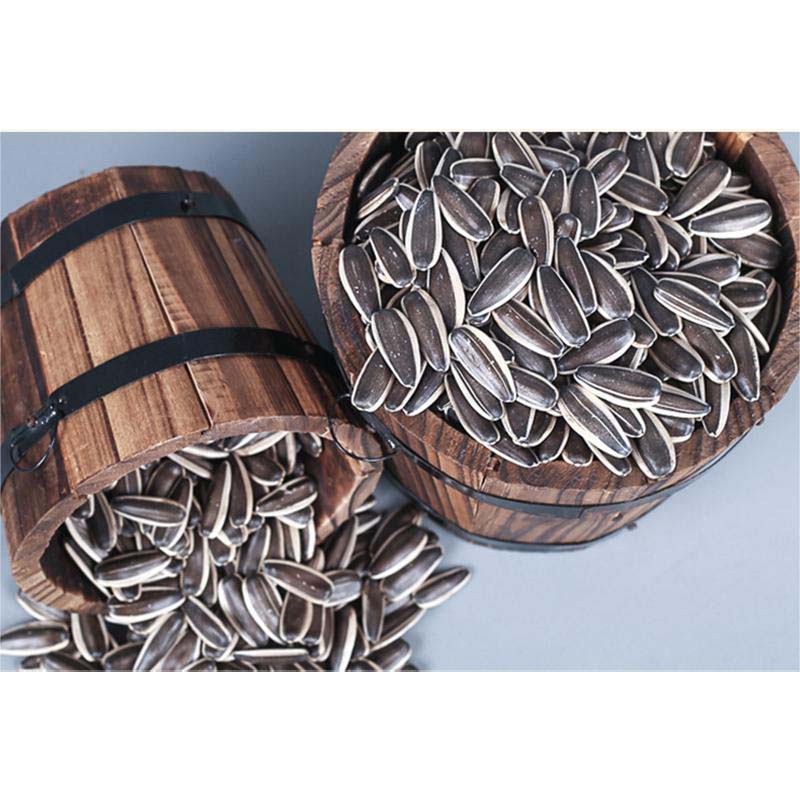
Pepper flavored sunflower seeds represent a significant segment within the broader snack food industry, requiring stringent quality control and consistent production parameters. This guide provides a comprehensive technical overview for suppliers, focusing on seed sourcing, flavoring processes, quality assurance, and shelf-life considerations. The product occupies a niche market demanding specific flavor profiles, seed characteristics (kernel size, oil content), and adherence to food safety regulations. Understanding the interplay between raw material variability, process engineering, and packaging technology is crucial for maintaining product integrity and meeting customer expectations. The core performance criteria center around consistent flavor delivery, acceptable moisture levels, minimal shell fragments, and extended shelf stability while resisting rancidity. This analysis aims to equip suppliers with the detailed knowledge necessary to optimize production processes and consistently deliver high-quality pepper flavored sunflower seeds.
Material Science & Manufacturing
The foundation of high-quality pepper flavored sunflower seeds lies in the selection and processing of raw sunflower seeds. Helianthus annuus, the common sunflower species, exhibits substantial genetic variation impacting oil content (36-58% dry weight), protein content (20-25%), and kernel size. Suppliers typically utilize oil-type sunflower seeds characterized by a high linoleic acid content, contributing to flavor retention. Manufacturing begins with seed dehulling, a mechanical process requiring precise calibration to minimize kernel damage. Subsequent cleaning and grading separate seeds based on size and density, removing foreign materials. The flavoring stage is critical. Typically, a dry blending method is employed, where finely ground pepper (varying species impacting Scoville Heat Units - SHU) and other seasoning components are uniformly coated onto the seeds using a tumbler or fluid bed coater. Precise control of coating weight (typically 2-5% by mass) and uniformity is paramount. Binder systems, often incorporating food-grade vegetable oils and maltodextrin, ensure adhesion. Roasting, usually at temperatures between 120-150°C for 15-30 minutes, develops the characteristic flavor and reduces moisture content to a target of approximately 2-4%. Post-roasting cooling must be rapid to prevent condensation. Chemical compatibility of coating ingredients with the seed oil is crucial to prevent flavor degradation and rancidity. Packaging material selection impacts oxygen permeability and moisture ingress, directly affecting shelf life.
Performance & Engineering
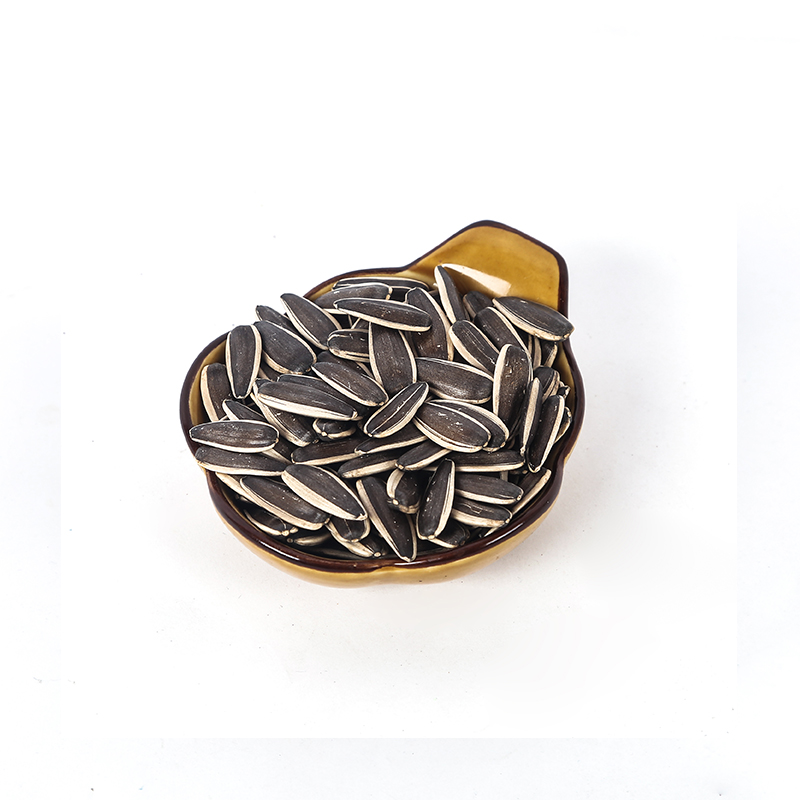
The performance of pepper flavored sunflower seeds is dictated by a complex interplay of physical and chemical factors. Shell strength and kernel integrity are crucial during processing; excessive force during dehulling leads to fragmentation and reduced visual appeal. Moisture content plays a pivotal role in shelf life. Water activity (Aw) must be maintained below 0.6 to inhibit microbial growth and enzymatic activity leading to rancidity. The flavor profile, determined by pepper variety and concentration, must be consistent batch-to-batch. Sensory analysis using trained panels is essential. Environmental resistance is primarily focused on maintaining flavor and texture under varying temperature and humidity conditions. Accelerated shelf-life testing (using Arrhenius equations to predict long-term stability) is employed to assess product performance. Compliance requirements include adherence to FDA regulations (USA), EFSA regulations (Europe), and relevant national food safety standards. Force analysis during the dehulling process is vital for optimizing machinery settings and minimizing kernel damage. The design of the coating process directly impacts flavor uniformity and adherence, requiring computational fluid dynamics (CFD) modeling to optimize air flow and coating distribution within the fluid bed coater. Packaging engineering must account for gas permeability, moisture barrier properties, and mechanical strength to prevent breakage and maintain product quality throughout the supply chain.
Technical Specifications
| Parameter | Unit | Specification | Test Method |
|---|---|---|---|
| Moisture Content | % | 2.0 – 4.0 | AOAC 925.10 |
| Oil Content | % | 48 – 55 | AOAC 920.85 |
| Pepper Coating Weight | % | 2.0 – 5.0 | Gravimetric Analysis |
| Shell Fragment Count | #/100g | < 5 | Visual Inspection |
| Water Activity (Aw) | - | < 0.6 | Water Activity Meter (e.g., Rotronic) |
| Peroxide Value (PV) | meq O2/kg | < 5 | AOCS Cd 8-53 |
Failure Mode & Maintenance
Pepper flavored sunflower seeds are susceptible to several failure modes. Rancidity, caused by lipid oxidation, is a primary concern, leading to off-flavors and odor. This is accelerated by exposure to oxygen, light, and elevated temperatures. Flavor degradation can occur due to volatile compound loss over time, particularly in improperly sealed packaging. Kernel cracking during processing or handling leads to visual defects and potential dust formation. Coating delamination results in uneven flavor distribution and reduced aesthetic appeal. Microbial contamination (molds, yeasts) can occur if moisture content is too high or packaging is compromised. Preventative maintenance on processing equipment (dehullers, roasters, coaters) is crucial. Regular cleaning prevents cross-contamination and ensures optimal performance. Temperature and humidity control within processing and storage areas is paramount. Packaging integrity checks (seal strength, gas permeability) are essential. Regular monitoring of peroxide value (PV) and free fatty acid (FFA) levels provides an early indication of rancidity. Proper storage conditions (cool, dry, dark) minimize degradation. Implementing a robust HACCP (Hazard Analysis and Critical Control Points) system is critical for preventing food safety hazards. Routine calibration of analytical instruments ensures accurate measurement of key parameters.
Industry FAQ
Q: What are the critical considerations when selecting a pepper variety for flavoring?
A: The choice of pepper variety significantly impacts the final flavor profile and Scoville Heat Unit (SHU) rating. Suppliers must consider the target market's preference for heat levels (mild, medium, hot). Capsaicinoid content varies considerably between varieties (e.g., Anaheim peppers are mild, while habaneros are extremely hot). Consistency in pepper sourcing is crucial to maintain batch-to-batch flavor uniformity. Furthermore, the pepper's volatile oil profile contributes to the overall aroma, impacting the sensory experience. Suppliers should conduct thorough sensory evaluations to determine the optimal pepper variety and concentration.
Q: How does the oil content of the sunflower seeds affect the adhesion of the pepper coating?
A: Higher oil content generally promotes better coating adhesion, as the oil acts as a natural binder. However, excessive oil content can lead to a greasy texture and potential rancidity. An optimal oil content range (48-55%) provides a balance between adhesion and stability. The type of oil (linoleic vs. oleic acid) also influences the coating’s stability. Seed surface morphology, influenced by processing, also plays a role. Suppliers often utilize a small percentage of a food-grade vegetable oil (e.g., sunflower oil) within the coating formulation to enhance adhesion and improve flavor distribution.
Q: What packaging materials are most suitable for maintaining the flavor and extending the shelf life of pepper flavored sunflower seeds?
A: Multi-layer films offering excellent barrier properties against oxygen, moisture, and light are recommended. Materials like metallized PET/PE or aluminum foil laminates provide superior protection. The oxygen transmission rate (OTR) should be < 1.0 cc/m²/day, and the water vapor transmission rate (WVTR) should be < 1.0 g/m²/day. Vacuum packaging or nitrogen flushing further reduces oxygen levels, enhancing shelf life. The packaging material must also be robust enough to withstand handling and prevent breakage during transit.
Q: What analytical methods are essential for quality control of the finished product?
A: Essential analytical methods include moisture content (AOAC 925.10), oil content (AOAC 920.85), water activity (Aw) measurement, peroxide value (AOCS Cd 8-53) to assess rancidity, shell fragment count (visual inspection), and sensory evaluation (flavor profile, aroma, texture). Regular monitoring of these parameters ensures consistent product quality and adherence to specifications. HPLC analysis can be used to quantify specific capsaicinoids in the pepper coating.
Q: How can suppliers mitigate the risk of aflatoxin contamination in sunflower seeds?
A: Aflatoxin contamination is a serious concern. Suppliers must source seeds from reputable growers with established quality control programs. Pre-harvest monitoring for fungal growth in sunflower fields is critical. Proper drying and storage of seeds are essential to prevent aflatoxin formation. Regular testing of raw materials and finished products for aflatoxin levels (using ELISA or HPLC methods) is mandatory. Adherence to regulatory limits (e.g., FDA guidance levels) is crucial. Implementing a HACCP plan with specific controls for aflatoxin is highly recommended.
Conclusion
The production of high-quality pepper flavored sunflower seeds demands meticulous attention to detail across the entire supply chain, from seed sourcing and processing to flavoring, packaging, and quality control. A deep understanding of material science, process engineering principles, and relevant food safety regulations is paramount for suppliers aiming to consistently deliver a superior product. Optimization of roasting parameters, coating uniformity, and packaging integrity are key drivers of product performance and shelf life.
Effective implementation of robust quality assurance programs, incorporating regular analytical testing and preventative maintenance, is essential for mitigating risks and ensuring product consistency. Continuous improvement efforts focused on optimizing process parameters and exploring innovative packaging solutions will enable suppliers to maintain a competitive edge in this dynamic market. Future trends include the development of lower-sodium formulations and the utilization of natural pepper extracts to enhance flavor complexity.
