Introduction
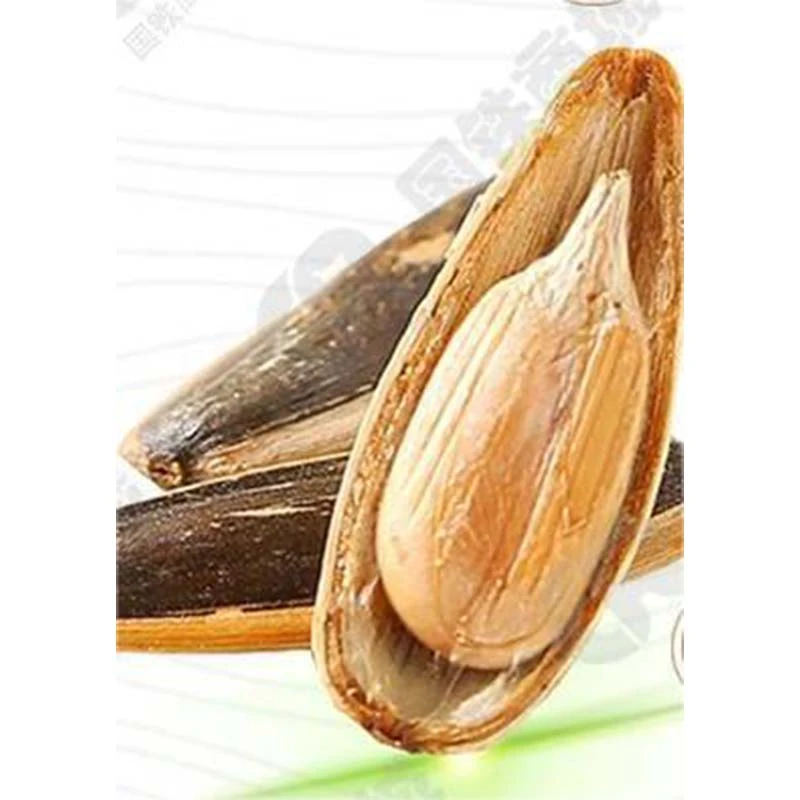
Pepper flavored sunflower seeds represent a significant segment within the broader snack food industry, functioning as a processed agricultural product positioned between primary agricultural output and direct consumer retail. The core function is providing a flavored, protein-rich snack. Technically, the process involves multiple stages: seed selection, cleaning, dehulling, roasting, flavor application (including pepper-based seasoning blends), and packaging. Critical performance characteristics encompass flavor intensity and consistency, seed integrity (minimizing broken or underdeveloped seeds), oil content and stability (preventing rancidity), and adherence to food safety regulations. A key industry pain point revolves around maintaining consistent flavor profiles across batches, coupled with achieving optimal shelf life and mitigating the risk of Salmonella contamination. The market demands both consistent quality and innovative flavor variations, requiring precise process control and robust quality assurance systems.
Material Science & Manufacturing
The primary raw material, sunflower seeds (Helianthus annuus), are comprised of approximately 35-50% oil, 20-25% protein, and 15-20% carbohydrate. Kernel hardness, influenced by genotype and growing conditions, impacts dehulling efficiency. The oil profile is dominated by linoleic acid, making it susceptible to oxidation. Pepper flavor is derived from Capsicum species, containing capsaicinoids (primarily capsaicin) which provide pungency. Manufacturing begins with seed cleaning, removing foreign material. Dehulling, typically mechanical, is critical; incomplete dehulling results in a bitter taste and lower product acceptability. Roasting (typically 120-180°C) develops flavor and reduces moisture content, impacting texture and shelf life. Flavor application utilizes a tumbling process with a slurry of seasoning ingredients (salt, pepper powders, spices, flavor enhancers, and anti-caking agents). Packaging employs multi-layer films—typically polypropylene or polyethylene blends—to provide a barrier against moisture, oxygen, and light. Critical parameters include roasting temperature and duration (affecting oil oxidation and acrylamide formation), seasoning adhesion uniformity, and packaging film permeability. Chemical compatibility between the seasoning components and the packaging material is crucial to prevent migration of undesirable compounds.
Performance & Engineering
Performance is assessed through several engineering disciplines. Structural analysis concerns seed integrity and resistance to breakage during processing and handling. Force analysis during dehulling optimizes mechanical parameters to minimize kernel damage. Environmental resistance focuses on shelf life, specifically evaluating the rate of oxidation (measured by peroxide value) and moisture gain (water activity). Compliance requirements are dictated by food safety regulations (FDA, EFSA), including limits on heavy metal content (lead, cadmium), pesticide residues, and microbial contamination. Flavor delivery relies on the dispersion of capsaicinoids. Engineering considerations include particle size distribution of pepper powders (affecting perceived heat and evenness of flavor), adhesion strength of the seasoning blend, and the impact of roasting on volatile aroma compounds. A critical challenge is mitigating the Maillard reaction during roasting, as excessive browning can lead to undesirable flavors. Furthermore, packaging design influences oxygen transmission rate (OTR) and water vapor transmission rate (WVTR), impacting rancidity and texture.
Technical Specifications
| Parameter | Unit | Specification | Test Method |
|---|---|---|---|
| Moisture Content | % w/w | ≤ 6.0 | AOAC 925.10 |
| Oil Content | % w/w | 48 – 55 | AOAC 920.85 |
| Broken Kernel Rate | % w/w | ≤ 5.0 | Visual Inspection |
| Peroxide Value (PV) | meq O2/kg | ≤ 5.0 | AOCS Cd 8-53 |
| Capsaicinoid Content (Scoville Heat Units - SHU) | SHU | 1,000 – 5,000 (adjustable) | HPLC-DAD |
| Water Activity (Aw) | - | ≤ 0.65 | Water Activity Meter |
Failure Mode & Maintenance
Common failure modes include rancidity due to lipid oxidation (manifested by off-flavors), flavor degradation (loss of pepper intensity over time), seed shattering (increased broken kernel rate during handling), and packaging failures (seal integrity breaches leading to moisture ingress). Rancidity is accelerated by high temperatures, oxygen exposure, and the presence of metal ions. Flavor degradation stems from the volatility of aroma compounds and capsaicinoid degradation. Seed shattering is often caused by excessive mechanical stress during processing or handling. Maintenance primarily focuses on equipment sanitation (preventing microbial contamination, especially Salmonella), calibration of roasting and seasoning equipment (ensuring consistent parameters), and proper storage of raw materials and finished products (controlled temperature and humidity). Preventative maintenance schedules for dehulling and roasting equipment are essential. Regular monitoring of peroxide values and water activity provides early warning of potential quality issues. Packaging integrity testing (seal strength, OTR/WVTR) should be performed routinely.
Industry FAQ
Q: What is the impact of sunflower seed variety on the final product's flavor and texture?
A: Sunflower seed variety significantly impacts the oil content, kernel hardness, and overall flavor profile. High-oleic varieties offer improved oxidative stability, extending shelf life. Kernel hardness affects dehulling efficiency and the final texture; harder kernels result in a more robust, crunchy product. Specific genetic traits influence the natural flavor compounds present in the seed, subtly affecting the finished product even before seasoning is applied.
Q: How do you control the heat level (Scoville units) in the pepper flavored seeds?
A: Heat level is primarily controlled by adjusting the proportion of chili powder or capsaicin extract in the seasoning blend. We utilize HPLC-DAD analysis to accurately quantify capsaicinoid content and ensure consistency. The type of pepper used (e.g., cayenne, habanero) also influences the heat profile, offering different flavor nuances alongside the pungency. Particle size of the pepper powder is also managed to optimize flavor distribution.
Q: What are the key challenges in maintaining a consistent flavor profile across large production runs?
A: Ensuring consistent flavor is a primary challenge. Variations in raw material quality (pepper powder potency, seed oil profile), fluctuations in roasting temperature, and uneven seasoning distribution contribute to inconsistencies. We employ statistical process control (SPC) to monitor critical parameters and adjust settings in real-time. Precise weighing and mixing of seasoning ingredients and robust quality control checks at each stage are crucial.
Q: How do you prevent oxidation and extend the shelf life of the product?
A: We employ a multi-pronged approach. Utilizing high-oleic sunflower seeds minimizes the susceptibility to oxidation. Nitrogen flushing of packaging reduces oxygen levels. Employing multi-layer packaging films with low OTR effectively creates a barrier against oxygen ingress. Antioxidants (e.g., tocopherols) may be added to the seasoning blend. Strict control of roasting parameters (temperature and duration) minimizes the formation of oxidation precursors.
Q: What are the food safety considerations specific to sunflower seed processing?
A: Salmonella contamination is a primary concern. Rigorous seed sourcing and supplier qualification programs are essential. Thorough cleaning and sanitation of all equipment are critical. Regular microbial testing of raw materials and finished products is performed. Proper heat treatment during roasting is a kill step for Salmonella. HACCP (Hazard Analysis and Critical Control Points) principles are implemented throughout the entire production process.
Conclusion
Pepper flavored sunflower seeds represent a complex interplay of agricultural science, food chemistry, and process engineering. Achieving a consistently high-quality product requires meticulous control over raw material selection, manufacturing parameters, and packaging. The challenges center around maintaining flavor integrity, preventing lipid oxidation, and ensuring food safety. Successful producers prioritize robust quality assurance systems, statistical process control, and adherence to stringent food safety standards.
Future developments will likely focus on optimizing flavor encapsulation techniques to enhance flavor retention and slow down degradation, exploring novel packaging materials with improved barrier properties, and utilizing advanced analytical methods for real-time monitoring of quality attributes. Consumer demand for natural and clean-label ingredients will also drive innovation in seasoning formulations and processing techniques.
