Introduction
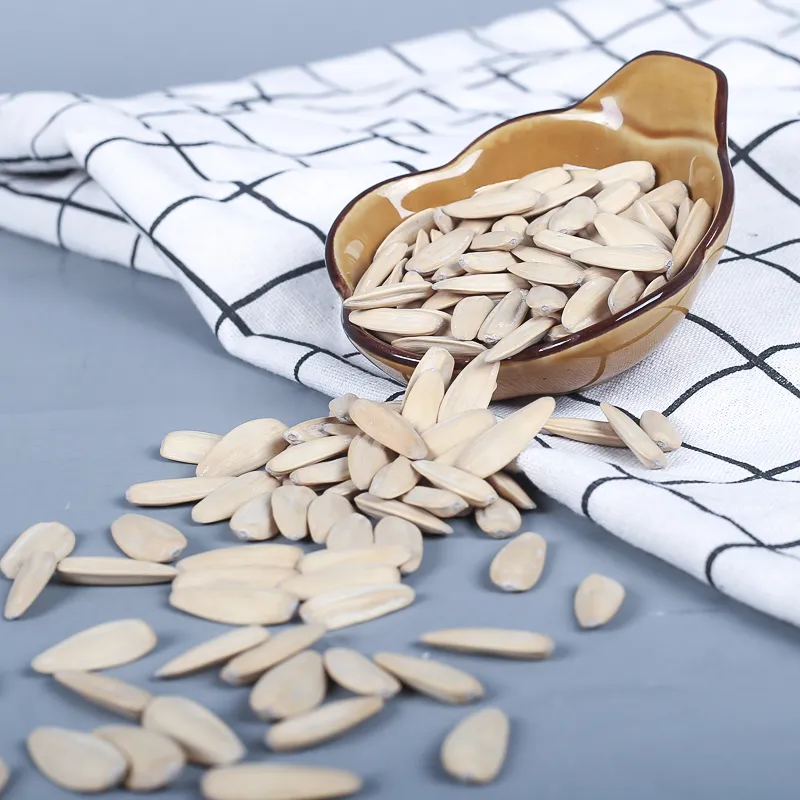
Pepper flavored sunflower seeds represent a processed snack food positioned within the broader confectionary and savory snack food industries. Technically, they are a finished product resulting from the dehulling, roasting, flavoring, and packaging of sunflower seeds ( Helianthus annuus). Their industrial significance lies in their high production volume, relatively low cost of raw materials, and extended shelf life, making them a widely accessible consumer product. Core performance characteristics center around seed integrity (minimizing broken kernels), flavor adherence and consistency, low moisture content for shelf stability, and adherence to food safety regulations. The key differentiator between producers is the precision of flavor application, the quality of the sunflower seed source (oleic vs. linoleic acid content impacting oxidative stability), and the effectiveness of packaging to maintain freshness and prevent flavor degradation. This guide provides a comprehensive technical overview of pepper flavored sunflower seed production, covering material science, manufacturing processes, performance parameters, failure modes, and relevant industry standards.
Material Science & Manufacturing
The primary raw material is sunflower seeds. Seed composition varies based on cultivar, growing conditions, and intended oil content. Key constituents include approximately 20-40% oil (primarily linoleic and oleic acids), 20-30% protein, 15-25% carbohydrate (primarily cellulose and hemicellulose in the hull), and 5-10% moisture. Pepper flavoring is typically composed of oleoresin paprika (capsaicinoid source), salt (NaCl), sugar (sucrose or dextrose), spice extracts, and potentially anti-caking agents (silicon dioxide). Manufacturing begins with seed cleaning and dehulling, utilizing mechanical abrasion and air separation to remove the hulls. Following dehulling, seeds are typically sorted by size and density. Roasting is a critical step, performed in rotary or fluid bed roasters at temperatures ranging from 120-160°C, reducing moisture content to 2-4% and developing characteristic flavor. Precise temperature and time control are vital to prevent scorching and lipid oxidation. Flavor application is usually achieved through a tumbling process where seeds are sprayed with a concentrated flavor slurry. The slurry’s viscosity, spray nozzle design, and tumbling speed significantly affect coating uniformity and adherence. Post-flavoring, seeds undergo cooling and are packaged in flexible films (typically multi-layer structures involving polyethylene, polypropylene, and metallized layers for moisture and oxygen barrier properties). Key parameter control includes monitoring seed moisture content throughout the process, ensuring consistent roasting temperatures, maintaining precise flavor slurry concentrations, and verifying packaging seal integrity. Chemical compatibility between the flavoring agents and the seed oil is essential to prevent flavor migration or rancidity.

Performance & Engineering
Performance characteristics are assessed through several engineering analyses. The shear force required to crack a seed kernel is an indicator of roasting effectiveness – optimal roasting yields a brittle kernel. Flavor adherence is evaluated using a solvent extraction method, quantifying the amount of pepper flavoring retained on the seed surface after tumbling and abrasion. Moisture content is critically monitored throughout the process and final product, directly impacting shelf life; water activity (Aw) must be below 0.6 to inhibit microbial growth and lipid oxidation. Environmental resistance considerations include exposure to light (leading to oxidation of unsaturated fatty acids and flavor degradation), temperature fluctuations (affecting packaging integrity and moisture migration), and humidity (promoting caking and flavor loss). Compliance requirements necessitate adherence to food safety standards like HACCP (Hazard Analysis and Critical Control Points) and GMP (Good Manufacturing Practices). Packaging design must consider oxygen transmission rate (OTR) and water vapor transmission rate (WVTR) to maintain product quality. Furthermore, the container must withstand the rigors of transport and handling without compromising product integrity. Force analysis of the packaging material is crucial to determine its resistance to compression, puncture, and tearing.
Technical Specifications
| Parameter | Unit | Specification | Test Method |
|---|---|---|---|
| Moisture Content | % (w/w) | ≤ 4.0 | AOAC Official Method 925.10 |
| Oil Content | % (w/w) | 20 - 40 | Soxhlet Extraction (AOAC 920.39) |
| Pepper Flavor Adherence | mg/100g seed | ≥ 1.5 | Solvent Extraction (Ethanol) & GC-MS |
| Seed Integrity (Broken Kernels) | % (by weight) | ≤ 5.0 | Visual Inspection & Sieving |
| Water Activity (Aw) | - | ≤ 0.6 | Water Activity Meter |
| Packaging OTR | cc/m²/day | ≤ 10 | ASTM D3985 |
Failure Mode & Maintenance
Common failure modes include rancidity (oxidative degradation of unsaturated fatty acids, leading to off-flavors), flavor loss (due to permeation through packaging or volatilization), seed cracking (resulting from excessive moisture or impact during handling), and microbial contamination (if moisture content is too high or packaging is compromised). Rancidity is accelerated by light, heat, and oxygen exposure. Flavor loss can be minimized by utilizing high-barrier packaging materials. Seed cracking can be mitigated by careful handling and moisture control. Microbial contamination necessitates strict adherence to hygiene standards throughout the production process. Preventative maintenance of roasting and flavoring equipment is crucial to ensure consistent processing parameters. This includes regular cleaning, lubrication, and inspection of heating elements and spray nozzles. Packaging equipment should be regularly inspected for seal integrity and proper operation. Long-term storage requires cool, dry conditions and protection from light. Periodic quality control checks, including moisture content analysis, flavor assessment, and microbial testing, are essential to identify and address potential issues before they impact product quality and safety. Failure analysis should include root cause identification – whether due to equipment malfunction, process deviation, or material quality issues.
Industry FAQ
Q: What is the impact of sunflower oil type (oleic vs. linoleic) on product shelf life?
A: Oleic sunflower seeds contain a higher percentage of oleic acid, a monounsaturated fatty acid, which is more resistant to oxidation compared to linoleic acid, a polyunsaturated fatty acid prevalent in linoleic sunflower seeds. Products made with oleic seeds exhibit significantly longer shelf life and reduced rancidity, particularly under similar storage conditions.
Q: How can we optimize the flavor coating process to minimize flavor dusting in the packaging?
A: Optimizing the flavor coating involves several factors. Firstly, controlling the viscosity of the flavor slurry is critical – too thin, and it will result in uneven coating and dusting; too thick, and it won’t adhere properly. Secondly, adjusting the tumbling speed and spray nozzle configuration can improve coating uniformity. Thirdly, incorporating a small amount of a binding agent (e.g., maltodextrin) into the slurry can enhance adhesion and reduce dusting. Finally, allowing sufficient drying time before packaging is essential.
Q: What packaging materials offer the best barrier properties for maintaining pepper flavor intensity?
A: Multi-layer films incorporating a metallized layer (e.g., aluminum foil) provide the best barrier against oxygen and moisture, crucial for preserving volatile pepper flavor compounds. Polypropylene (PP) or polyethylene (PE) layers provide structural integrity. The choice of sealant layer needs to be compatible with the film structure and provide a hermetic seal.
Q: What are the critical control points in the manufacturing process from a food safety perspective?
A: Critical control points include seed cleaning (removal of foreign materials), roasting (sufficient heat treatment to reduce microbial load), flavor application (ensuring sanitary conditions), and packaging (maintaining seal integrity). Regular monitoring of moisture content, temperature, and sanitation practices is vital. HACCP principles should be implemented throughout the process.
Q: How do you quantify the ‘heat level’ of the pepper flavoring applied to the seeds?
A: The ‘heat level’ is typically quantified by measuring the concentration of capsaicinoids, the active compounds responsible for the pungency in peppers, using High-Performance Liquid Chromatography (HPLC). Scoville Heat Units (SHU) are then calculated based on the capsaicinoid concentration to provide a standardized measure of spiciness. Sensory panel testing is also used to correlate SHU values with perceived heat levels.
Conclusion
Pepper flavored sunflower seeds, while seemingly simple, represent a complex interplay of material science, engineering, and food safety principles. The quality of the final product hinges on meticulous control of each stage of the manufacturing process, from seed selection and roasting to flavor application and packaging. Maintaining optimal moisture content, ensuring flavor adherence, and utilizing appropriate barrier packaging are critical for maximizing shelf life and preserving sensory attributes.
Future developments may focus on optimizing roasting processes to minimize acrylamide formation, exploring novel flavor encapsulation techniques to enhance flavor longevity, and developing sustainable packaging solutions with improved barrier properties. A continued emphasis on rigorous quality control and adherence to evolving food safety regulations will be essential for maintaining consumer trust and ensuring the long-term success of this popular snack food.
