Introduction
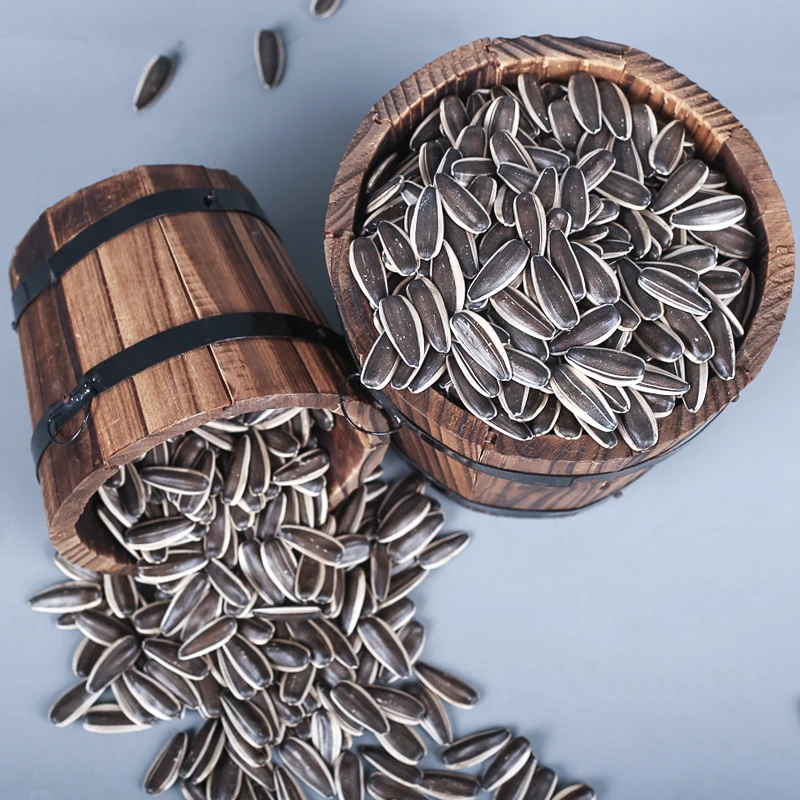
Pepper-flavored sunflower seed production represents a significant segment within the broader snack food manufacturing industry. These facilities are characterized by a complex interplay of agricultural sourcing, seed processing, flavoring application, packaging, and stringent quality control. The industry chain begins with sunflower seed cultivation, typically Helianthus annuus, focusing on varieties with optimal kernel size and oil content. These seeds undergo cleaning, dehulling, grading, and drying before reaching the flavoring stage. The core performance attributes defining the success of these factories revolve around maintaining seed integrity (minimizing broken kernels), consistent flavor distribution, optimized shelf life, and adherence to food safety regulations. The critical pain point for producers is achieving uniform pepper flavoring without compromising seed texture or introducing off-flavors due to oxidation or ingredient degradation. Furthermore, consistency in batch-to-batch flavor profiles, a crucial component of brand loyalty, presents a substantial engineering and quality control challenge.
Material Science & Manufacturing
The primary raw material, sunflower seeds, exhibit a complex composition. Kernels consist of approximately 50-60% oil (primarily linoleic acid), 20-30% protein, and 10-20% carbohydrates. The shell, composed largely of cellulose and lignin, requires efficient removal without damaging the kernel. Pepper flavoring systems typically involve a blend of ground chili peppers (ranging in Scoville Heat Units based on target pungency), salt (NaCl), sugar (sucrose), flavor enhancers (monosodium glutamate – MSG), and potentially anti-caking agents (silicon dioxide). Manufacturing begins with seed intake and cleaning, utilizing screens and air classification to remove foreign matter. Dehulling is critical, often employing mechanical abrasion or impact methods. The parameters of dehulling – impact velocity, abrasion surface texture, and feed rate – directly influence kernel damage. Drying is conducted to reduce moisture content to ~8-10% using fluidized bed dryers, controlled by temperature (60-80°C) and airflow to prevent rancidity. The flavoring process typically employs a tumbling or rotating drum where seeds are coated with a slurry of pepper seasoning. Critical control parameters include slurry viscosity, drum speed, coating duration, and spray nozzle size (if liquid flavoring components are used). Maintaining a uniform coating requires precise control of these variables to prevent clumping or uneven distribution. Packaging materials, typically multi-layer films (PET/PE or OPP/PE), are selected for barrier properties against oxygen and moisture.
Performance & Engineering
The structural integrity of the sunflower seed kernel is paramount. Force analysis during dehulling and handling reveals that kernels are susceptible to cracking under tensile stress. Engineering considerations focus on minimizing these stresses through optimized equipment design and operational parameters. Environmental resistance concerns center around moisture ingress and oxygen permeation, leading to rancidity and flavor degradation. Packaging materials must exhibit low Oxygen Transmission Rate (OTR) and Water Vapor Transmission Rate (WVTR) to maintain product quality. Compliance requirements are substantial, encompassing food safety standards like HACCP (Hazard Analysis and Critical Control Points) and regulatory adherence to FDA (Food and Drug Administration) guidelines in the US or EFSA (European Food Safety Authority) regulations in Europe. Specific engineering challenges include achieving consistent flavor adhesion. The surface texture of the seed kernel influences coating uniformity. Controlling electrostatic charge buildup during tumbling is essential to prevent seasoning from adhering to the drum walls instead of the seeds. Process control instrumentation – including temperature sensors, humidity monitors, and in-line color sensors – are deployed to ensure consistent product quality and detect deviations from target specifications. Dust control systems are crucial to mitigate combustible dust hazards associated with fine seasoning particles.
Technical Specifications
| Parameter | Unit | Specification | Test Method |
|---|---|---|---|
| Seed Kernel Moisture Content | % | 8.0 – 10.0 | Oven Drying (AOAC 925.10) |
| Broken Kernel Rate | % | < 5 | Visual Inspection & Sieve Analysis |
| Pepper Flavor Intensity (Scoville Heat Units) | SHU | 500 – 2000 (adjustable) | HPLC Analysis |
| Salt Content | % | 1.5 – 2.5 | Argentometric Titration |
| Oil Content | % | 48 – 55 | Soxhlet Extraction (AOAC 920.39) |
| Packaging OTR | cc/m²/day | < 10 | ASTM D3985 |
Failure Mode & Maintenance
Common failure modes in pepper-flavored sunflower seed production include: Rancidity: Oxidation of unsaturated fatty acids leading to off-flavors. Mitigation involves using nitrogen flushing during packaging, antioxidant additives (e.g., Vitamin E), and controlling storage temperature. Flavor Degradation: Loss of pepper flavor intensity over time, attributable to volatile compound evaporation or chemical reactions. Optimizing packaging barrier properties and storage conditions are key. Kernel Damage: Cracking or chipping of kernels during processing, reducing product appeal. This necessitates careful equipment calibration and gentle handling. Uneven Coating: Inconsistent flavor distribution due to improper seasoning application. Control of slurry viscosity and drum speed is essential. Microbial Contamination: Growth of molds or bacteria due to inadequate sanitation. Strict adherence to HACCP principles and regular sanitation protocols are crucial. Preventative maintenance on equipment includes regular bearing lubrication, conveyor belt inspection/replacement, dryer filter cleaning, and calibration of weighing and dispensing systems. Regular inspection of packaging seals is necessary to ensure barrier integrity. A robust cleaning schedule, employing food-grade sanitizers, is essential to prevent microbial growth.
Industry FAQ
Q: What are the primary causes of flavor inconsistency between production batches?
A: Flavor inconsistency typically stems from variations in raw material quality (pepper potency, seed oil content), fluctuations in seasoning application parameters (slurry viscosity, drum speed), or inconsistencies in drying processes impacting moisture levels. Implementing rigorous raw material acceptance criteria and employing closed-loop control systems for seasoning application can significantly mitigate these issues.
Q: How can we minimize kernel breakage during the dehulling process?
A: Optimizing the dehulling parameters – impact velocity, abrasion surface texture, and feed rate – is critical. Lowering the impact velocity, using a more compliant abrasion surface, and controlling the seed flow rate can reduce kernel damage. Regular inspection and maintenance of dehulling equipment are also essential.
Q: What packaging materials offer the best barrier properties for extending shelf life?
A: Multi-layer films incorporating EVOH (ethylene vinyl alcohol) or metallized PET provide superior barrier properties against oxygen and moisture. The specific material selection depends on the target shelf life and storage conditions. Sealing integrity is also paramount.
Q: What are the key considerations for ensuring food safety in sunflower seed processing?
A: Implementing a comprehensive HACCP plan, adhering to Good Manufacturing Practices (GMPs), and maintaining strict sanitation protocols are fundamental. Regular allergen control measures, pest control programs, and traceability systems are also essential components of a robust food safety program.
Q: How do we effectively control dust accumulation during seasoning application and what are the associated safety risks?
A: Employing dust collection systems (e.g., baghouses, cyclones) is crucial to remove airborne seasoning particles. Regular cleaning of processing equipment and surrounding areas is also essential. Accumulated dust poses a significant combustible dust hazard, potentially leading to explosions. Implementing proper grounding and bonding procedures and adhering to NFPA 68 standards are critical safety measures.
Conclusion
The production of pepper-flavored sunflower seeds is a sophisticated process demanding meticulous control over material science, manufacturing parameters, and quality assurance protocols. Maintaining seed integrity, achieving consistent flavor profiles, and ensuring product safety are paramount. Successfully navigating these challenges requires a holistic approach encompassing optimized equipment design, precise process control, and adherence to stringent industry standards.
Future advancements in this sector will likely focus on innovative coating technologies for improved flavor adhesion, sustainable packaging materials with enhanced barrier properties, and real-time process monitoring systems powered by artificial intelligence for predictive quality control. Continued investment in research and development will be crucial for enhancing efficiency, minimizing waste, and meeting evolving consumer demands.
